
Clutter can accumulate in various forms, from old furniture to piles of electronic gadgets collecting dust. Understanding the types of items for junk removal is the first step towards a clutter-free space. Here's a comprehensive guide to help you identify and tackle different categories of junk effectively:
1. Old Furniture:
Old sofas, chairs, tables, and cabinets that are worn-out, broken, or simply outdated often take up significant space in homes. Assess these items to determine if they can be repaired, repurposed, or if it's time to bid them farewell.
2. Electronic Waste (E-waste):
Obsolete gadgets like outdated computers, printers, and malfunctioning appliances contribute significantly to electronic waste. Given their components, they need specialized disposal methods to prevent environmental harm.
3. Appliances:
From refrigerators to microwaves, appliances have a limited lifespan. When they cease to function efficiently or break down frequently, it might be time to consider removing them. Proper disposal ensures hazardous components are handled safely.
4. Clothing and Textiles:
Worn-out clothes, torn linens, and old curtains often get overlooked as clutter accumulates. Consider donating gently used items and recycling unusable ones to reduce textile waste.
5. Miscellaneous Items:
This category includes a wide range of items like old books, toys, papers, and random knick-knacks. Sorting through these miscellaneous items can significantly declutter your space when done systematically.
6. Construction Debris:
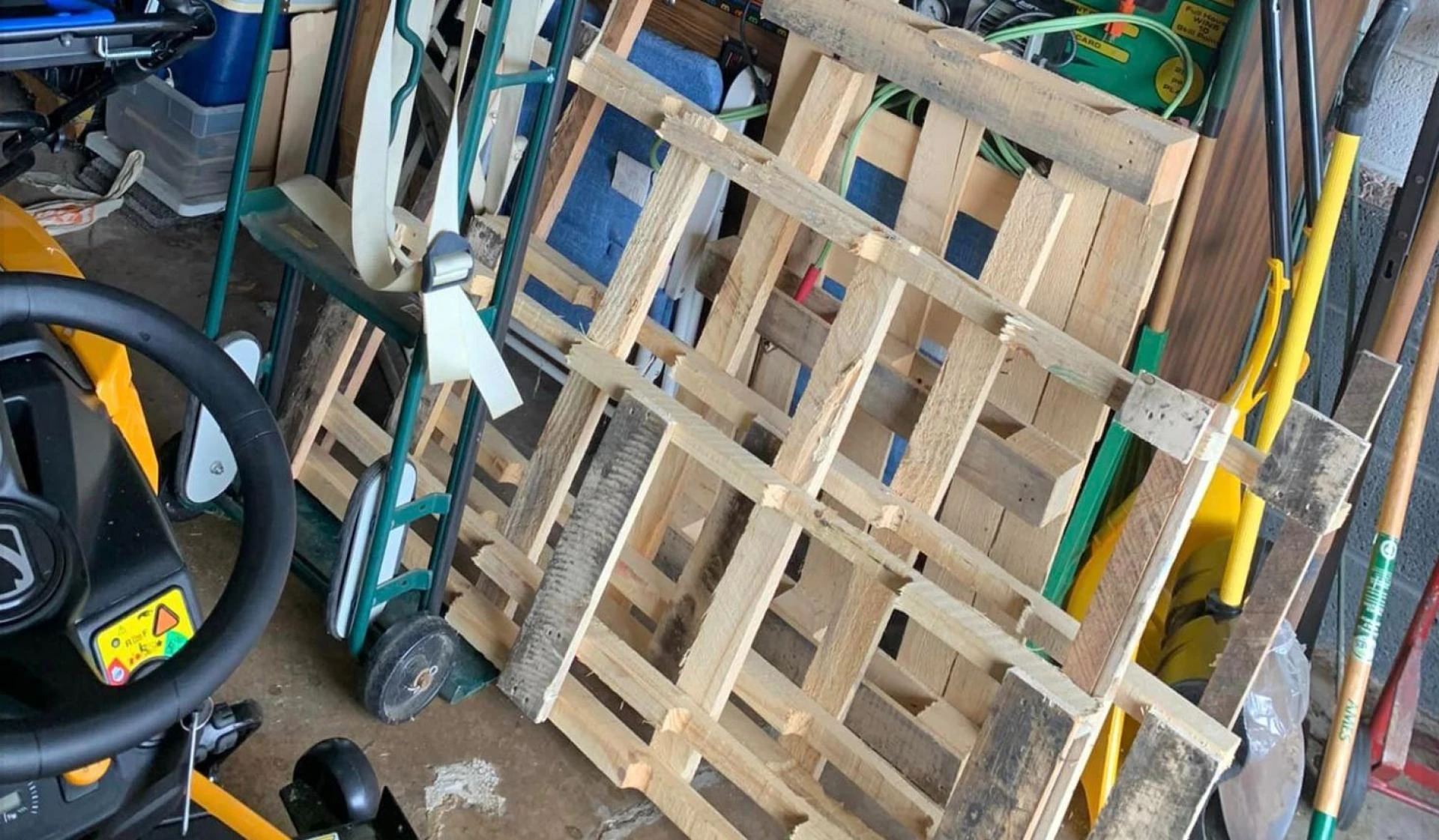
After a renovation or DIY project, debris like old tiles, wood scraps, or broken fixtures may linger around. Proper disposal of these materials is essential for safety and cleanliness.
Tips for Managing Different Types of Junk:
Categorize and Prioritize: Sort items into categories based on their type and condition. Prioritize removal based on urgency and space they occupy.
Consider Reuse and Recycling: Explore options for items that can be reused, repurposed, or recycled to minimize waste.
Consult Professionals for Specialized Items: Seek advice or assistance for the disposal of hazardous materials like electronic waste or construction debris.
Understanding the types of junk in your space empowers you to make informed decisions about what stays and what goes. By categorizing, prioritizing, and responsibly disposing of various types of junk, you're not just decluttering your space; you're contributing positively to waste reduction and environmental sustainability.



















Sign in to leave a comment.