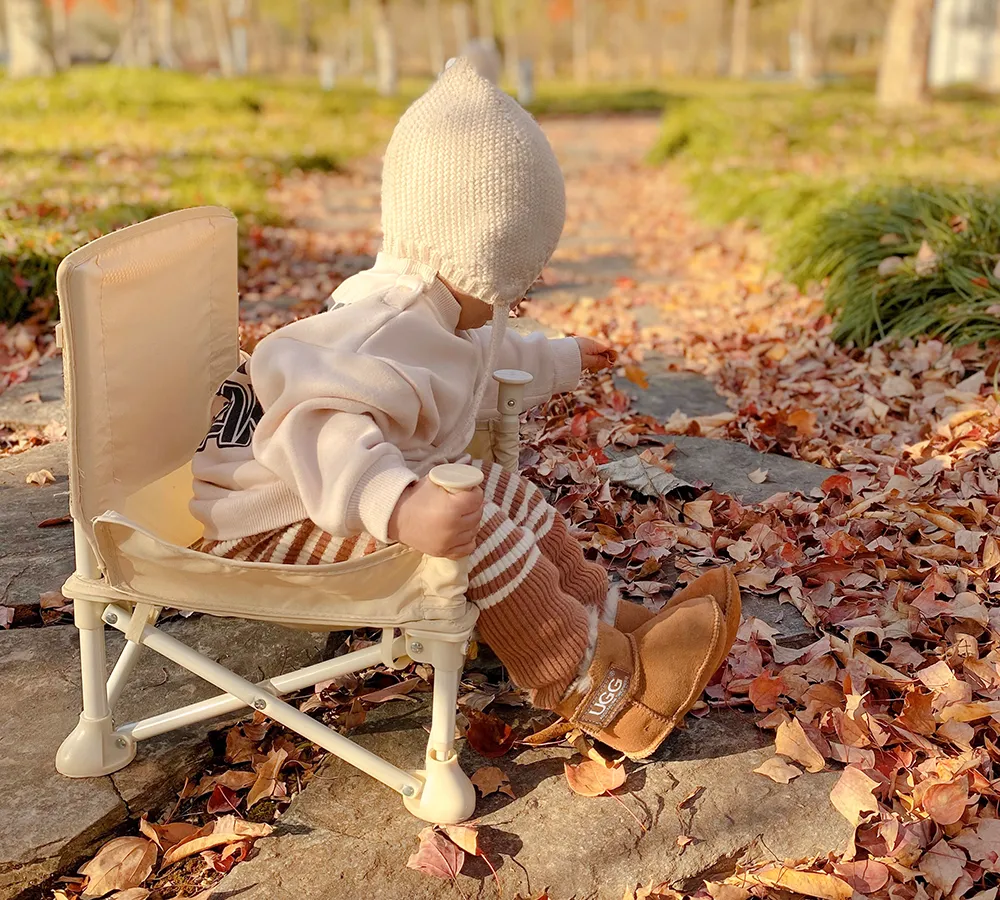

Kids' UGG boots come with a specific set of considerations that adult buying doesn't. Children's feet grow faster than most parents anticipate, sheepskin fits differently from regular shoes, and getting the size wrong — in either direction — affects both comfort and how long the boots last before they're outgrown.
Here's what to know before you buy, and how to manage sizing as your child grows.
How Kids' UGG Boots Fit Differently
Sheepskin boots don't fit like sneakers or school shoes. The wool lining is what makes them warm and soft, but it also means the boot feels snugger initially than a regular shoe of the same size. That snugness is normal and expected — the wool compresses and conforms to the shape of the foot over the first few wears, after which the boot feels considerably more relaxed.
This means buying kids' UGGs slightly large — as you might with school shoes to allow for growth — doesn't work as reliably as it does with regular footwear. A boot that's too large won't compress to the right fit and will remain loose and unsupportive, which affects how children walk and how quickly the boot loses its shape.
The right fit is one where the child's toes reach close to but not pressing against the end of the boot, with the heel sitting snugly without slipping. Once the wool has compressed after a week or two of wear, there will be slightly more room, which is the correct wearing fit.
What to Look for When Buying
Sole construction. Children are harder on footwear than adults, and the sole takes most of that wear. Look for a durable rubber or EVA sole with adequate grip — not just a flat suede outsole, which is fine for indoor slippers but won't hold up to outdoor wear on pavement, grass, or school grounds. A slip-resistant tread is particularly important for younger children still developing their balance and gait.
Heel and ankle support. Classic flat-soled UGG boots offer minimal arch and ankle support, which is fine for casual indoor use and short-wear occasions. If your child will be wearing their UGGs for extended outdoor periods or as everyday footwear, look for a style with a slightly more structured sole and reasonable ankle enclosure. Tall UGG boots that come higher on the ankle offer more support than mini or short styles for active wear.
Ease of entry. Young children — particularly those who dress themselves — do better with boots they can get on and off independently. Look for styles with a slight pull-on ease or a back loop rather than a fitted shaft that requires adult assistance every time.
Lining quality. The wool lining in kids' boots goes through considerably more than adult versions — sweaty feet, wet grass, puddles. A dense, well-attached lining holds up better than a thin one. Look for products specifying genuine sheepskin or Australian wool lining rather than synthetic fleece alternatives, which tend to mat and harden faster under heavy use.
How Quickly Do Kids' Feet Grow?
This varies by age, but a general guide:
- Under 3 years: Feet can grow a full size or more every three to four months. At this age, buying UGG boots as long-season footwear doesn't make practical sense — they're better suited as occasion or short-term wear, or as a gift item where the family understands rapid sizing is expected.
- 3 to 6 years: Growth slows slightly but is still significant — typically one to two sizes per year. A pair bought at the start of autumn may fit through winter but feel tight by late spring.
- 6 to 10 years: Growth is more predictable — approximately one size per year on average, though growth spurts can accelerate this. This age range tends to get the best value from a single pair across a full season.
- 10 years and over: Growth slows toward adult rates. By the time children are wearing adult sizes, the same buying considerations as grown-up UGGs apply.
When to Buy the Next Size
The clearest signs a child has outgrown their UGG boots:
Toes pressing against the end of the boot. Check by pressing your thumb against the toe of the boot while the child is standing — there should be a small amount of space between the end of their longest toe and the boot tip. If there isn't, it's time to size up.
The boot shaft sitting lower than intended. As children grow, taller boots that once reached mid-calf will sit lower on the leg. If a short boot is now barely clearing the ankle, the foot has grown beyond the boot's designed fit zone.
The sole wearing unevenly. Rapid or uneven sole wear can indicate the foot is no longer properly supported within the boot — a sign the fit is no longer correct.
The end of winter is a natural point to assess fit before storing. If the boots are borderline, they're unlikely to fit the following season and it's worth noting the size needed for next year's purchase rather than assuming they'll still work.
A Practical Note on Gifting Kids' UGGs
If you're buying UGG boots as a gift for a child you don't see regularly, it's worth confirming the current shoe size with the parent rather than estimating by age. Children's shoe sizes vary considerably at any given age, and a boot that's significantly too large won't compress to a good fit regardless of how warm and soft the sheepskin is.
When in doubt, size up by half a size rather than a full size — that gives the most realistic chance of a good fit after the wool compresses.
UGG Express stocks a full range of kids' UGG boots including sheepskin boots, slippers, and casual shoes, with a size guide available to help find the right fit.




















Sign in to leave a comment.