
When it comes to capturing the attention of potential customers and driving conversions, few elements are as crucial as a well-designed landing page. A landing page is often the first touchpoint between your business and prospective clients, making it a prime opportunity to leave a lasting impression. By incorporating best practices in user interface (UI) and user experience (UX) design, you can create landing pages that not only captivate visitors but also guide them seamlessly through the conversion funnel.
1. Clarity and Focus
One of the fundamental principles of effective landing page design is clarity and focus. Your landing page should have a single, well-defined objective, whether it's generating leads, selling a product, or promoting a service. Cluttering the page with too many elements or mixed messages can confuse visitors and undermine the conversion rate.
To achieve clarity, ensure that your value proposition is prominently displayed and easily understood. Use concise and compelling headlines, supported by clear and persuasive copy that resonates with your target audience. Keep the design clean and minimalistic, allowing the key elements to take center stage.
2. Intuitive Navigation and User Flow
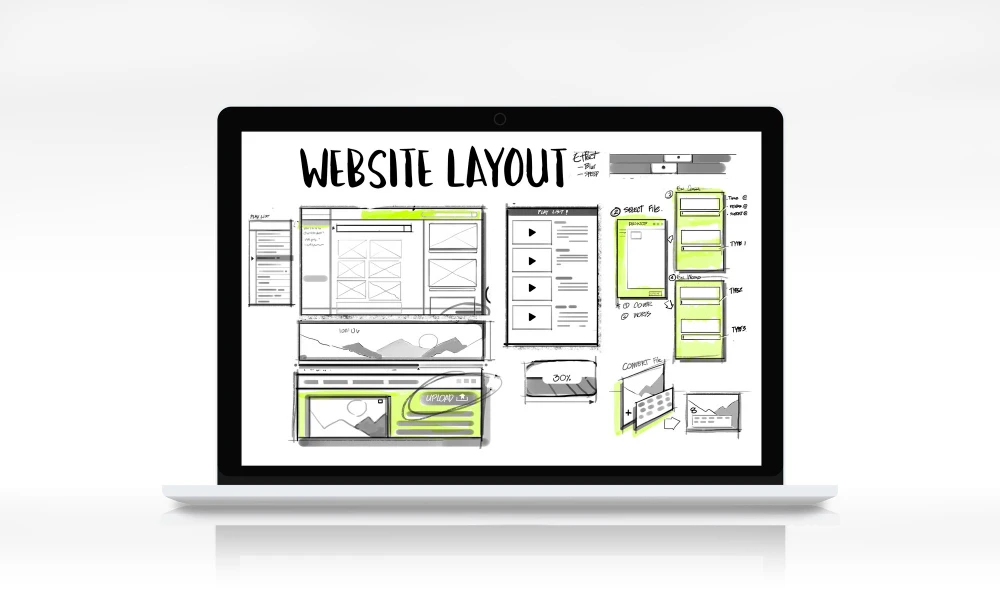
A smooth and intuitive user flow is essential for guiding visitors through the desired actions on your landing page. Well-designed navigation and layout can significantly improve the user experience and increase the likelihood of conversions.
Start by identifying the primary desired action, such as filling out a form or clicking a "Buy Now" button. Then, strategically place this call-to-action (CTA) in a prominent and easily accessible location. Use visual cues, such as contrasting colors, whitespace, and directional elements, to draw the visitor's attention to the CTA.
Additionally, consider implementing techniques like progressive disclosure, which reveals information gradually as the user interacts with the page. This approach can help streamline the user experience and prevent overwhelming visitors with too much information upfront.
3. Compelling Visual Design
In the digital age, where attention spans are short and competition is fierce, visually appealing design is paramount. Leverage the power of high-quality images, videos, and graphics to captivate visitors and effectively communicate your message.
Choose visuals that are relevant, engaging, and aligned with your brand identity. Incorporate color schemes that evoke the desired emotions and complement your product or service offerings. Additionally, ensure that your visuals are optimized for various devices and screen sizes, as more and more users access websites from mobile devices.
4. Seamless Cross-Device Experience
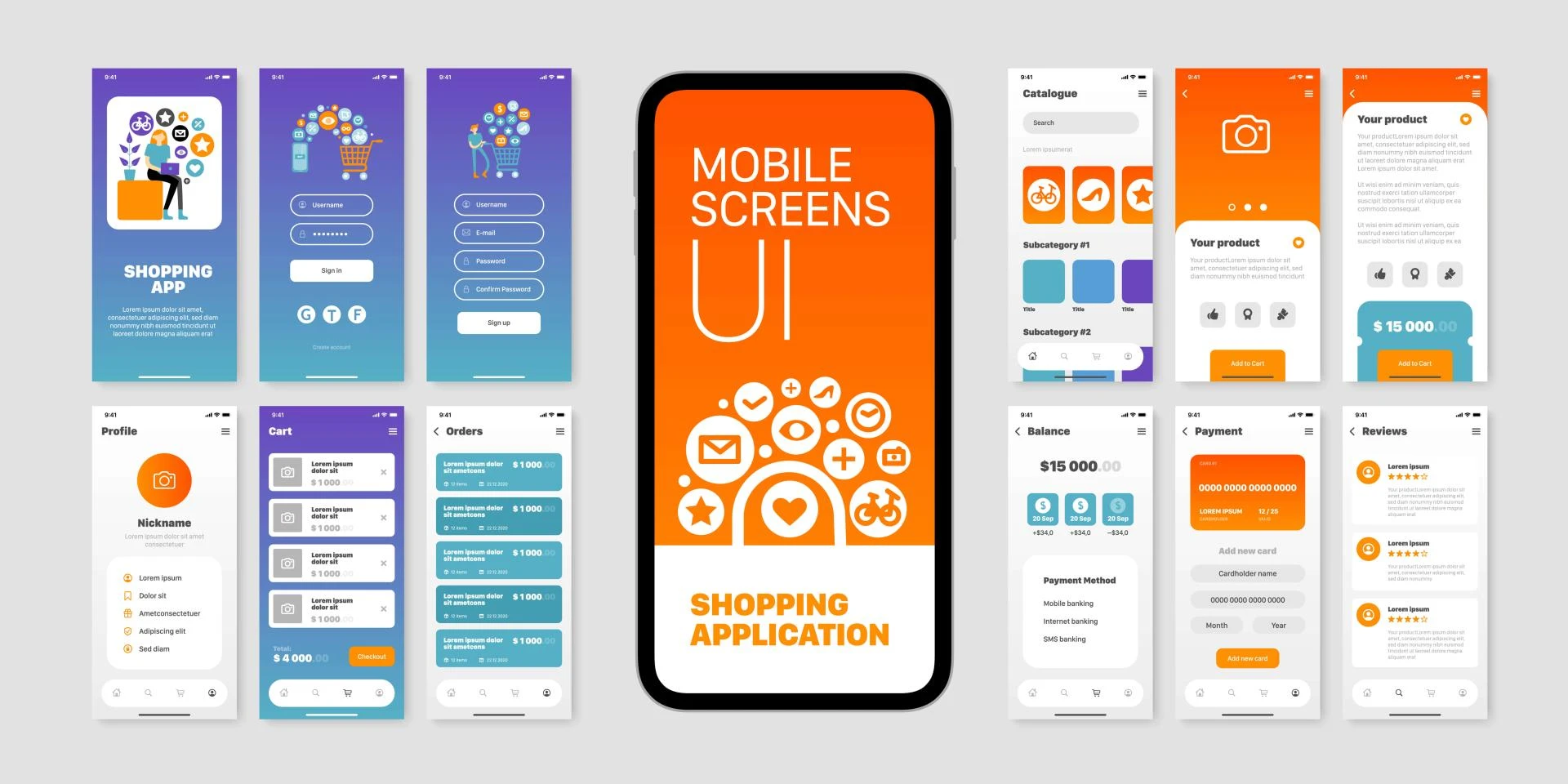
With the proliferation of smartphones and tablets, it's essential to design landing pages that provide a consistent and seamless experience across multiple devices. Responsive design, which adapts the layout and content to different screen sizes and resolutions, is crucial for ensuring an optimal user experience.
Implement techniques such as fluid grids, flexible images, and media queries to create a responsive design that maintains readability, usability, and visual appeal across various devices. Test your landing pages on multiple devices and screen sizes to identify and resolve any potential issues or inconsistencies.
5. Speed and Performance Optimization
In today's fast-paced digital world, users expect lightning-fast page load times. Slow-loading pages can lead to frustration, high bounce rates, and lost conversions. Optimize your landing pages for speed and performance by minimizing HTTP requests, compressing images and files, leveraging browser caching, and utilizing content delivery networks (CDNs) for efficient content distribution.
Additionally, consider implementing techniques such as lazy loading, which loads content as needed, reducing initial page load times and improving overall performance.
6. Personalization and Relevance
Personalization is a powerful tool for enhancing the user experience and increasing conversions. By tailoring the content, messaging, and design elements to specific user segments or personas, you can create a more relevant and engaging experience.
Leverage data from user behavior, demographics, and preferences to personalize the landing page experience. This could include dynamic content updates, personalized recommendations, or even localized language and currency options.
7. Continuous Testing and Optimization
UI/UX design is an iterative process, and continuous testing and optimization are essential for ensuring the ongoing success of your landing pages. Implement A/B testing strategies to compare different design elements, messaging, and layouts, and identify the variations that resonate best with your audience.
Regularly analyze user behavior data, conversion rates, and other key metrics to identify areas for improvement. Be open to feedback from users and stakeholders, and continuously refine and optimize your landing pages based on these insights.
8. Accessibility and Inclusivity
Creating an inclusive and accessible user experience should be a priority in landing page design. Ensure that your pages comply with web accessibility guidelines, such as those outlined by the Web Content Accessibility Guidelines (WCAG).
This includes implementing features like alternative text for images, proper color contrast ratios, keyboard navigation support, and compatibility with assistive technologies. By prioritizing accessibility, you not only create a better experience for users with disabilities but also improve the overall usability for all visitors.
Conclusion
In conclusion, crafting exceptional landing page experiences requires a holistic approach that combines best practices in UI and UX design. By prioritizing clarity, intuitive navigation, compelling visuals, cross-device compatibility, speed, personalization, continuous optimization, and accessibility, you can create landing pages that engage visitors, drive conversions, and ultimately contribute to the success of your business.
Remember, UI/UX design is an ongoing process, and staying attuned to emerging trends, technologies, and user preferences is crucial for maintaining a competitive edge in the digital landscape.
My Fiver link for : Figma Landing Page Design Service























Sign in to leave a comment.