

In the ever-evolving landscape of online shopping, where the competition is fierce and attention spans are short, a seamless and visually appealing user interface (UI) and user experience (UX) are critical for the success of an e-commerce platform. The design of your website not only influences the way users interact with it but also plays a pivotal role in driving conversions and ensuring user satisfaction. In this blog, we'll explore the key elements of UI/UX design that can significantly boost conversions and enhance user satisfaction in the realm of e-commerce.
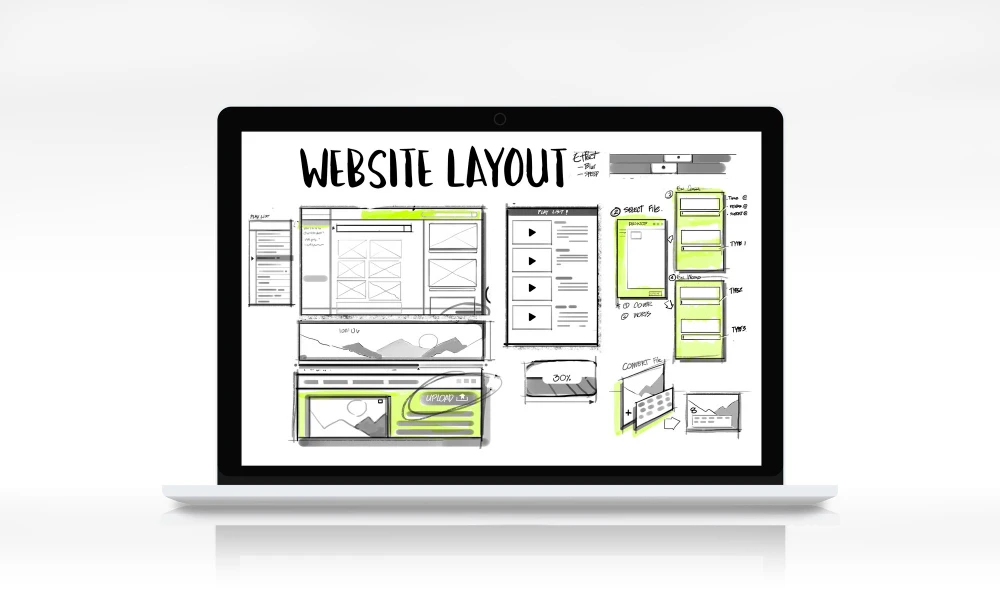
Intuitive Navigation:An intuitive navigation system is the backbone of a positive user experience. Shoppers should be able to easily find what they are looking for without unnecessary clicks or confusion. Implement a clear and concise menu structure, logical categorization, and a prominent search bar to help users quickly locate products or information. Consider integrating filters and sorting options to further streamline the browsing process.
Responsive Design:With the increasing use of smartphones and tablets for online shopping, having a responsive design is non-negotiable. Ensure that your e-commerce website is optimized for various devices and screen sizes. A responsive design not only improves accessibility but also contributes to a consistent and cohesive brand experience across different platforms.
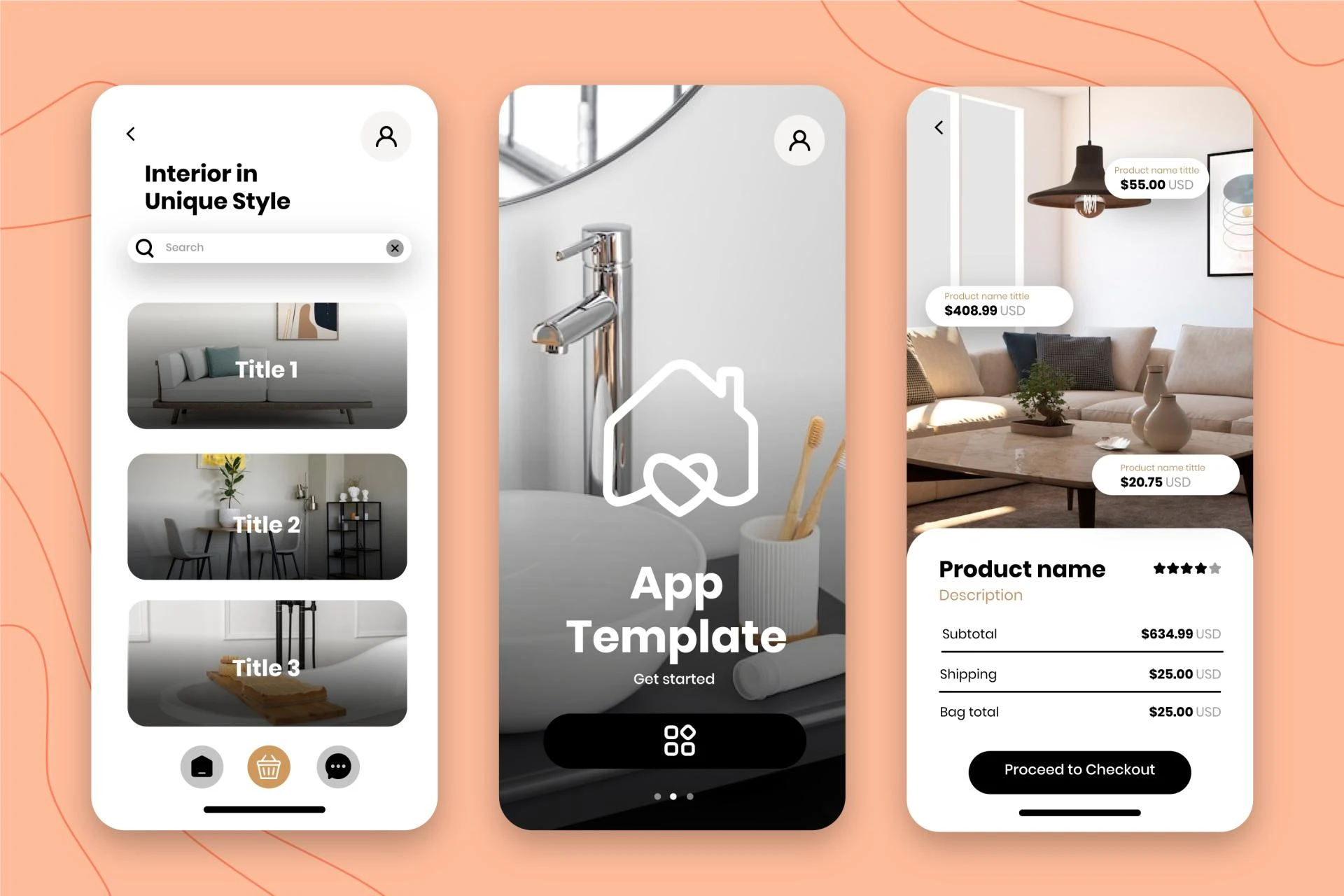
Visually Appealing Product Pages:The product pages are where the magic happens. High-quality images, compelling product descriptions, and easy-to-find pricing information are essential components of a successful product page. Implement a clean and visually pleasing layout that highlights the product and its key features. Incorporate zoom features for images to allow users to scrutinize products in detail.
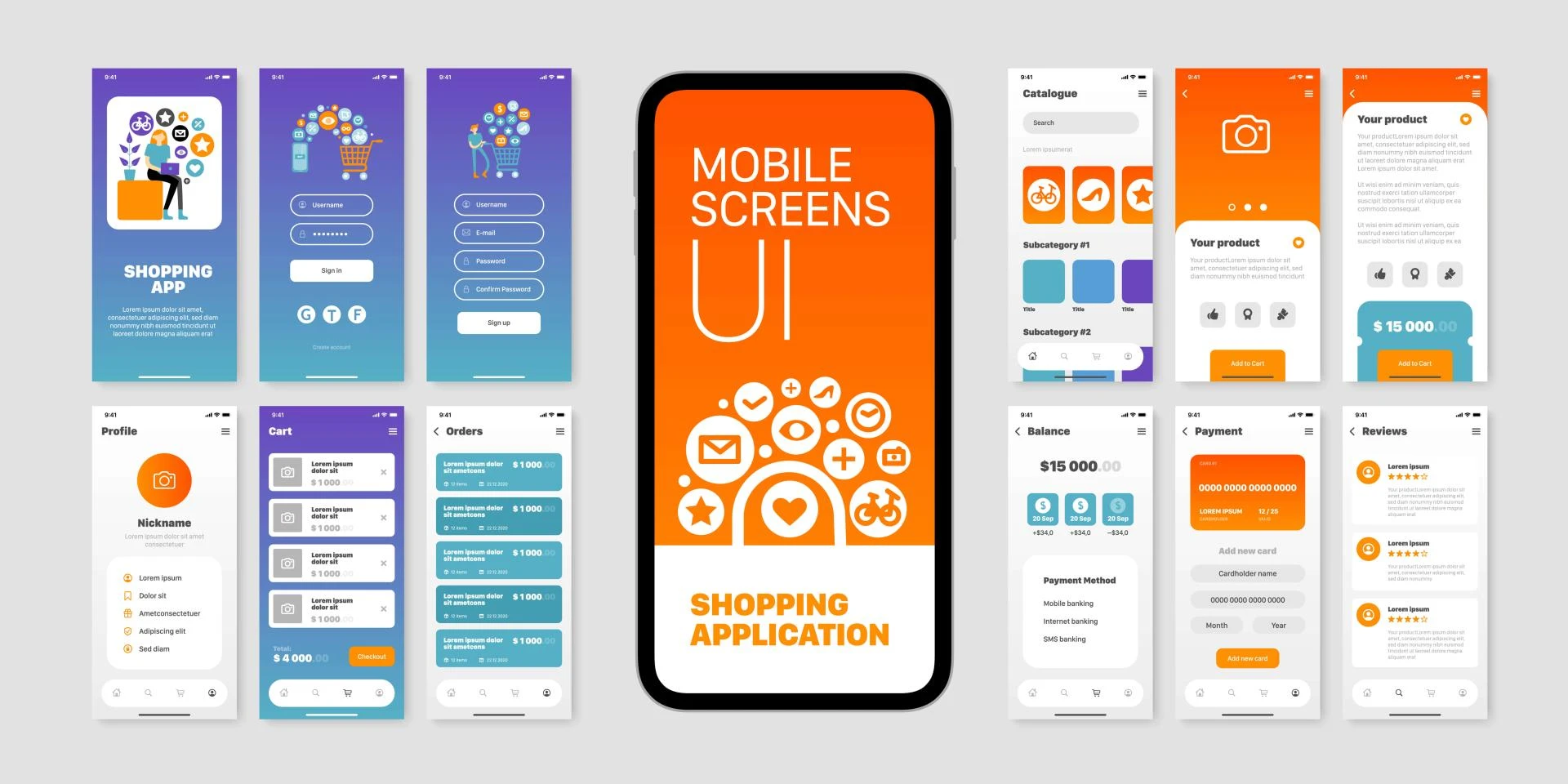
Streamlined Checkout Process:A lengthy and complicated checkout process can be a major conversion killer. Simplify the steps involved in completing a purchase. Implement a guest checkout option to accommodate users who want a quick and hassle-free experience. Additionally, provide clear and concise instructions at each stage, and minimize the amount of mandatory information required.
Personalized User Journeys:Personalization is a powerful tool for enhancing user satisfaction. Utilize data analytics to understand user behavior and preferences. Implement personalized recommendations, such as suggested products based on past purchases or items in the user's shopping cart. Tailor the user journey to make it feel unique and relevant to each individual.
Trust-Building Elements:Building trust is crucial in e-commerce. Incorporate trust signals such as customer reviews, security badges, and transparent return policies. Highlighting positive customer experiences can instill confidence in potential buyers and alleviate concerns they may have about making a purchase from your website.
Loading Speed Optimization:A slow-loading website can drive users away before they even get to explore your offerings. Optimize your site's loading speed by compressing images, leveraging browser caching, and minimizing unnecessary scripts. A fast and responsive website not only improves the user experience but also positively impacts search engine rankings.
In conclusion, investing in a well-thought-out UI/UX design for your e-commerce platform is not just a matter of aesthetics; it's a strategic decision that directly impacts your bottom line. By prioritizing intuitive navigation, responsive design, visually appealing product pages, a streamlined checkout process, personalized user journeys, trust-building elements, and loading speed optimization, you can create an online shopping experience that not only boosts conversions but also leaves your customers satisfied and likely to return for more.
Visit my Upwork profile for - UI/UX design, Mobile Design & Product Designer
Project Catalog for - Mobile App UI UX Design, iOS or Android Mobile APP UX/UI Design & Modern Crypto Designn



























Sign in to leave a comment.