

In the ever-evolving landscape of digital design, creating interfaces that captivate and engage users is a multifaceted challenge. Beyond the pixels and code, understanding the intricacies of user behavior is pivotal. This is where the marriage of UI/UX design and psychology becomes a powerful tool for designers seeking to craft compelling interfaces.
The Psychology Behind User Behavior
User behavior is complex and influenced by a myriad of factors. Psychology, the study of the mind and behavior, provides valuable insights into why users interact with digital interfaces the way they do. By delving into cognitive processes, emotions, and motivations, designers can gain a deeper understanding of user behavior and tailor interfaces accordingly.
Cognitive Load and Simplicity
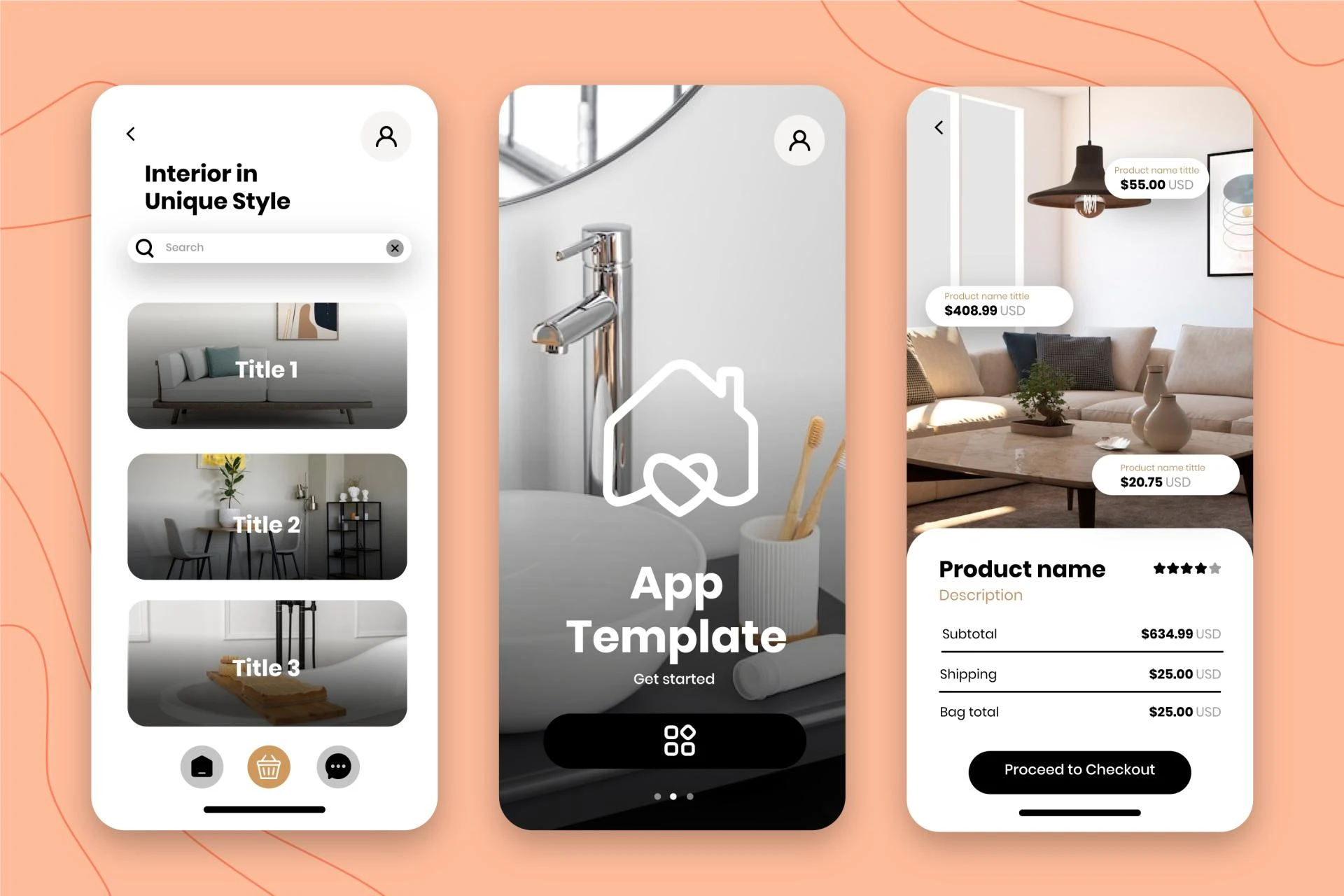
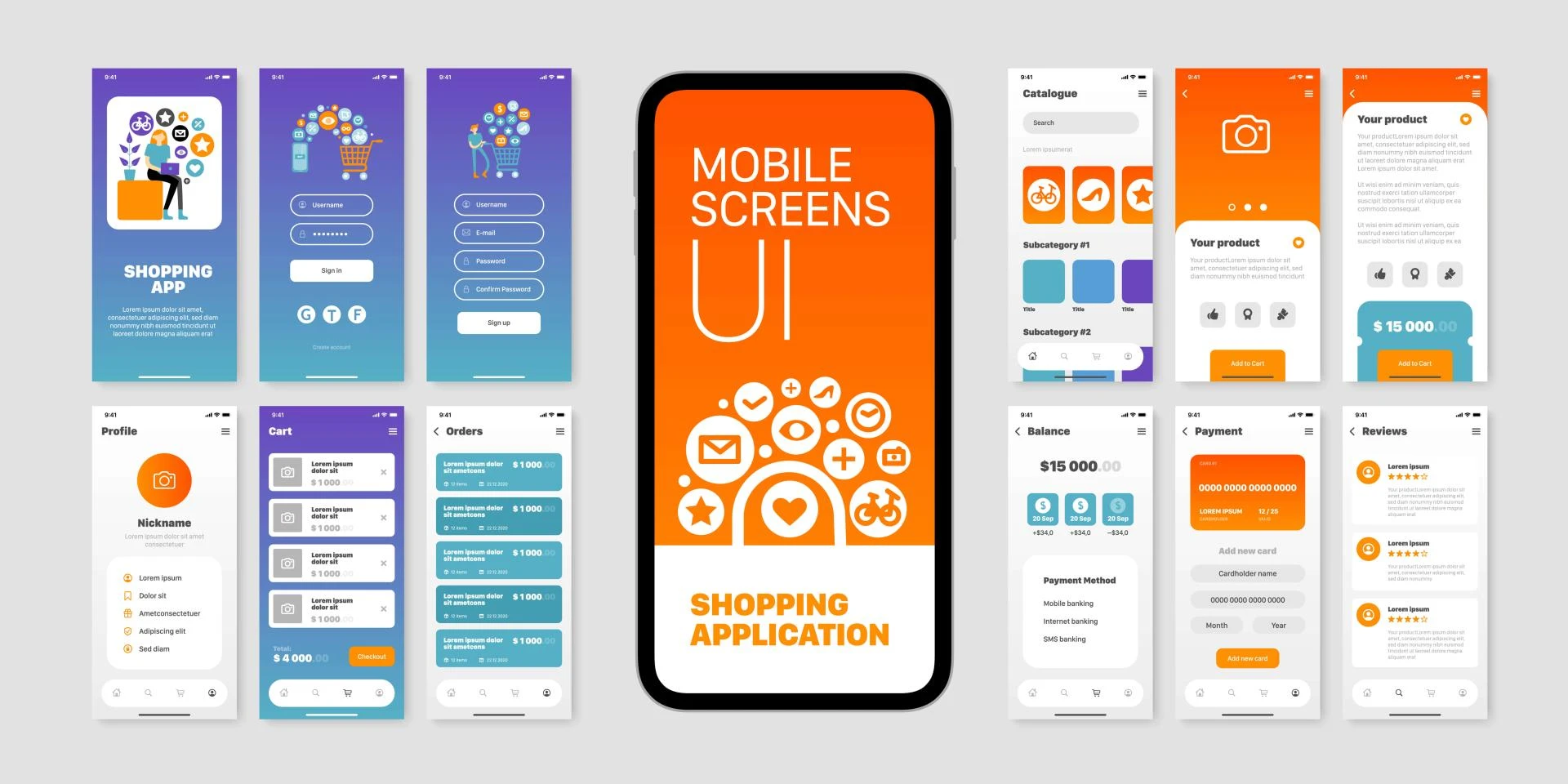
One of the key principles in UI/UX design psychology is the concept of cognitive load. Users have a limited capacity for processing information, and overwhelming interfaces can lead to frustration and abandonment. Designers must strive for simplicity, breaking down complex tasks into manageable steps and presenting information in a clear and concise manner. By minimizing cognitive load, interfaces become more user-friendly and enjoyable.
Emotional Design and User Engagement
Emotions play a crucial role in user engagement. Interfaces that evoke positive emotions are more likely to be well-received and remembered. From color choices to typography, every design element contributes to the emotional tone of an interface. Understanding the psychological impact of these elements allows designers to create interfaces that resonate with users on a deeper level, fostering a positive and lasting connection.
The Role of User Personas
Creating user personas is a fundamental aspect of UI/UX design informed by psychology. Personas are fictional representations of target users, encompassing their goals, preferences, and pain points. By empathizing with these personas, designers can align their creations with the needs and expectations of the intended audience. This user-centric approach enhances the overall user experience, as interfaces become tailored to real-world user scenarios.
The Power of Gestalt Principles
Gestalt psychology, with its emphasis on how humans perceive and organize visual information, has significant implications for UI/UX design. The Gestalt principles, such as proximity, similarity, and continuity, offer a framework for organizing elements in a way that is inherently intuitive to users. Leveraging these principles helps designers create interfaces that are visually cohesive and easy for users to navigate.
User Feedback and Iterative Design
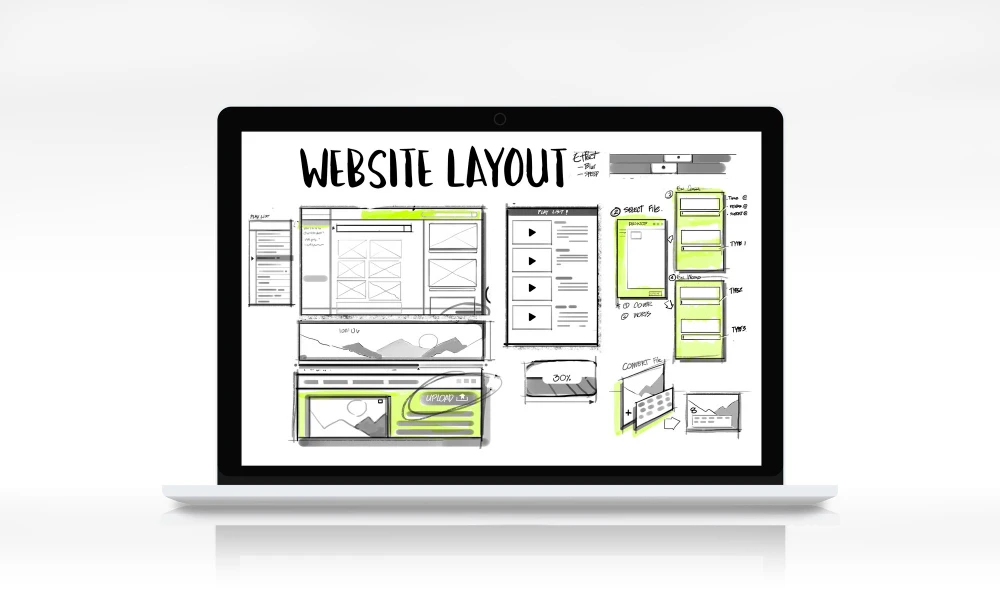
In the dynamic realm of digital design, user feedback is a treasure trove of valuable information. By incorporating user feedback into the design process, designers can refine and optimize interfaces based on real-world usage. This iterative approach, rooted in psychological principles, ensures that interfaces evolve to meet the ever-changing needs and expectations of users.
Conclusion
UI/UX design psychology is a dynamic and ever-expanding field that holds the key to creating interfaces that not only meet but exceed user expectations. By delving into the nuances of cognitive processes, emotions, and perceptions, designers can develop a profound understanding of user behavior. Armed with this knowledge, they can craft interfaces that are not only visually appealing but also intuitive, engaging, and ultimately compelling. As technology continues to advance, the symbiotic relationship between UI/UX design and psychology will undoubtedly shape the future of digital experiences.
Visit my Upwork profile for - UI/UX design, Web design & Mobile design



























Sign in to leave a comment.