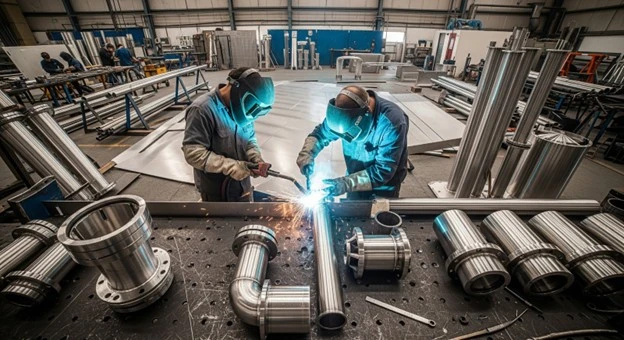

You want strength. You want polish. And you definitely want something that lasts. Stainless steel fabrication delivers all three if you do it right. In Singapore, where humidity pushes materials to their limit, and space is always tight, the stakes are higher. You need parts that fit, perform, and endure. No guesswork. No shortcuts. Just clean lines and reliable results.
But if you’re still trying to figure out what stainless steel fabrication actually involves, or if you’re unsure where to begin, don’t worry. You’re not the only one. This guide walks you through every essential step, one confident decision at a time.
You Start with the End in Mind
Every good project starts with a goal, and stainless steel is no different. Are you building a kitchen that needs to meet food safety standards? Trying to add sleek, weather-resistant railings to a commercial entrance? Or maybe you need equipment that stands up to intense cleaning routines without falling apart.
That goal shapes your design. It tells the fabricator what’s non-negotiable, what can flex, and where the stress points are. This is where your vision gets translated into drawings, and eventually, real-world measurements.
If your job involves custom stainless steel works, think bespoke countertops, wall panels, or shelving, then this stage matters more than you might realise. A good design keeps things running smoothly. A bad one? It slows everything down.
The Grade You Pick Isn’t Just a Number
Here’s where a lot of people trip up. Not all stainless steel is the same. Sure, they all look clean and sharp when new. But one grade might hold up for decades in a salt-heavy environment, while another starts to pit and corrode.
If you’re working on something exposed to water, steam, or salt air, 316 stainless steel is usually the go-to. It’s got molybdenum in it, which helps it resist corrosion. That matters when you’re dealing with marine settings, kitchens, or even medical spaces.
Material choice is where trust in your fabricator really counts. You need someone who won’t just say, “This will do,” but someone who asks, “What will this be used for?” and makes their recommendations based on real-world use.
The Cut Has to Be Right the First Time
Once your design and material are sorted, cutting begins. You might think this is straightforward. It’s not. Precision matters here. Down to the millimetre.
Modern metal fabrication services rely on laser cutters or waterjet machines. These tools help make cuts that are clean, smooth, and exactly to spec. Why does that matter to you? Because parts that aren’t cut right don’t fit right. And parts that don’t fit cost time, money, and trust.
Laser cutting gives you speed and detail. Waterjet cutting doesn’t use heat, which keeps your material from warping. Depending on your project, one may suit your needs better than the other.
Forming Isn’t Just Pressure. It’s Technique
Once cut, your stainless steel needs to be formed into shape. This could mean bending, rolling, or even deep drawing. But here’s the thing about stainless steel, it gets tougher the more you work it. Push too far and it can crack.
That’s why this step demands skill, not brute force. A trained fabricator will know how to adjust the angles and apply just the right pressure. It’s part science, part instinct. You want someone who’s done this enough times to know how steel behaves, not someone learning on your project.
Welding Can Make or Break the Finish
When most people picture stainless steel, they imagine a smooth, seamless surface. That finish doesn’t happen on its own. It comes from the welds. And welding stainless steel? That’s its own specialty.
TIG welding is the standard for a reason. It gives you a strong, neat weld without leaving behind a mess. But even then, things can go wrong if the welder isn’t careful. Stainless steel can lose its protective layer if it’s overheated. Once that layer is damaged, rust can sneak in.
When you're investing in stainless steel welding and polishing, don’t just ask for strength. Ask for appearance. Ask for safety. And make sure your fabricator takes both seriously.
Surface Finishing Isn’t Just for Looks
At this stage, your stainless steel might be shaped and welded, but it’s not finished. Not yet. Surface treatment is where your piece gets its polish and its protection.
Depending on the job, your fabricator might choose bead blasting for a matte finish, or electropolishing for something shinier. They might even use passivation to restore the stainless steel’s resistance to rust.
These aren’t cosmetic touches. They’re functional. Especially if you’re working in food, healthcare, or cleanroom environments. That’s why stainless steel kitchen equipment fabrication focuses so heavily on surface treatments. You’re not just building something strong. You’re building something safe.
Final Checks Matter More Than You Think
It’s easy to assume your job is done once the piece looks complete. But professional stainless steel fabrication includes one more step: inspection.
This is where your fabricator checks the measurements again. They test structural integrity. They look for warping, uneven edges, or weak welds. Why? Because missing these things means headaches later when it’s already installed, already in use, and suddenly failing.
Great fabricators won’t ship a product unless it passes every internal check. That’s the kind of discipline you want behind your project.
Local Expertise Means More Control
If you're managing a project in Singapore, you know how tight spaces and fast timelines affect everything. That’s why working with a local fabricator makes a difference. You get quicker adjustments, easier coordination, and peace of mind knowing your team understands local codes and expectations.
You’ll also benefit from clearer communication and less waiting time. That’s key when you're sourcing from architectural stainless steel solutions and want consistency across multiple parts or builds.
Stainless Steel Isn’t Cheap But It’s Worth It
Stainless steel costs more than some other materials. But here’s the tradeoff: it lasts. It stays clean. It doesn’t warp or wear out under pressure. And that means you won’t be replacing or repairing it anytime soon.
If you’ve ever had to deal with equipment that rusts, stains, or breaks down too fast, you’ll know what a difference this makes. You’re buying peace of mind as much as you’re buying material.
It’s Also the Greener Choice
You care about sustainability. So does your fabricator. Stainless steel is 100% recyclable. That means scrap pieces don’t go to waste. They go back into production.
If your business is working toward green certifications or trying to reduce its environmental footprint, this is a smart move. Choosing stainless steel helps your project meet higher standards without giving up on quality.
Here’s What You’re Really Buying
You’re not just getting polished metal. You’re buying reliability. You’re investing in durability, hygiene, and safety. And when you work with experienced fabricators, you’re getting guidance too. You get someone who helps you avoid mistakes before they happen.
Working with stainless steel fabrication professionals in Singapore gives you the confidence to move fast, trust the process, and know you’ll receive work that reflects well on you. From one-off pieces to full-system builds, it’s a solution that delivers every time.
So if you’re planning a build, refreshing your kitchen, or gearing up for a commercial launch, don’t settle. Choose stainless steel done right. Let precision carry the weight for you.


























Sign in to leave a comment.