
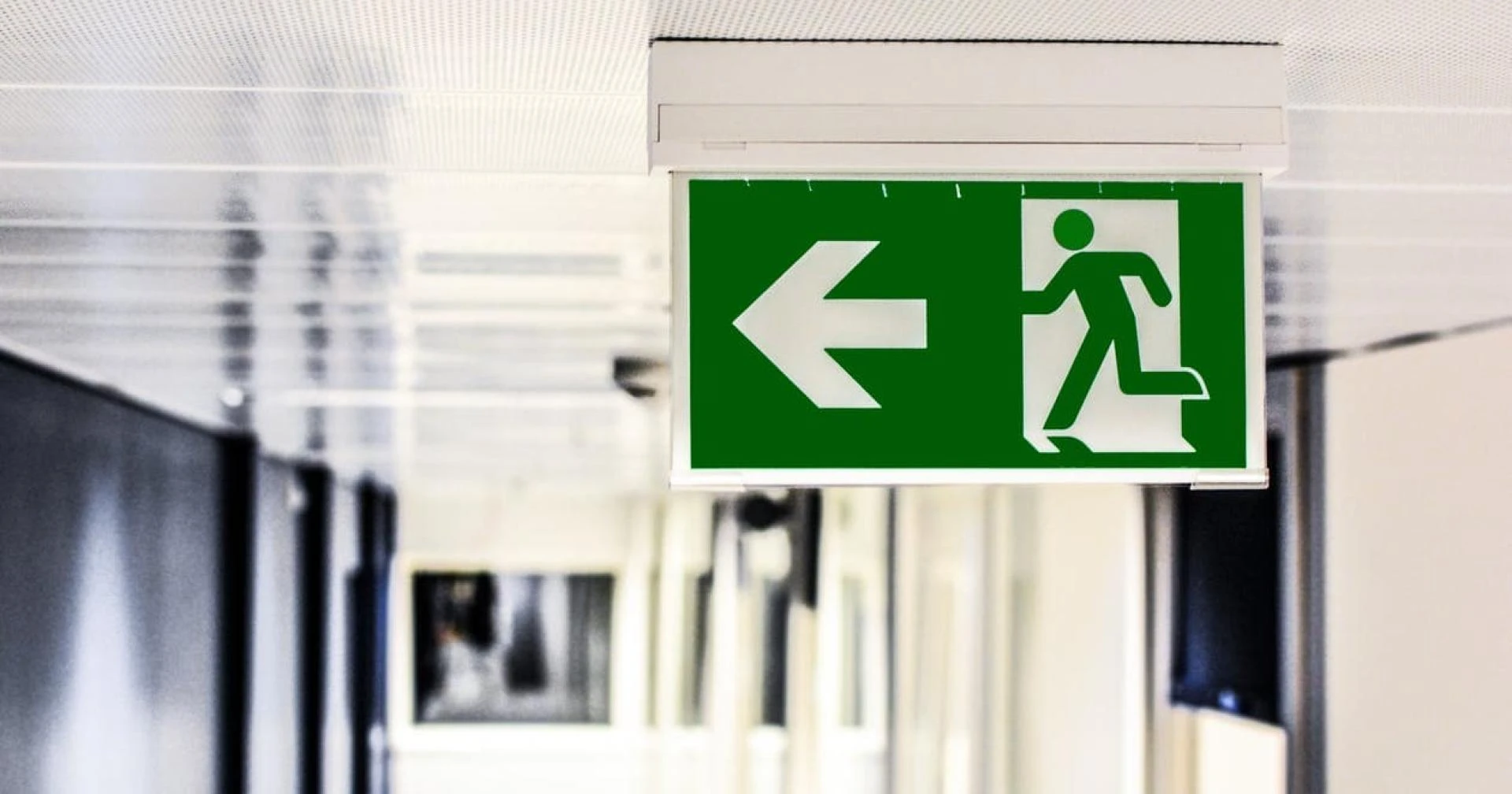
For business owners, ensuring the safety of employees, visitors, and customers is not just a moral responsibility—it’s a legal requirement. One critical aspect of workplace safety that often goes overlooked is exit lighting. Exit lights guide occupants to safety during emergencies such as fires, power outages, or other unexpected incidents. In Australia, stringent regulations govern the installation, maintenance, and testing of exit lights, and failing to comply can have serious consequences.
Exit lights are more than just illuminated signs—they are a lifeline during emergencies. Australian Standards, specifically AS 2293, outline the requirements for emergency lighting and exit signs in commercial, industrial, and public buildings. These standards cover everything from the placement and brightness of the lights to regular inspection and testing schedules. Business owners need to understand that compliance is not optional. Regular testing ensures that exit lights function as intended when an emergency arises.
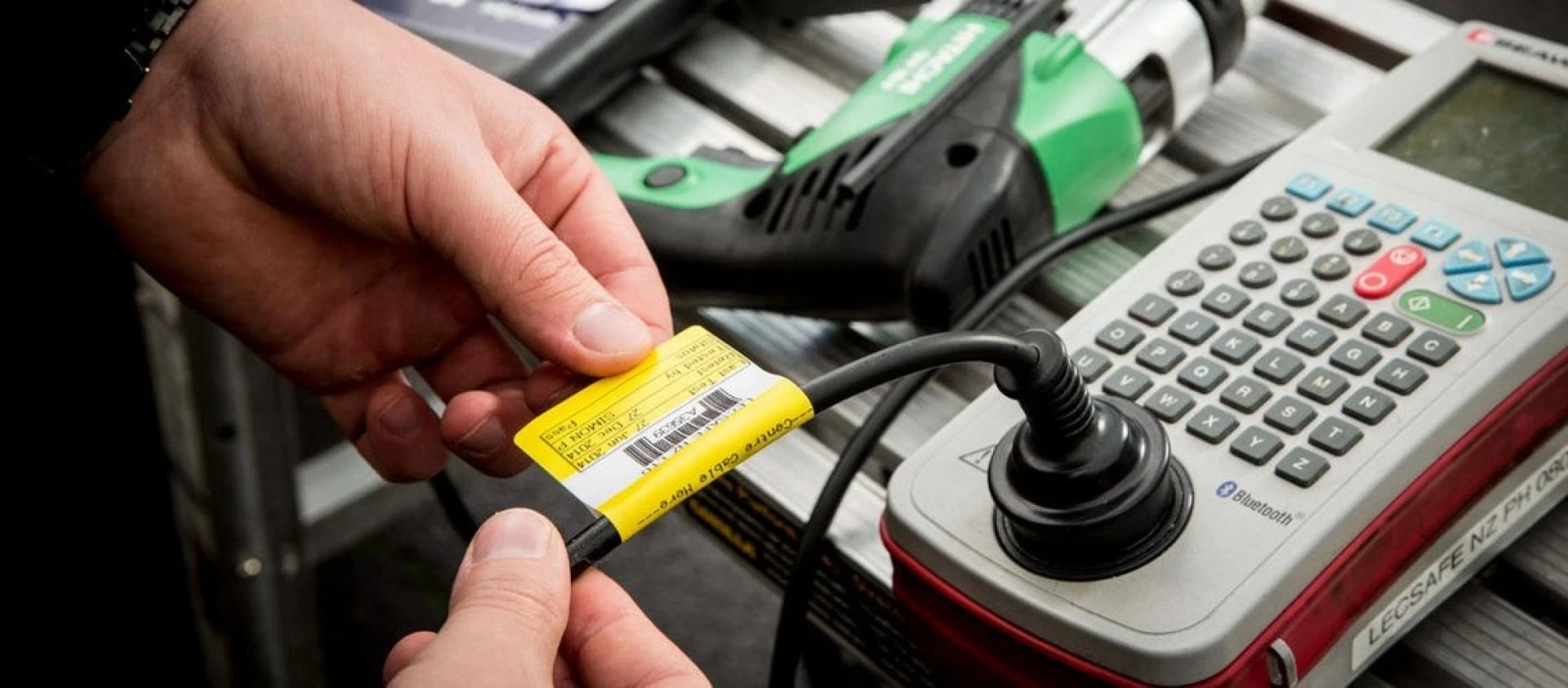
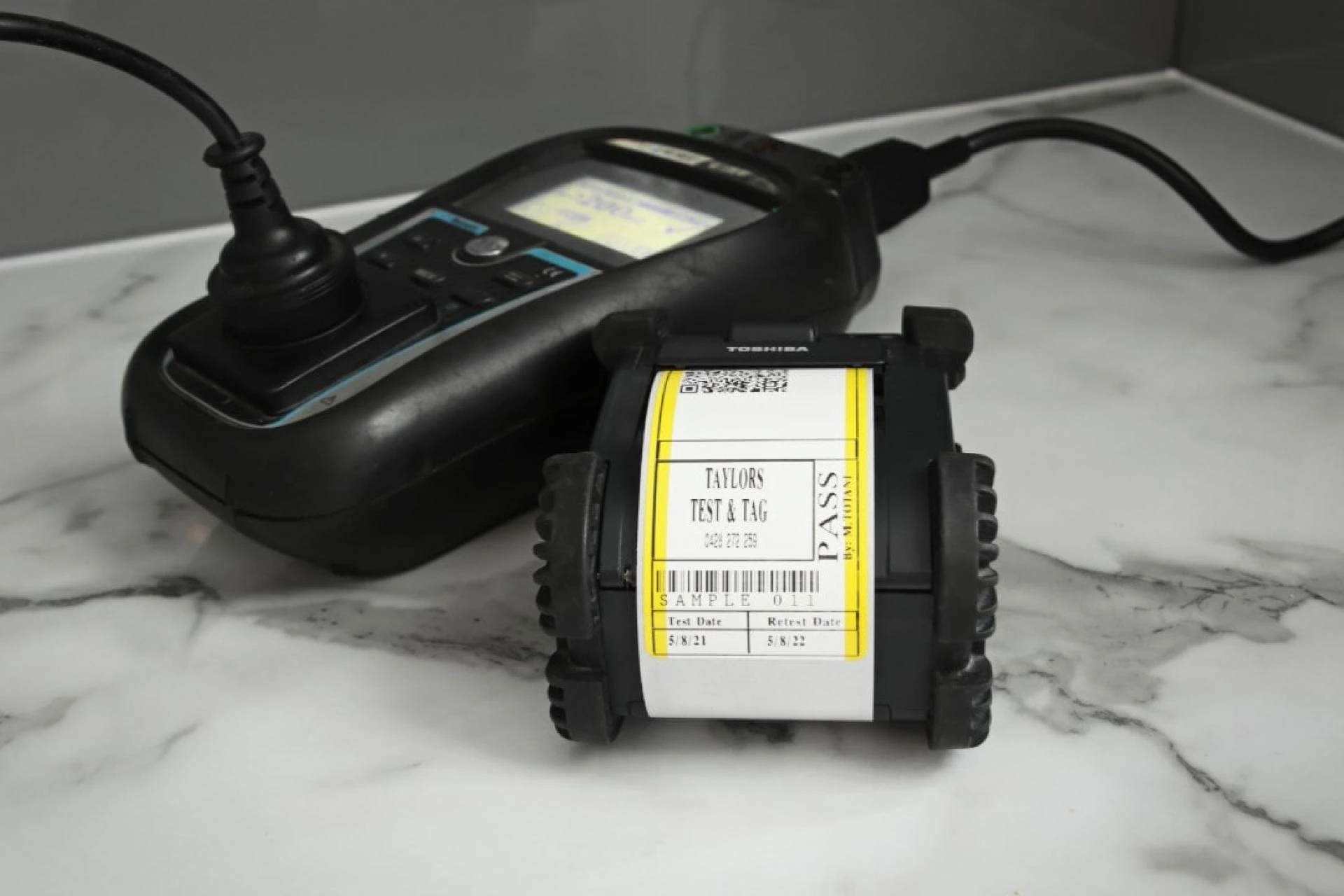
An essential part of maintaining compliance is conducting an exit light test. This procedure is designed to check the operational status of all emergency lighting systems within a building. During an exit light test, each light is checked to confirm it illuminates correctly, the batteries are functioning, and the lights switch on automatically in case of a power failure. Testing also identifies any issues such as burnt-out bulbs, faulty wiring, or depleted batteries that could compromise safety.
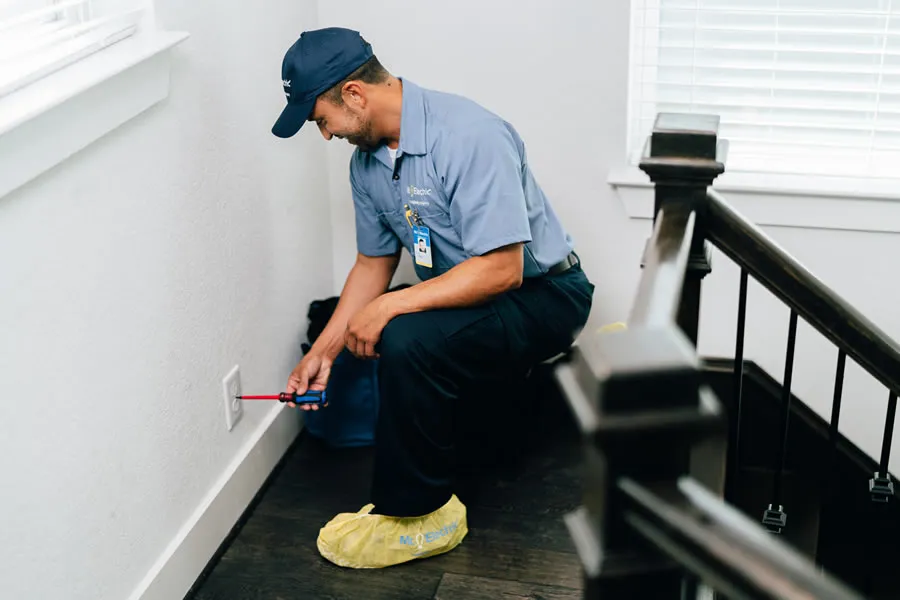
In Adelaide, businesses can rely on professional services for exit light test Adelaide. These services offer expert inspections and testing to ensure compliance with Australian regulations. Hiring professionals not only saves time but also provides peace of mind, knowing that every exit light in your premises has been thoroughly checked and meets legal standards. A professional service will provide detailed reports, documenting which lights were tested, their condition, and any necessary repairs. This documentation is invaluable, particularly during audits or in the event of an incident.
Regulations stipulate that exit lights must undergo both routine and annual testing. Routine testing is typically performed weekly or monthly and involves simple checks such as turning on the light and confirming it works. Annual testing is more comprehensive and may include load tests that simulate power failures to ensure emergency lighting lasts for the required duration, usually at least 90 minutes. Failing to perform these tests not only breaches safety regulations but can also lead to fines or legal liability if an incident occurs and emergency lighting fails.
Beyond legal compliance, regular exit light testing plays a crucial role in building safety culture. Employees and visitors may take emergency systems for granted until an emergency occurs. By ensuring that exit lights are functional and clearly visible, business owners demonstrate a proactive commitment to safety. This can enhance staff confidence, reduce panic in emergencies, and even improve insurance considerations, as insurers often require evidence of compliance with safety regulations.
It is also important to remember that exit light testing is not a one-time activity. Buildings evolve, layouts change, and new hazards emerge over time. Therefore, exit light testing should be part of an ongoing maintenance schedule rather than an occasional check. Incorporating these checks into routine maintenance plans ensures that safety measures remain effective and compliant with changing standards or building modifications.
Technology has also made exit light testing more efficient. Some systems now include self-testing capabilities, which automatically check lights and provide alerts when a unit fails. While this technology is helpful, it should not replace professional inspections. Automated systems can complement manual testing but cannot fully substitute for the detailed checks that a trained technician provides.
Ultimately, understanding and adhering to Australian exit light testing regulations is a responsibility that no business owner can afford to ignore. Compliance ensures the safety of everyone in the building, protects the business from potential legal and financial repercussions, and contributes to a culture of preparedness. For business owners in Adelaide, scheduling professional exit light test Adelaide services is a practical and effective way to meet regulatory requirements and maintain a safe environment.
Taking the time to understand these regulations and implementing a robust testing routine is a small investment compared to the potential cost of non-compliance or, worse, an unprepared emergency. By prioritising exit light testing, businesses not only follow the law but also reinforce their commitment to safety and well-being—an aspect that benefits employees, visitors, and the business itself.


























Sign in to leave a comment.