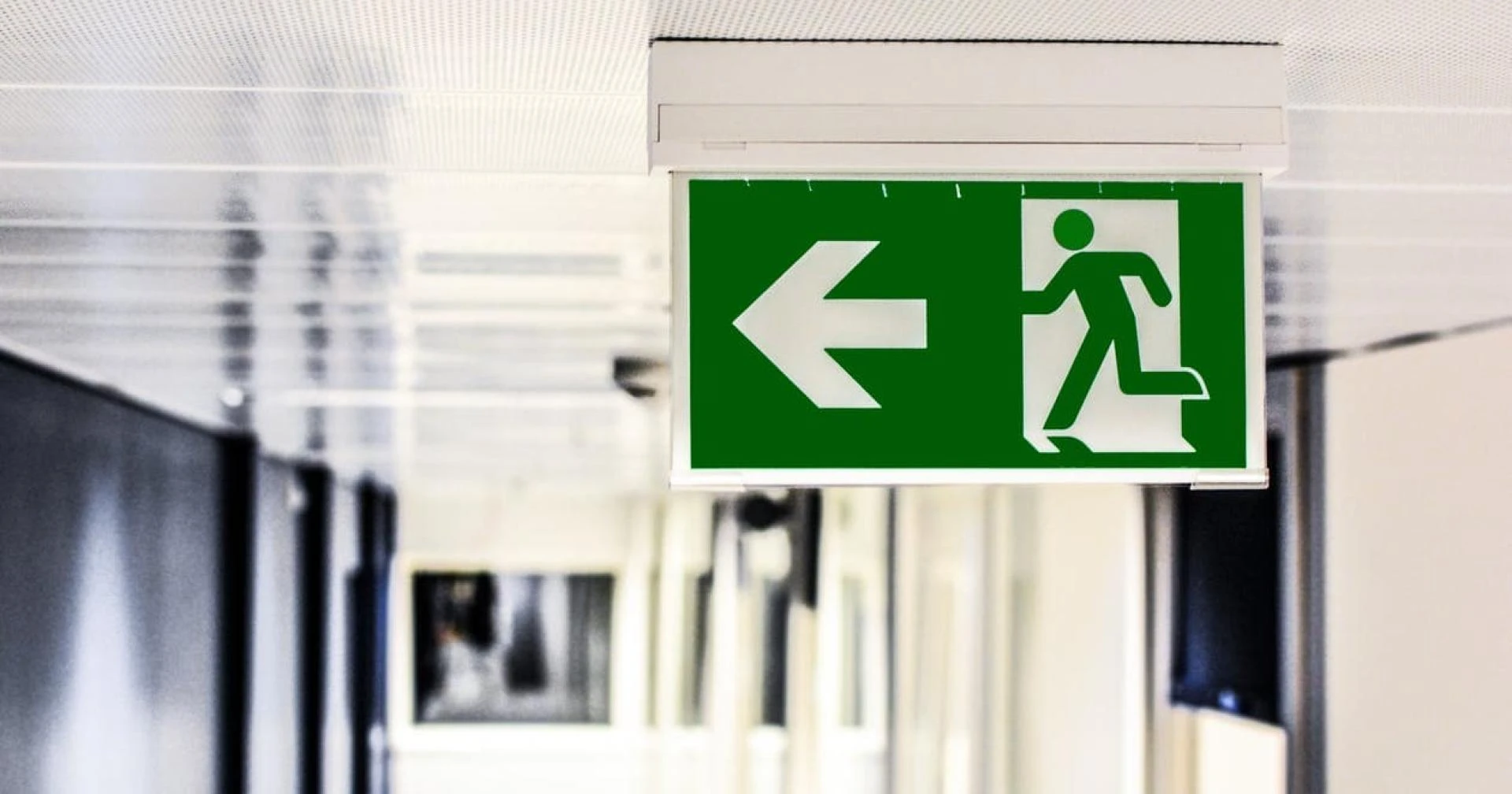

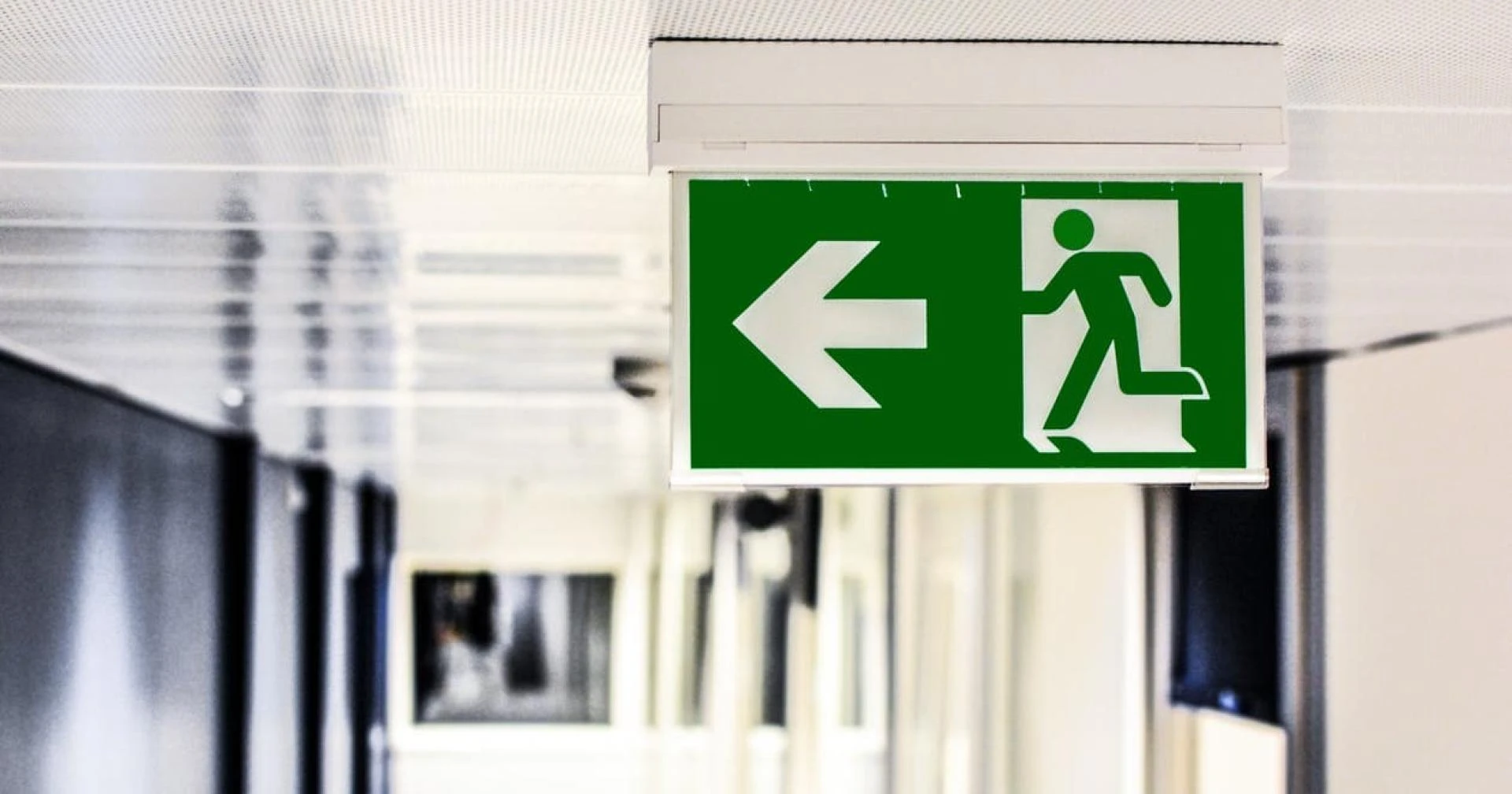
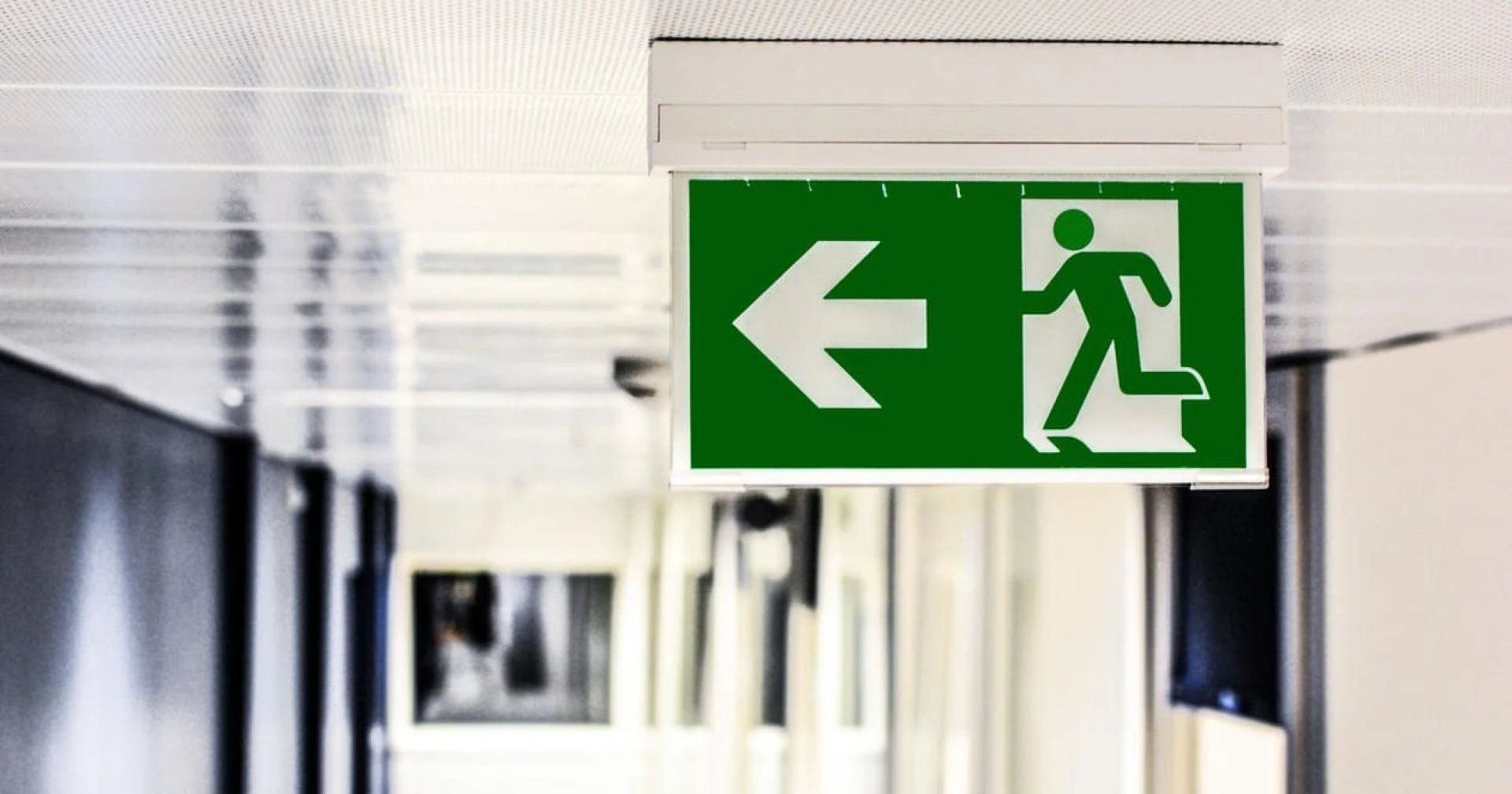
Keeping a building safe goes far beyond alarms and sprinklers. One of the most overlooked—yet most crucial—safety measures is ensuring that all exit lights are working correctly. These small, glowing signs become lifesavers during emergencies, guiding occupants to safety when visibility is low or panic sets in. For building managers, sticking to a consistent and well-structured exit light testing routine is not just about compliance—it’s about protecting lives and maintaining a building you can be proud of. Whether you manage an office, retail space, school, or multi-storey complex, having a clear and practical Exit Light Test Adelaide process in place is essential.
Below is a human-centred, easy-to-follow exit light test checklist that every building manager should adopt.
1. Begin With a Visual Inspection
Start your monthly check by simply walking through the building and looking closely at each exit sign. Ensure the light is on, the sign is clearly visible, and nothing is blocking it—like a stacked box, a temporary banner, or a new piece of furniture. Many issues are caught during this simple step, and it takes only a few minutes. Visual inspections also help you spot wear and tear early, such as faded lettering, cracked casings, or signs that are beginning to flicker.
2. Test Operation on Backup Power
Exit lights are designed to shine even when the building loses electricity. That means their backup batteries need to be in good working condition. As part of your routine, simulate a power outage by switching off the main lighting circuit or using the test button available on most units. Watch how the exit lights respond. They should switch seamlessly to battery power and remain consistently bright. If they flicker or dim, the battery may need replacement.
For many facilities, especially older buildings, this check is essential and is often included in professional services such as Exit Light Test Adelaide packages.
3. Check Battery Condition and Lifespan
Most exit lights use rechargeable batteries that need periodic replacement. Even if the lights seem fine, an ageing battery may fail without warning. During your tests, check the manufacturing date or last replacement date marked on the battery or fixture. Most batteries last between 3–5 years, but environmental factors like heat, humidity, and electrical fluctuations can shorten their lifespan.
If a battery shows signs of swelling, corrosion, or leakage, replace it immediately. Damaged batteries can compromise the entire unit and even become a fire risk.
4. Inspect the Electrical Components
Loose wiring, ageing transformers, and electrical faults can prevent exit lights from charging correctly. During your scheduled test, open the panel (if you are trained and authorised) and ensure all internal wiring looks intact. Listen for unusual sounds like buzzing, which may indicate an electrical fault. If you’re not confident with electrical work, this is the perfect time to call a licensed technician. A quick professional assessment can prevent a much larger problem in the future.
5. Confirm Compliance With Regulations
Different states and councils have specific requirements regarding exit light testing frequencies and documentation. As a building manager, staying compliant is part of your duty of care. Make sure your exit light test routine aligns with Australian Standards and local regulations. Record every test you perform, including dates, outcomes, and any maintenance carried out. Proper documentation not only keeps you compliant but protects the building, tenants, and your professional reputation.
6. Schedule Professional Annual Testing
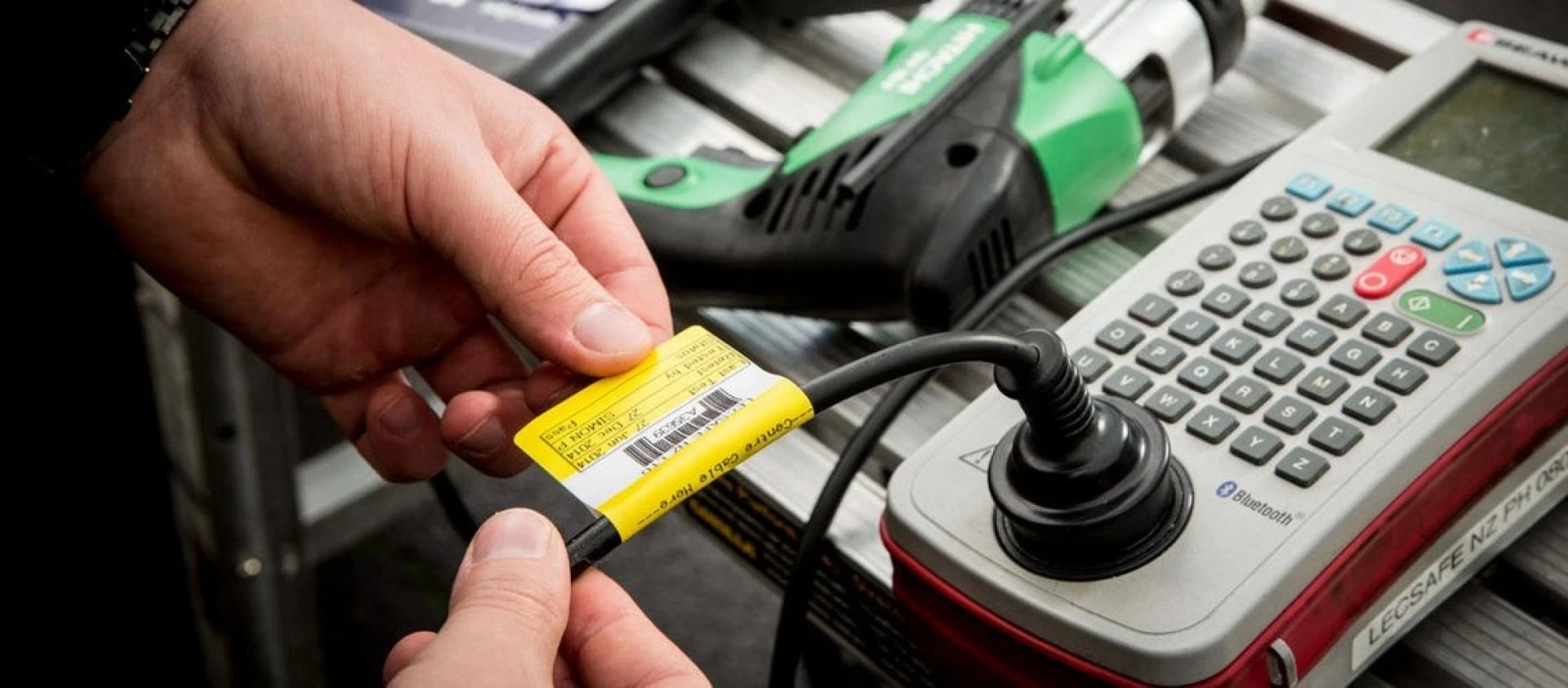
Even if you perform monthly checks, annual testing by a licensed technician is essential. Professionals have specialised tools to conduct duration tests—typically three-hour battery tests—to ensure exit lights will operate for the required amount of time during an emergency. They can also identify issues that may be easy to miss during routine inspections. Regular professional testing, especially through services tailored for Exit Light Test Adelaide, brings peace of mind and ensures your system meets all safety standards.
7. Replace Damaged or Outdated Exit Lights
If an exit light has recurring issues or has exceeded its recommended lifespan, replacement is often more cost-effective than constant repairs. Modern LED exit lights consume less energy, last longer, and require far less maintenance than older fluorescent models. Upgrading outdated units improves safety and lowers operational costs.
Final Thoughts
Exit lights are a small but critical part of building safety. As a building manager, creating and following a consistent testing checklist ensures your building remains compliant, safe, and prepared for emergencies. Regular visual checks, thorough battery testing, electrical inspections, and annual professional assessments form the backbone of a reliable safety routine.
Ultimately, an effective exit light test schedule isn’t just about ticking boxes—it’s about protecting every person who enters your building.


























Sign in to leave a comment.