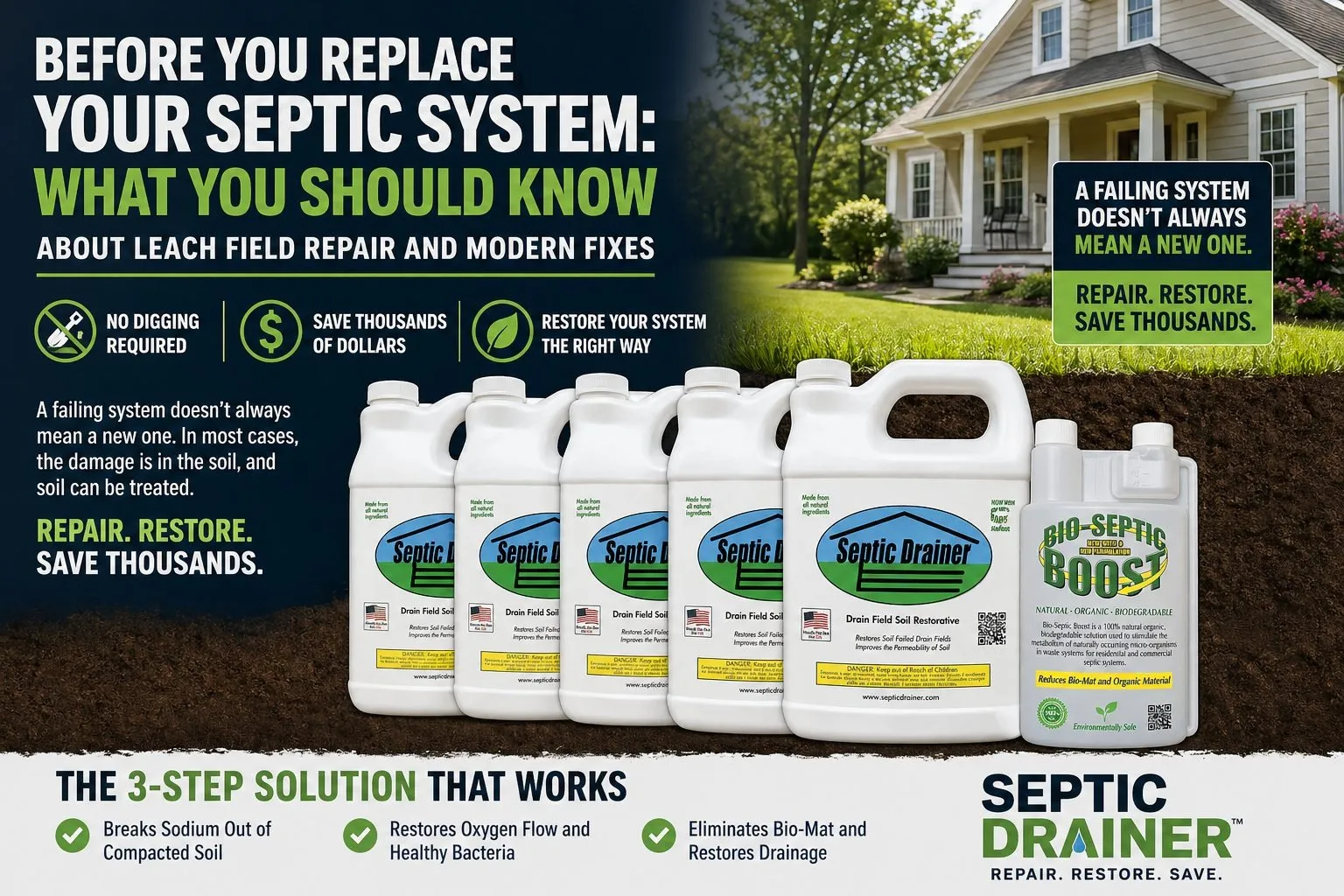

A septic system is designed to work quietly in the background, handling wastewater efficiently while homeowners go about their daily lives. However, when a leach field begins to struggle, the warning signs can quickly become impossible to ignore. Slow drains, soggy patches in the yard, unpleasant odors, and recurring septic issues often point toward a system that is no longer functioning at its best.
One of the most common causes of leach field performance problems is the accumulation of organic waste, grease, soap residues, and biological buildup within the soil treatment area. Over time, these materials can reduce the soil's ability to absorb and treat wastewater effectively. This is where leach field repair product solutions have gained attention among property owners and septic professionals alike.
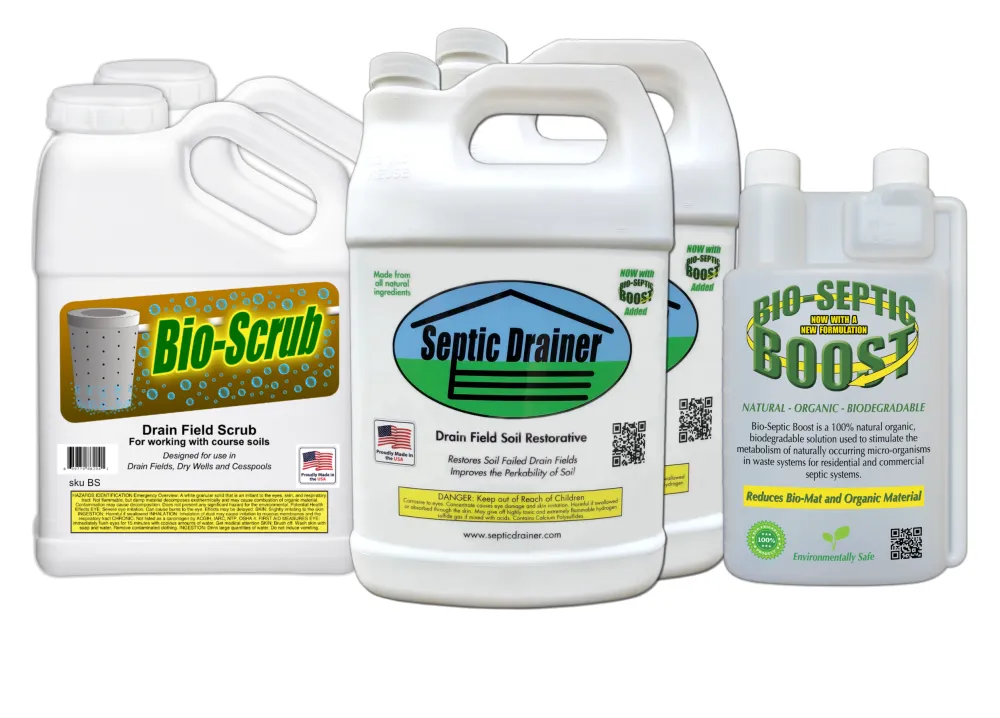
Among the various treatment options available today, bacteria-based leach field products have emerged as a popular and environmentally conscious approach to supporting septic system health. These products are designed to enhance the natural biological processes already occurring within a septic system, helping break down organic matter and improve wastewater treatment performance. Understanding how these products work, their benefits, limitations, and proper applications can help property owners make informed decisions when managing septic system challenges. Keep reading.
What Are Bacteria-Based Leach Field Products?
Bacteria-based leach field products are biological treatments formulated with beneficial microorganisms specifically selected for their ability to digest organic waste materials commonly found in septic systems. These products are typically introduced into the septic system through household drains or directly into the septic tank. Once inside the system, the bacteria begin consuming organic matter, including grease, proteins, carbohydrates, and other biodegradable substances.
The goal is not to replace the existing bacterial population but rather to supplement and strengthen it. A healthy septic system relies on billions of naturally occurring microorganisms to process wastewater. However, certain conditions can reduce bacterial activity, making biological supplementation beneficial in some situations. When properly used, a quality leach field repair product may help restore biological balance and support overall system efficiency.
How Leach Fields Function
Before exploring bacteria-based treatments in detail, it is important to understand the role of the leach field itself. The septic tank serves as the first stage of wastewater treatment. Solids settle at the bottom, oils rise to the surface, and partially treated liquid effluent flows into the leach field.
The leach field consists of a network of perforated pipes installed within gravel or specially engineered media. Wastewater disperses through these pipes and enters the surrounding soil, where natural filtration and microbial activity complete the treatment process.
The soil acts as a living treatment system. Beneficial bacteria in the soil remove contaminants, break down organic compounds, and help purify wastewater before it reenters the environment.
When biological activity decreases or excessive waste accumulates, the system can begin to lose efficiency. This is where bacteria-based leach field products are often introduced as a supportive measure.
Common Causes of Leach Field Failure
Leach field problems rarely develop overnight. Instead, they often result from years of gradual buildup and system stress. Several factors contribute to reduced performance:
Organic Biomat Accumulation
A biomat is a layer of organic material that naturally forms where wastewater enters the soil. While a healthy biomat is necessary for treatment, excessive growth can restrict water movement and reduce soil absorption capacity.
Excessive Water Usage
Large volumes of wastewater can overwhelm the system, preventing proper treatment and increasing saturation levels within the soil.
Grease and Household Chemicals
Cooking oils, harsh cleaners, disinfectants, and chemical products can interfere with microbial activity and contribute to system imbalances.
Lack of Maintenance
Failure to pump the septic tank regularly allows excessive solids to enter the leach field, accelerating clogging and reducing performance.
Soil Compaction
Heavy vehicles, construction equipment, or structures placed over the drain field can compress the soil and reduce its ability to absorb wastewater. Many bacteria-based leach field repair product solutions are designed to address organic accumulation and biological imbalances associated with these common issues.
How Bacteria-Based Products Work?
The effectiveness of bacteria-based treatments lies in their ability to support natural decomposition processes. When introduced into the septic system, beneficial bacteria begin colonizing areas where organic waste has accumulated. These microorganisms produce enzymes that break complex organic compounds into simpler substances.
The process helps reduce:
- Organic sludge accumulation.
- Grease deposits.
- Soap residue buildup.
- Protein-based waste.
- Excess organic biomat growth.
As organic materials are broken down, wastewater can move more freely through the system. Improved biological activity may enhance treatment efficiency and help maintain proper leach field function. Rather than acting as a chemical cleaner, a biological leach field repair product works with nature's existing processes to support system recovery.
The Benefits of Bacteria-Based Leach Field Products
Environmentally Friendly Treatment
One of the most appealing advantages of biological treatments is their environmentally responsible approach. Unlike harsh chemical additives, beneficial bacteria work naturally within the ecosystem, supporting biological treatment without introducing potentially harmful substances into the environment.
Supports Existing Microbial Activity
A septic system depends on living microorganisms to function properly. Bacteria-based leach field products help reinforce these natural populations, particularly after disruptions caused by chemical exposure or system stress.
May Improve Waste Breakdown
Additional bacterial activity can enhance the decomposition of organic waste materials that contribute to the buildup within septic tanks and leach fields.
Reduced Odor Concerns
Unpleasant septic odors often indicate incomplete decomposition or biological imbalance.
By improving waste digestion, bacterial treatments may help reduce odor-producing compounds.
Non-Invasive Approach
Compared to excavation, pipe replacement, or major system reconstruction, biological treatment offers a relatively simple and non-invasive option for supporting septic system performance.
Understanding the Role of Enzymes
Many bacteria-based products also contain enzymes. While bacteria consume organic waste, enzymes serve as catalysts that initiate the breakdown process. They help convert complex organic compounds into smaller molecules that bacteria can digest more efficiently.
This combination of bacteria and enzymes often creates a synergistic effect that enhances overall treatment performance. For this reason, many advanced leach field products contain carefully selected bacterial strains paired with enzyme formulations.
Situations Where Biological Treatments May Help
Bacteria-based products are often most effective when used as part of a broader septic maintenance strategy.
They may provide benefits in situations such as:
Early Signs of Reduced Performance
If a leach field is showing minor drainage issues or slow wastewater absorption, biological treatments may help address developing organic buildup before problems worsen.
Recovery After Chemical Exposure
Strong disinfectants, bleach products, and antibacterial cleaners can negatively affect microbial populations.
Supplementing beneficial bacteria may help restore biological balance.
Routine Preventive Maintenance
Many property owners use bacteria-based leach field repair product solutions as part of an ongoing maintenance program aimed at supporting long-term system health.
Seasonal Properties
Vacation homes and seasonal residences may experience fluctuating bacterial populations due to periods of inactivity. Biological treatments can help re-establish microbial activity when the property is reoccupied.
Limitations of Bacteria-Based Leach Field Products
Although these products offer potential benefits, it is important to maintain realistic expectations.
No biological treatment can solve every septic problem. Certain conditions require professional intervention, including:
Structural Damage
Broken pipes, crushed distribution lines, and damaged components cannot be repaired through bacterial treatment alone.
Severe Soil Saturation
If the soil surrounding the leach field has become permanently saturated, additional corrective measures may be necessary.
Advanced System Failure
Long-term neglect or extensive solid accumulation may require mechanical cleaning, rejuvenation procedures, or system replacement.
Hydraulic Overload
Excessive wastewater volume can overwhelm even a biologically healthy system.
Understanding these limitations helps property owners view bacteria-based leach field products as supportive tools rather than miracle cures.
Choosing the Right Leach Field Product
Not all products on the market are created equal. When evaluating a biological treatment, several factors deserve consideration.
Diverse Bacterial Strains
Multiple bacterial species often provide broader waste digestion capabilities than single-strain formulations.
Enzyme Support
Products that combine bacteria and enzymes may offer enhanced performance by accelerating organic matter breakdown.
Clear Usage Instructions
Reliable manufacturers provide detailed guidance regarding application rates, treatment schedules, and expected outcomes.
Professional Recommendations
Products recommended by septic professionals often have a proven track record in real-world applications.
Selecting a quality leach field repair product increases the likelihood of achieving meaningful results.
Best Practices for Supporting Leach Field Health
Biological treatments work best when combined with proper septic system care.
Property owners can improve long-term performance by following several important practices.
Conserve Water
Reducing unnecessary water usage helps prevent hydraulic overload and allows the system adequate treatment time.
Schedule Regular Pumping
Routine septic tank pumping prevents excessive solids from reaching the leach field.
Avoid Harmful Chemicals
Limiting bleach, solvents, paints, and antibacterial products helps preserve beneficial microbial populations.
Protect the Drain Field Area
Keeping vehicles, structures, and heavy equipment away from the leach field prevents soil compaction.
Monitor System Performance
Addressing minor concerns early can help prevent more significant repairs later.
When paired with these maintenance habits, quality leach field products can become part of a comprehensive septic system management strategy.
The Future of Biological Septic Treatment
Advancements in environmental engineering and microbiology continue to improve biological treatment technologies. Researchers are exploring increasingly specialized bacterial strains capable of targeting specific organic compounds and improving wastewater treatment efficiency. As understanding of microbial ecosystems expands, future biological products may offer even more precise solutions for maintaining septic system health.
This growing focus on sustainable wastewater management aligns with the broader movement toward environmentally responsible infrastructure practices. For homeowners, that means access to increasingly effective tools that work with natural biological processes rather than against them.
Conclusion
Leach field issues often begin as small, easily overlooked problems that gradually evolve into costly repairs if left unaddressed. Understanding how bacteria-based leach field repair product solutions function allows property owners to make smarter decisions about septic system maintenance and long-term performance.
While these biological treatments are not a cure-all for every septic challenge, they can play a valuable role in supporting healthy microbial activity, reducing organic buildup, and promoting efficient wastewater treatment. When combined with regular maintenance, responsible water usage, and timely professional inspections, quality leach field products can contribute to a healthier and more resilient septic system.
For property owners experiencing early signs of leach field stress, consulting a qualified septic professional can provide valuable insight into whether biological treatments are appropriate for their situation. Taking a proactive approach today can often help preserve system performance, extend service life, and avoid more extensive repairs down the road.



























Sign in to leave a comment.