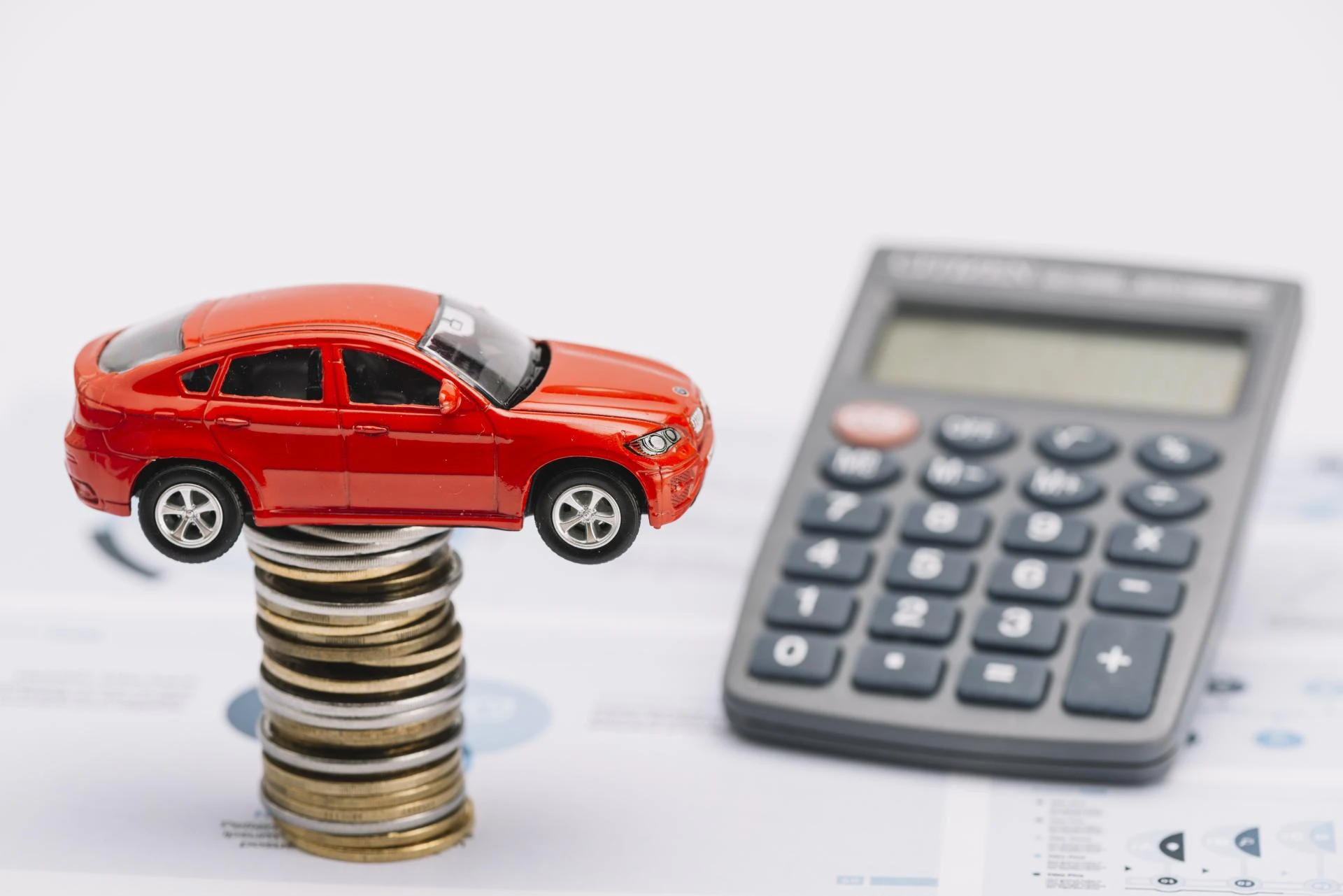
Owning a car is more than just a convenience—it’s a necessity for many people. But the high upfront cost of buying a vehicle can make it out of reach for most. That’s where car financing comes in. Financing allows you to purchase a vehicle by borrowing money and paying it back over time in installments. It’s a common solution that helps millions get on the road without emptying their bank accounts.
But what exactly does it mean to finance a car? And what happens if you want to trade it in before the loan is paid off? Let’s break it down.
What Does It Mean to Finance a Car?
When you finance a car, you're essentially taking out a loan to cover the vehicle’s purchase price. You agree to pay back the amount you borrowed (plus interest) in monthly payments over a fixed period—typically between 3 to 7 years.
The loan can be secured through a bank, credit union, or even directly through a car dealership. Until you finish paying off the loan, the lender holds a legal claim to the vehicle—this is known as a lien. If you fail to make payments, the lender has the right to repossess the car.
Key Elements of Car Financing
Here are the most important parts of any car loan:
- Principal: The amount borrowed.
- Interest Rate (APR): The cost of borrowing, usually based on your credit score.
- Loan Term: The number of months you'll make payments.
- Monthly EMI: What you owe each month, which includes interest.
The better your credit score, the more favorable your loan terms will likely be.
Budgeting Beyond the Loan
Financing spreads out the cost of a car, but it doesn’t reduce it—in fact, you end up paying more overall due to interest. It’s essential to look beyond just the monthly EMI. Consider insurance, fuel, routine maintenance, and any taxes or fees that may apply.
A good rule of thumb is that your total car expenses should not exceed 15–20% of your monthly income. Going beyond that can create financial strain over time.
Thinking About a Trade-In? Here’s What to Know
Many people wonder, can I trade a financed vehicle? The answer is yes, and it’s done more often than you might think. Trading in a car that still has an outstanding loan is possible, but it’s important to understand your equity situation first.
Start by contacting your lender to get your current loan payoff amount. Then, get an appraisal or trade-in offer from a dealership. If the offer is more than what you owe, you have positive equity, and the extra value can go toward your next vehicle. If the loan balance is higher than the trade-in value, you have negative equity, and you’ll need to either pay the difference or roll it into your next loan.
Benefits of Financing a Vehicle
- Makes car ownership accessible: You don’t need to pay the full cost upfront.
- Flexible loan options: Choose terms that fit your income and lifestyle.
- Improves credit history: On-time payments boost your credit score.
- Eventually own the car: Unlike leasing, you own the vehicle once it’s paid off.
What to Watch Out For
- Longer loans = higher overall costs: Even with smaller monthly payments.
- Negative equity risk: Cars depreciate fast—faster than your loan might reduce.
- Early payoff penalties: Some lenders charge fees for paying off your loan early.
- Repossession: Missed payments can lead to losing your vehicle.
Final Thoughts
Financing a vehicle can be a smart way to get the car you need without draining your savings. It offers flexibility, convenience, and the chance to own a better vehicle than you could afford upfront. But like any financial decision, it requires careful planning.































Sign in to leave a comment.