
Cell culture has become an essential part of modern biological research, medical studies, pharmaceutical development, and biotechnology. Whether researchers are studying how cells grow, testing new treatments, or developing vaccines, having the right equipment is just as important as following the correct laboratory procedures.
The containers used to grow and handle cells may look similar at first, but each one is designed for a specific purpose. From a cell culture flask used for expanding cells to specialized plates and dishes for different experiments, choosing the right equipment helps improve workflow and supports reliable research outcomes.
Why Choosing the Right Cell Culture Equipment Matters
Growing cells in a laboratory is very different from storing ordinary laboratory samples. Living cells need the right environment to survive, grow, and multiply. That means researchers must use equipment that provides enough space, supports healthy cell attachment when needed, and allows nutrients and gases to reach the cells efficiently.
Using the wrong type of culture vessel can make experiments more difficult, increase handling time, and affect the consistency of results. Choosing the right equipment from the beginning helps laboratories work more efficiently while making day-to-day procedures easier to manage.
Some factors researchers usually consider include:
- The type of cells being cultured
- The amount of cell growth required
- The purpose of the experiment
- Observation and sample handling needs
- Available laboratory space
Each culture vessel is designed with these different needs in mind.
What Is a Cell Culture Flask?
It is one of the most commonly used pieces of equipment in biological and medical laboratories. It is designed to provide a controlled environment where cells can grow under carefully maintained conditions.
Unlike standard laboratory containers, these flasks are specially manufactured to support cell growth. Many features treated surfaces that encourage cells to attach properly, making them suitable for growing a wide range of adherent cell types. Their angled neck and secure cap also make it easier to add or remove culture media while helping reduce the risk of contamination during routine handling.
Because of their practical design, cell culture flasks are widely used in:
- Medical research laboratories
- Biotechnology companies
- Pharmaceutical research
- University laboratories
- Clinical research facilities
For laboratories that regularly expand cell populations before testing or analysis, a cell culture flask is often the starting point of the workflow.
Understanding Cell Culture Plates
While flasks are commonly used for growing larger volumes of cells, researchers often need to perform several experiments at the same time. This is where cell culture plates become especially useful.
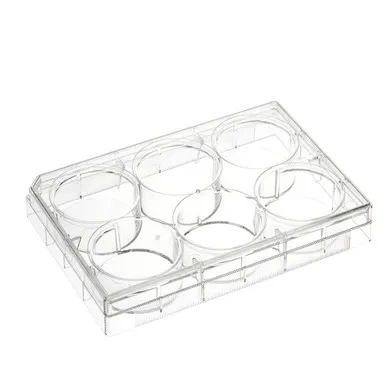
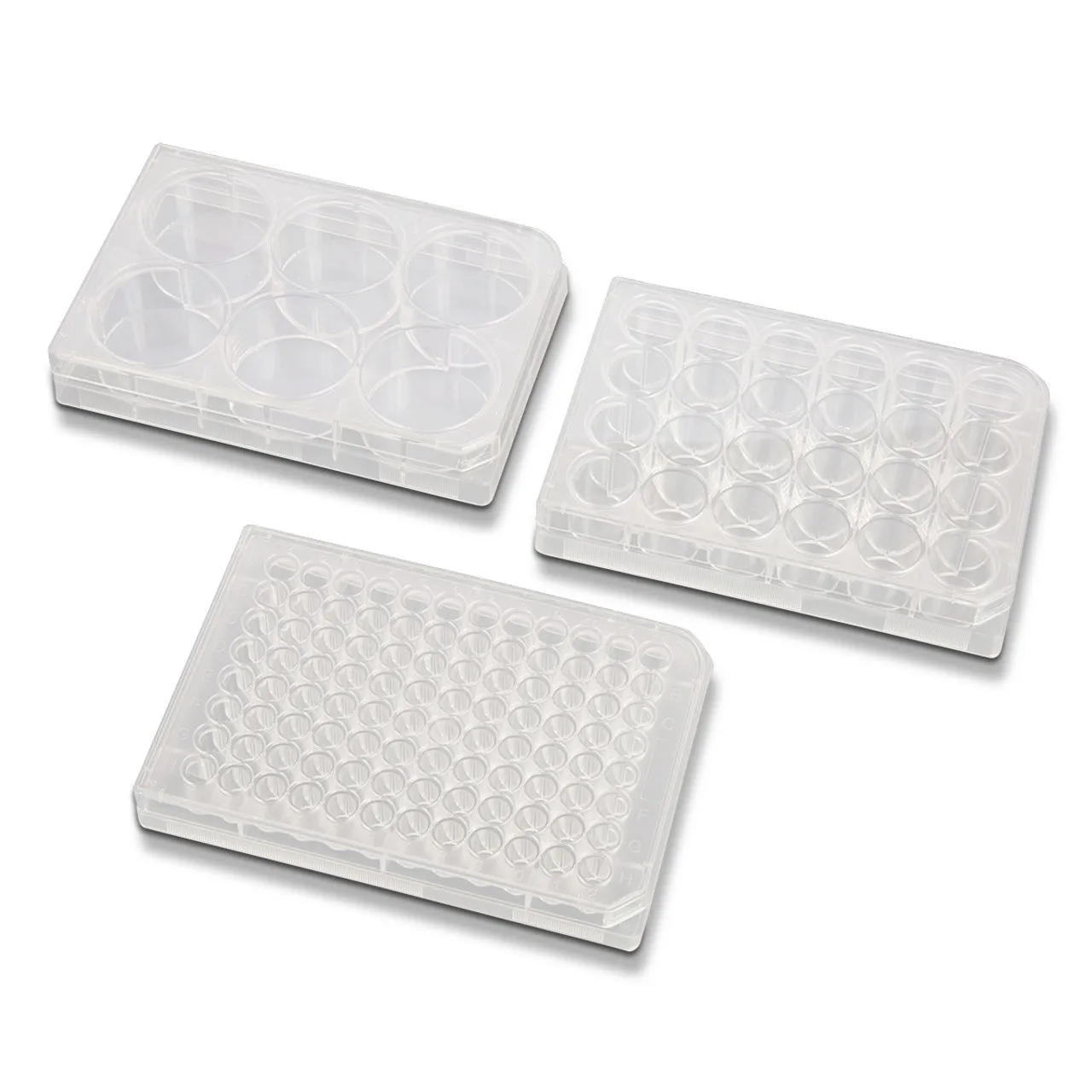
Instead of one large growing area, a plate is divided into multiple wells. Each well acts as its own small culture environment, allowing researchers to test different samples or experimental conditions without needing separate containers.
One commonly used format is the 6-well cell culture plate. As the name suggests, it contains six individual wells, making it ideal for experiments where multiple samples need to be observed under the same conditions while remaining completely separate.
Researchers often choose this format because it allows them to:
- Compare different treatments in one experiment
- Organize samples more efficiently
- Reduce the number of separate containers required
- Perform repeat experiments with greater consistency
This practical layout has made multi-well plates a standard tool in many research laboratories.
Why Do Cell Culture Dishes Come in Different Sizes?
If you've ever looked at laboratory consumables, you've probably noticed that culture dishes are available in a variety of diameters. This isn't simply about offering more options; it allows researchers to choose the right dish for the amount of cells they are working with and the type of experiment they are performing.
When discussing cell culture dishes sizes, it's helpful to think about the scale of the work. Smaller dishes are often suitable for pilot studies or experiments using a limited number of cells, while larger dishes provide more surface area for growing bigger cell populations. Choosing the appropriate size helps researchers use laboratory space more efficiently and ensures cells have the right environment to grow.
The decision usually depends on several factors, including:
- The number of cells being cultured
- The amount of growth surface required
- The volume of culture media needed
- The goals of the experiment
- How often will the cells be observed or handled
Rather than one size being better than another, each dish is designed to support different research needs.
Flask vs. Plates vs. Dishes
Although these laboratory tools all support cell culture, they are designed for different stages of research and serve different purposes.
A cell culture flask is generally used when researchers need to grow and maintain larger numbers of cells over time. Its enclosed design makes it practical for routine cell maintenance and expansion before experiments begin.
Cell culture plates, including the 6-well cell culture, are more suitable when several samples or treatment conditions need to be tested at the same time. Because each well is separate, researchers can compare results within a single experiment while keeping samples organized.
Culture dishes are commonly chosen for experiments that require easy access to the cells or frequent observation under a microscope. Their simple, open design makes handling and monitoring straightforward.
The choice isn't about which vessel is best overall; it's about selecting the one that matches the experiment's objectives.
Final Thoughts
Successful cell culture begins with more than just healthy cells; it also depends on choosing equipment that suits the needs of the experiment. Flasks, plates, and dishes are all designed for different purposes, and understanding how each one is used can make laboratory work more efficient and organized.
Whether expanding cells in a flask, running parallel experiments with a 6-well cell, or selecting the right cell culture dish sizes for a specific application, using the appropriate culture vessel helps create a better environment for research. By understanding the strengths of each option, laboratories can improve their workflows, support consistent results, and make everyday cell culture procedures easier to manage.




























Sign in to leave a comment.