

Climate change is one of the most important challenges of our time. Scientists warn us of increasing temperatures, melting ice caps, and extreme weather events. But sometimes numbers and charts don't quite do the job to convince people that there is urgency to the crisis. This is where art about climate change comes in. Visual storytelling allows us to connect emotionally with the environment and inspires action.
In this blog, we will explore how artists, especially Eric Hatch, use creative work to highlight climate issues, and how platforms like Hatch Photo Artistry are communicating these messages to a broader audience.
Why Art Matters in Climate Change Awareness
Traditional reports and scientific studies are important sources of data, but humans are emotional beings. Art can communicate the impacts of climate change in a way that gets deep inside. For example:
- Photographs of melting glaciers show the tangible effects of global warming.
- Paintings of flooded cities illustrate what the future might look like if we do not act.
- Installations using recycled materials highlight waste and sustainability issues.
By making scientific facts into experiences we can see and feel, art makes climate change more relatable. This emotional connection often encourages people to make environmental choices.
Eric Hatch: Capturing the Climate Crisis Through Photography
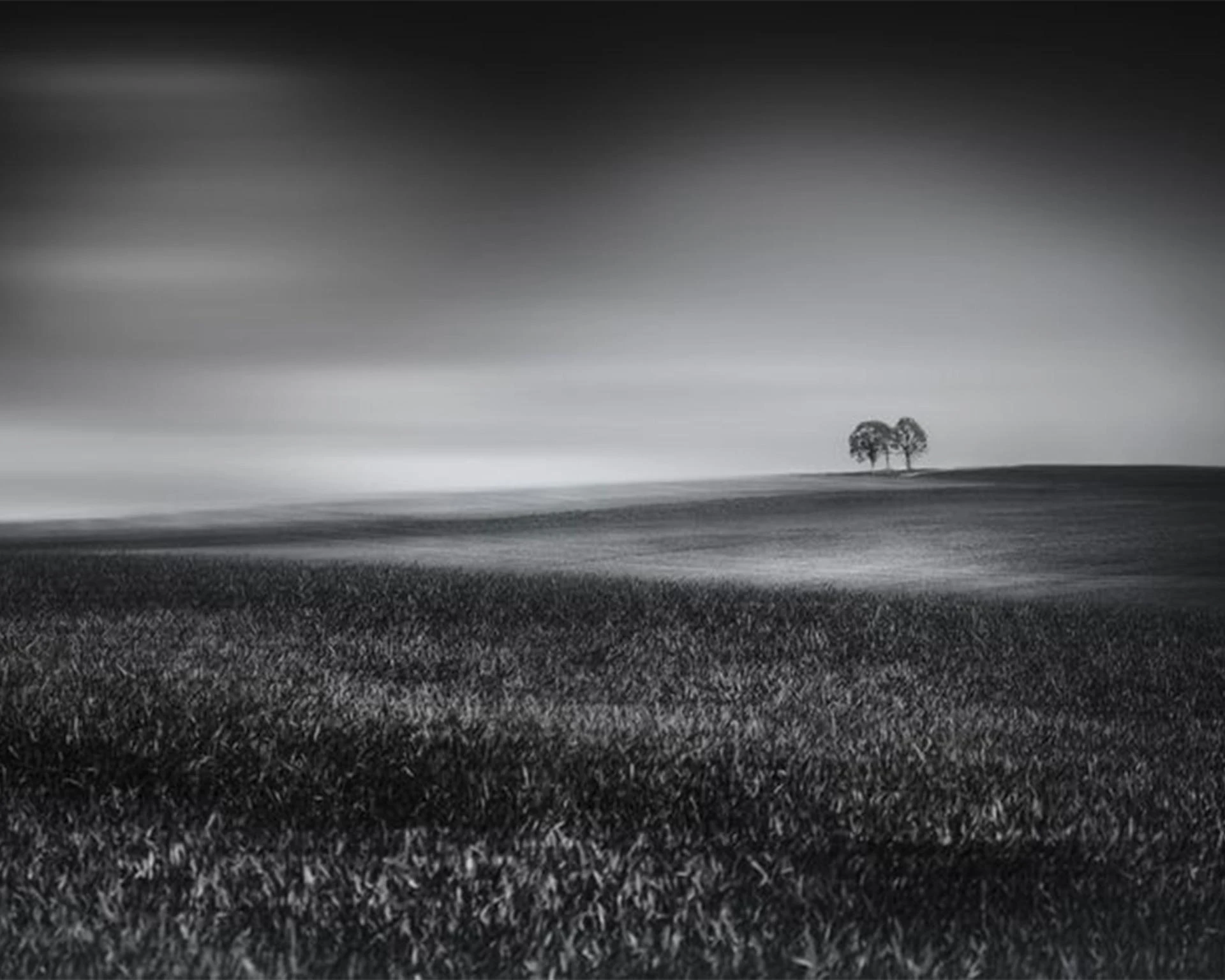
One of the very notable artists who is addressing the issue of climate change today is Eric Hatch. His work deals with the intersection between nature, human activity and environmental change. Using photography as his main medium, Hatch creates memorable images of landscapes that are being affected by climate emergencies - melting ice fields and deforested land.
Eric thinks that seeing the environment in all its beauty and in all its threat is important to make people see what is at stake. His photographs often contain subtle narratives, challenging the viewer to consider their own impact on the planet.
Hatch’s collaboration with platforms like Hatch Photo Artistry ensures that these stories reach an audience hungry for beauty and also meaning in art. The platform gives the opportunity to view a collection of works that not only inspire but are also educative on environmental issues.
How Art Can Influence Action
Art about climate change is not just decorative—it can be transformative. Here’s how:
- Raising Awareness: People may ignore scientific data, but images and creative works draw attention instantly.
- Changing Perceptions: Artistic interpretations can shift public perception, making climate change a more personal concern.
- Encouraging Behavior Change: Emotionally compelling artwork often motivates viewers to adopt sustainable practices.
- Fostering Dialogue: Exhibitions and installations provide spaces for conversation about climate solutions.
By combining the power of scientific knowledge with the emotional engagement made possible by artists such as Eric Hatch, a very important link is formed in the battle against environmental deterioration.
The Impact of Visual Storytelling
Visual storytelling is a global language. People of varying cultures and backgrounds can follow the message without having to use scientific jargon. Some of the ways that artists use this approach are:
- Time-lapse Photography: Shows glaciers or forests over decades to visualize change.
- Mixed Media Installations: Combines natural elements with man-made materials to symbolize environmental stress.
- Interactive Exhibits: Invites viewers to participate, making the experience personal.
Through these techniques art helps communities to understand the enormity of climate issues in a way that words cannot.
Eric Hatch’s Philosophy on Art and Environment
Often Eric Hatch emphasizes on the fact that art is a responsibility as much as a form of expression. In his talks and exhibitions, he observes that:
"Art is not a matter of creating something beautiful; it is a matter of telling a story that is important."
This is the principle behind Hatch's work, a blend of visual appeal and a strong message. By playing on the beauty and the fragility of nature, his photography makes a lasting impression on the viewer.
Exploring Climate Change Through Hatch Photo Artistry
Hatch Photo Artistry is a platform that showcases visual stories, including Eric Hatch’s work on environmental themes. The platform enables artists and audiences to connect with each other around the shared concerns of climate change. It is also a place of curation where:
- Viewers can explore unique photography collections.
- Artists can share their environmental narratives.
- Communities can engage in climate-focused dialogue.
This in turn facilitates people's access to thought-provoking content that leads to reflection and action.
How You Can Support Art About Climate Change
Helping artists such as Eric Hatch is one of the best ways to promote climate awareness. Here are a few steps:
- Visit Exhibitions and Online Platforms: Explore works that focus on environmental issues.
- Share Artwork on Social Media: Help these messages reach a broader audience.
- Engage in Discussions: Talk about the meaning behind the artworks to encourage awareness.
- Support Sustainable Practices: Apply the lessons learned from art in daily life.
Even small actions can help to have a consequential effect on these visual stories.
Conclusion
Art about climate change is more than a creative expression—it’s a vital tool for raising awareness and inspiring action. Artists such as Eric Hatch show that photography and visual storytelling can convey powerful messages about the environment in an emotional way. Platforms like Hatch Photo Artistry create a platform where these significant works can be exhibited, and artists and audiences engaged in a common cause for the sake of the planet
Through art, we can experience, see and learn about the realities of climate change and be inspired to take action. As more and more people are involved with these stories, the combination of emotion, knowledge and action is a powerful force for the future of our planet.




























Sign in to leave a comment.