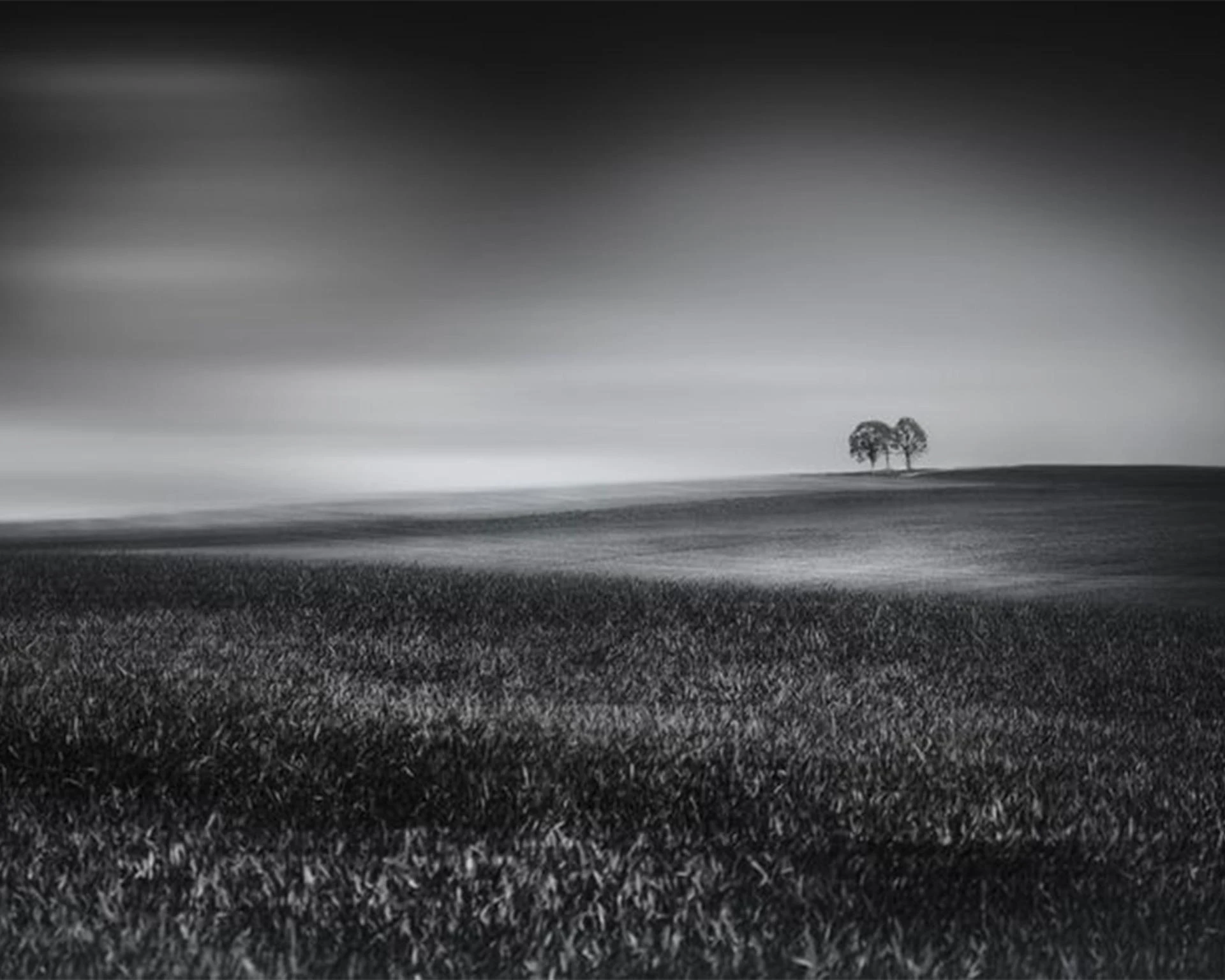

There's a moment between a snapshot and a photograph - a moment that defines a photograph as a mix of good technical skill and good creative vision. That moment is photographic artistry, and it's what transforms a simple image into something that speaks to our souls.
In a world where everyone carries a camera in their pocket, the distinction between casual photography and true photographic artistry has never been more important. It's not about possessing the fanciest equipment and the latest editing software. Instead, it's about knowing how to view the world in a way that involves meaning, emotion and intentionality. Whether it's capturing the subtle interplay of shadows across a face or composing a landscape that tells a story, photographic artistry is the bridge between what we see and what we feel.
But here's the thing—photographic artistry isn't just for galleries and museums, though it absolutely belongs there. It's a philosophy that puts a higher value on the way that we view and conserve the world around us. In this guide, we'll explore what makes photographic artistry truly special, how it influences fine art photography for museums, and why investing in quality artistic photography matters more than ever.
What Defines Photographic Artistry?
At its core, photographic artistry is about intention. It's the conscious decision to move past documentation and into interpretation. When a photographer practices true photographic artistry, they're asking themselves deeper questions: What am I trying to convey? How can light be used to tell the story? What emotions should such an image evoke?
This method is fundamentally different than normal photography. While conventional photography often aims to accurately represent reality, photographic artistry uses reality as a starting point—and then transforms it. It's the difference between shooting a picture of a forest and building an image that makes those viewing it feel the isolation and majesty of ancient woods.
The technical foundations are important, no doubt. Understanding exposure, composition, color theory and lighting are the necessary building blocks. But these are mere tools in the hands of an artist. What separates true photographic artistry is the vision—that unique perspective that only comes from years of practice, experimentation, and a genuine passion for the craft.
The Role of Fine Art Photography for Museums
Museums are places where we find sanctuaries of culture in the best that humanity has to offer. When fine art photography for museums enters these hallowed spaces, it represents a significant evolution in how we preserve and celebrate visual culture.
Fine art photography for museums demands a different standard. These aren't photographs designed to be scrolled past on one's social media or printed in a greeting card. They're supposed to command attention in carefully designed galleries, to be studied and contemplated, to stand along with paintings and sculptures as a legitimate art expression. That's why institutions are increasingly recognizing fine art photography for museums as essential to their collections.
What makes fine art photography for museums distinctive is its permanence and depth. Museum photographers go about their business knowing that their images may be seen by millions of people over the course of decades. This responsibility influences all of it - from the materials, printing methods and subjects chosen, down to the thoughts behind each series. The work must transcend trends in order to say something timeless about the human experience.
The curation of fine art photography for museums also reflects how seriously the art world now takes the photographic medium. No longer relegated to documentary or commercial use, photography has itself earned its status as one of the primary artistic languages - one that museums everywhere are zealous to display and preserve for future generations.
The Technical Mastery Behind Artistic Vision
Let's say a little bit about the craft for just a minute though. While photographic artistry is deeply conceptual, it's also grounded in technical excellence. And you can't separate good art from good craft.
Consider lighting—perhaps the most fundamental element of photographic artistry. A master of photographic artistry understands how light shapes form, creates mood, and guides the viewer's eye through an image. They are aware of the difference between harsh midsun and the warm glow of golden hour. They know how shadows can be as important as highs and how reflection and refraction can help to add layers of meaning to a composition.
Then there's composition, the strategic arrangement of elements in the frame. The rule of thirds, leading lines, framing, and negative space aren't arbitrary guidelines—they're tools that masters of photographic artistry use to create visual harmony and direct attention. When these elements work together, the image is inevitable, as if it could only be this way.
Color and post-processing need to be mentioned as well. Modern photographic artistry often includes thoughtful editing—not heavy-handed manipulation, but rather enhancing the photographer's vision. Whether working with film or digital, whether working in color or black and white, from behind the camera, the final image can often be as much formed in the editing process as it is on camera.
Building Your Own Photographic Artistry
If you're drawn to photographic artistry, whether as a creator or an enthusiast, the journey doesn't require starting from scratch. The following are some of the foundational principles:
Study the Masters Spend time with the work of photographers that have mastered their craft Look at the way Anselm Adams composed his landscapes, the way Diane Arbus found humanity in her subjects, the way Sebastiao Salgado creates story with portraiture. Understanding what makes their work so powerful teaches you what is possible.
Experiment Relentlessly: Photographic artistry requires experimentation. Experiment with various angles, lightings and subjects. Not every shot is going to be a success, that is the point. Failure is a component of the learning process.
Develop Your Visual Language Over the course of time, your individual perspective will come out. The things that fascinate you, the aesthetic tastes that seem natural, those stories you wish to tell - this all coalesces into a recognisable style. This is what distinguishes the artistry from the technique.
Understand Your Equipment: Whether you're shooting with a smartphone or a professional camera, understand your equipment inside out. Understanding your equipment's ability and its limitations helps you to make conscious creative decisions as opposed to fighting against your gear.
Why Fine Art Photography for Museums Matters Now
We live in an increasingly visual culture. Yet paradoxically, we're drowning in mediocre images. Fine art photography for museums serves as an antidote—a reminder that photographs can be thoughtful, profound, and transformative.
Museums recognize this. They're actively seeking out contemporary photographers who practice photographic artistry at the highest level. These institutions understand that supporting fine art photography enriches their collections and provides a platform for visual voices that might otherwise be overlooked.
For collectors and institutions looking to invest in meaningful work, platforms like Hatch Photo Artistry represent a new generation of photographers committed to elevating the medium. These are artists who understand that photographic artistry isn't about trends—it's about creating work that endures.
Finding Inspiration in Professional Artistry
Seeing photographic artistry in action can be incredibly inspiring. When you're exposed to really exceptional work, it changes your point of view on what's possible. That's why exploring curated collections of fine art photography for museums is such a valuable exercise.
If you're seeking examples of contemporary photographic artistry, visit Hatch Photo Artistry's featured gallery to see how modern photographers are pushing the boundaries of the medium. These collections showcase the intersection of technical mastery and creative vision—the exact definition of photographic artistry we've been discussing.
The Future of Photographic Artistry
As technology continues to evolve, photographic artistry faces both opportunities and challenges. Digital tools have democratized photography and have made photography more accessible than ever. Simultaneously, this accessibility has increased the bar of what is considered meaningful artistic work. True photographic artistry now means offering something beyond what algorithms and filters can produce—it requires genuine human insight and creativity.
The future of photographic artistry also involves environmental consciousness and ethical representation. Many current practitioners are using their art as a way to approach the topics of climate change, social justice and cultural preservation. This expansion of what photographic artistry can address is vital for the medium's continued relevance.
Conclusion: Recognizing the Art in Photography
Photographic artistry represents photography at its highest potential—where technique, vision, and intention converge to create something meaningful. Whether you're encountering fine art photography for museums or discovering emerging artists, you're witnessing a medium that continues to evolve and challenge our understanding of art itself.
The photographers practicing true photographic artistry today are the ones asking questions and taking risks. They're the ones who look past the obvious and possess the talent to make a visual representation of it. Whether you're an aspiring photographer, an art collector, or simply someone who appreciates beautiful work, photographic artistry reminds us that photographs can be far more than documentation—they can be poetry.
When you're ready to explore photographic artistry at its finest, remember that excellence in this field doesn't happen by accident. It's the product of passion, practice and an unquenchable dedication to the craft. That's what you'll find when you explore the work of dedicated practitioners who've made photographic artistry their life's calling.





























Sign in to leave a comment.