
Many industries rely on separation systems to keep materials clean and equipment protected. Metal contamination causes damage, delays, and safety risks. This is why magnetic separators are used across mining, recycling, food handling, and manufacturing environments. These systems remove unwanted metal from material streams before it creates problems further down the line.
Magnetic separation works by attracting ferrous material away from non-metal products. The process is simple in principle. The application depends on layout, material type, and operating conditions. Choosing the correct system improves uptime and protects machinery.
Conveyor-Based Separation Systems
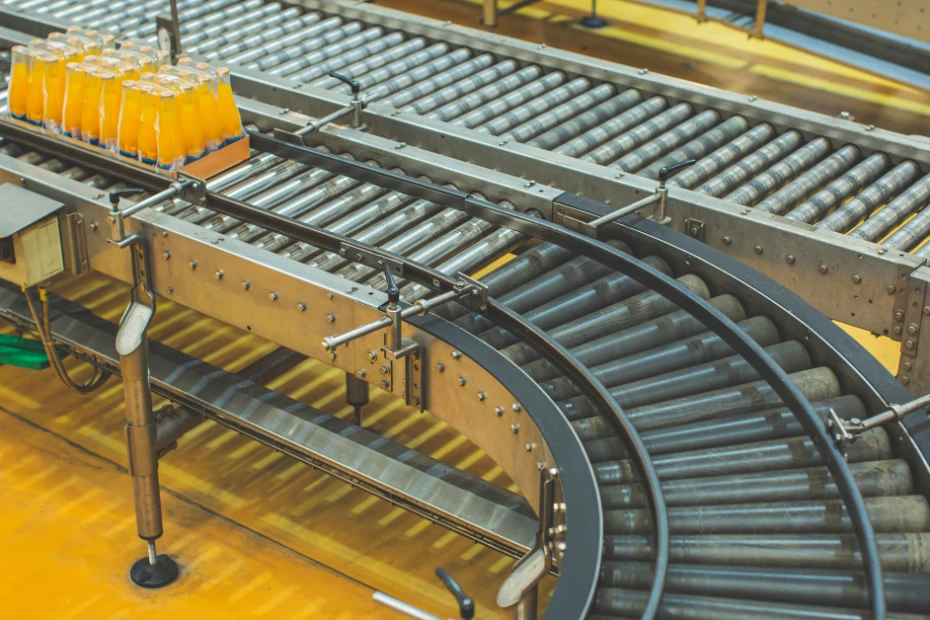
Material handling often relies on belts and rollers. Magnetic separator conveyor belts are designed to remove metal while material moves along a belt. These systems reduce stoppages and protect crushers, grinders, and screens.
A magnetic conveyor system fits directly into existing production lines. It removes metal without slowing down output. This keeps processes steady and predictable.
A conveyor magnetic separator sits above or below the belt depending on the application. Placement depends on material depth and metal size. Correct placement improves capture rates.
Drum-Based Separation Equipment
Rotating drums provide steady separation for bulk material. A magnetic drum separator uses a fixed magnetic field inside a rotating shell. As material passes over the drum, ferrous metal sticks to the surface before dropping into a separate chute.
A wet drum magnetic separator works in slurry or liquid-based systems. This is common in mineral processing where water forms part of the process flow.
A drum type magnetic separator suits continuous operations that need consistent separation without manual intervention. These units handle high volumes with stable performance.
High and Low Intensity Separation
Different materials require different magnetic strengths. A high intensity magnetic separator removes weakly magnetic materials. This suits applications where fine metal particles are present.
A low intensity magnetic separator focuses on strongly magnetic materials like iron. These systems are common in mining and bulk material handling.
Matching intensity to material type avoids energy waste and improves efficiency.
Overbelt and Suspended Systems
Large conveyors often use overhead magnets. An overbelt magnet sits above the belt and pulls metal away from the main material flow. These units suit high-volume environments.
A suspended electromagnet uses electrical power to generate magnetic force. Operators control strength based on the application. This flexibility supports variable material loads.
Pulley and Roller Solutions
Some systems integrate magnets into existing conveyor parts. A magnetic head pulley replaces the standard pulley at the end of a conveyor. Metal separates as material leaves the belt.
A magnetic pulley separator offers a compact option where space is limited. It performs separation without additional support structures.
A magnetic roller separator handles fine material where precision matters. This system works well in recycling and processing lines.
A magnetic roller conveyor combines movement and separation into one unit. This reduces the need for extra equipment.
Industrial Applications and Protection
Heavy-duty operations rely on industrial magnetic separators to protect assets. Crushers, mills, and screens suffer damage when metal enters the system. Separation reduces repair costs and downtime.
A magnetic dirt separator removes metal debris from fluids and powders. This supports cleaner output and protects pumps and valves.
A Magnetic separator for belt conveyor suits continuous operations where stopping production is not an option.
Cost and Supply Considerations
Buyers often ask about magnetic conveyor belt price. Pricing depends on size, strength, duty cycle, and installation requirements. Long-term savings often outweigh upfront costs.
Working with experienced magnetic separation equipment suppliers helps buyers select the right solution. Equipment selection affects performance and maintenance needs.
A reliable magnetic separator manufacturer focuses on build quality, support, and system matching rather than generic designs.
Practical Use in Daily Operations
Separation systems work quietly in the background. Operators notice the benefit when breakdowns decrease and product quality improves. One processing plant reduced equipment damage after installing a drum-based system. Another facility improved recycling output using a roller separator.
These improvements came from choosing systems suited to the material flow rather than forcing a standard option into place.
Planning for Long-Term Performance
Good separation planning looks at material type, belt speed, and maintenance access. Systems should integrate into existing layouts without major changes.
Maintenance teams benefit from simple designs that allow easy cleaning and inspection. This keeps systems running without long stoppages.
Magnetic separation remains a practical solution across many sectors. Correct selection supports safety, efficiency, and equipment life.
































Sign in to leave a comment.