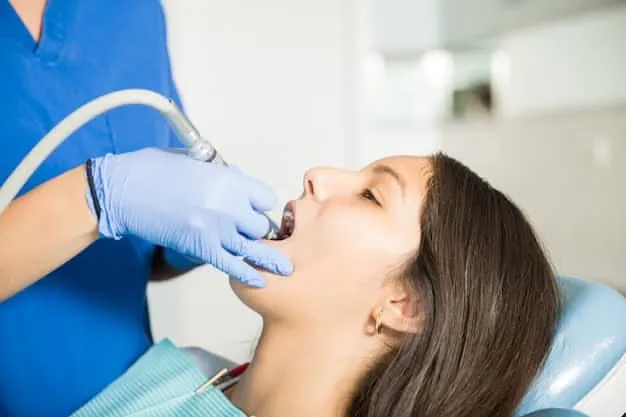

Modern dentistry continues to embrace innovative technologies that enhance patient care, improve treatment outcomes, and support long-term oral health. As dental professionals seek effective ways to complement traditional procedures, many advanced techniques have emerged to assist in preventive and restorative care. Among these developments, ozone therapy has gained increasing attention for its role in supporting a wide range of modern dental treatments. Its versatility and ability to complement existing dental procedures have made it an important topic of interest within contemporary oral healthcare.
Patients today are more informed about treatment options than ever before and often seek approaches that promote comfort, efficiency, and overall wellbeing. Advances in dental technology have created opportunities to improve patient experiences while maintaining high standards of care. As awareness continues to grow, ozone-based applications are becoming an increasingly recognised component of modern dentistry.
What Is Ozone Therapy in Dentistry?
Ozone is a naturally occurring form of oxygen that has been explored in various healthcare settings for its supportive properties. Within dentistry, it is used as part of selected treatments to assist dental professionals in promoting healthier oral environments. The application methods may vary depending on the specific treatment objectives and clinical requirements.
Many patients become interested in ozone therapy because it represents an innovative addition to modern dental care. Dental professionals utilise carefully controlled ozone applications as part of comprehensive treatment plans designed to support oral health goals. Its integration into dental procedures reflects the broader trend towards incorporating advanced technologies into patient care.
Supporting Preventive Dental Care
Preventive dentistry focuses on maintaining oral health and addressing concerns at an early stage whenever possible. Regular examinations, professional hygiene care, and patient education all contribute to this proactive approach. New technologies are often adopted when they can enhance preventive strategies and improve overall outcomes.
Ozone therapy is increasingly incorporated into preventive dental care because it can complement existing oral health measures. By supporting a cleaner oral environment, it assists practitioners in promoting healthier teeth and gums. This preventive focus aligns with the broader goal of reducing the likelihood of more extensive treatment requirements in the future.
Enhancing Modern Treatment Approaches
Contemporary dental care often combines traditional expertise with advanced technology to provide effective and patient-focused solutions. Innovations that improve precision, efficiency, and patient comfort are particularly valued within modern clinical settings. These developments continue to shape the future of oral healthcare.
The growing use of ozone therapy reflects the desire to enhance existing treatment methods rather than replace them. Dental professionals may incorporate ozone-based techniques alongside conventional procedures to support treatment objectives. This integrated approach allows patients to benefit from both established practices and modern technological advancements.
Supporting Oral Health and Patient Comfort
Patient comfort remains an important consideration throughout every stage of dental care. Individuals are more likely to engage in regular dental visits when treatments are delivered in a supportive and reassuring manner. Technologies that contribute to a positive treatment experience are therefore highly valued.
Many patients appreciate the role ozone therapy can play within modern dental care because it complements a patient-centred approach. When incorporated appropriately into treatment plans, it supports the overall objective of maintaining healthy oral tissues while contributing to a comfortable dental experience. This focus on wellbeing is an important aspect of contemporary dentistry.
The Role of Innovation in Dentistry
Advances in dental science continue to introduce new tools and techniques that help practitioners deliver high-quality care. Innovations are carefully evaluated and integrated into practice when they demonstrate value in supporting oral health and treatment outcomes. These developments contribute to ongoing improvements across the profession.
Ozone therapy represents one example of how innovation is influencing modern dentistry. As dental professionals continue to explore effective ways to support patient care, technologies that complement preventive and restorative treatments are likely to remain important. The incorporation of advanced solutions reflects the profession’s commitment to continual improvement and patient wellbeing.
Looking Towards the Future of Dental Care
The future of dentistry is expected to involve an even greater emphasis on prevention, personalised treatment, and advanced technology. Patients increasingly seek care that supports both immediate needs and long-term oral health objectives. This trend is driving continued interest in innovative approaches that enhance treatment experiences.
As awareness of ozone therapy continues to grow, its role within modern dental care is likely to expand further. Ongoing developments in dental technology and clinical practice may create additional opportunities for its use as part of comprehensive treatment planning. Its ability to support modern dental procedures positions it as a valuable component of evolving oral healthcare strategies.
Final Thought
Understanding how ozone therapy supports modern dental treatments provides valuable insight into the evolving nature of contemporary oral healthcare. By complementing preventive and restorative procedures, supporting patient comfort, and contributing to innovative treatment approaches, ozone therapy continues to attract interest within the dental profession. As technology advances and patient expectations evolve, it is likely to remain an important part of modern dentistry’s commitment to effective, patient-focused care.

























Sign in to leave a comment.