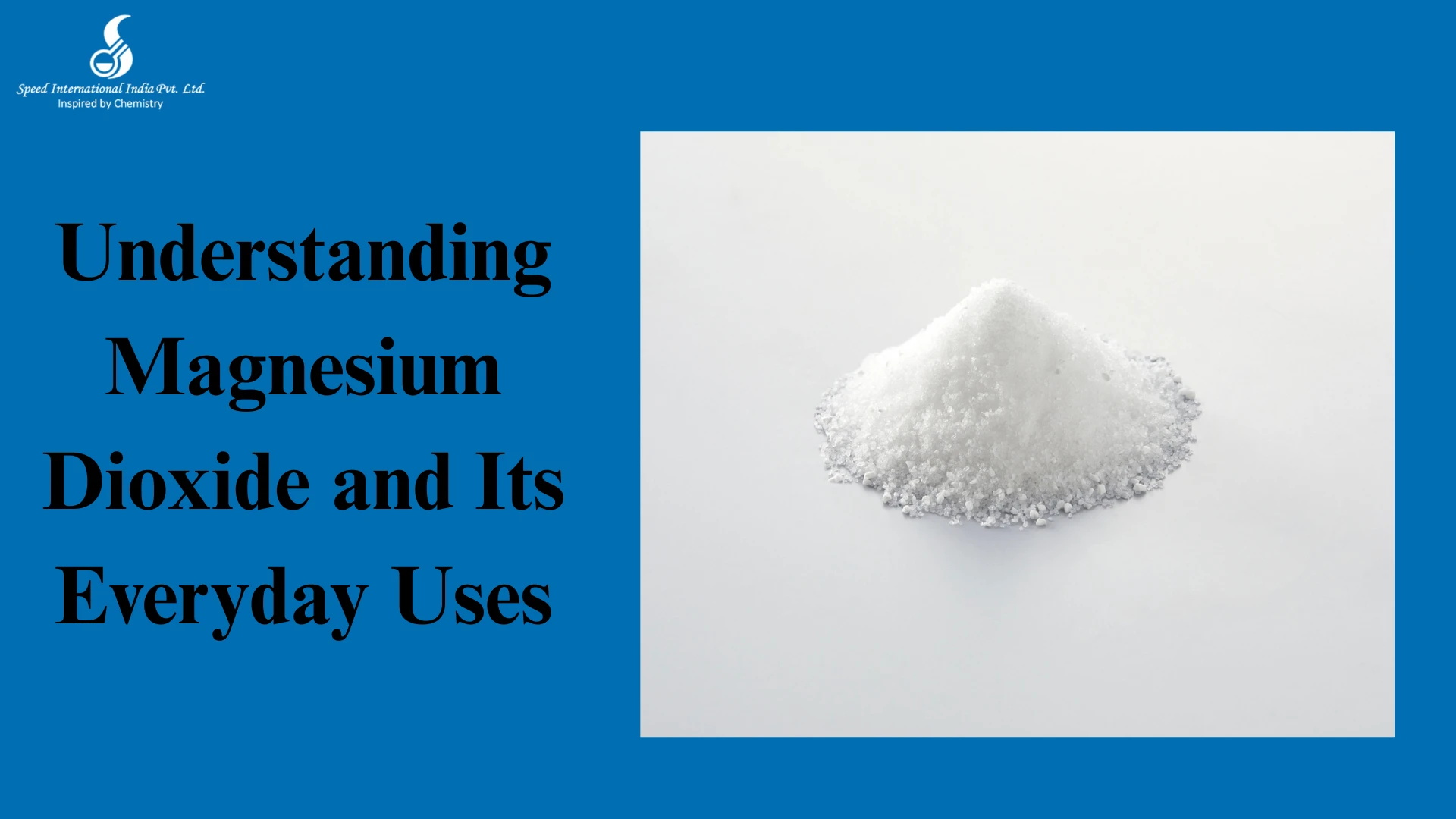

What Is Magnesium Dioxide?
Magnesium dioxide, often referred to by its chemical formula MgO₂, is a white, inorganic compound composed of magnesium and oxygen. Magnesium dioxide is distinct from magnesium oxide (MgO) due to its higher oxygen content and reactive properties. This compound exists as a crystalline powder and is recognized for its strong oxidizing characteristics, making Magnesium dioxide useful across multiple industries.
Chemical Properties and Composition of Magnesium Dioxide
Magnesium dioxide is composed of:
- Magnesium ions (Mg²⁺)
- Peroxide ions (O₂²⁻)
This formulation renders magnesium dioxide chemically unstable compared to MgO, as it releases oxygen easily when subjected to heat or other triggers. Its structure is reactive, and it decomposes readily, producing oxygen gas (O₂) and magnesium oxide.
Key Physical Characteristics:
- Appearance: White to off-white crystalline powder
- Molecular Weight: 56.31 g/mol
- Solubility: Insoluble in water, but reacts with acids
- Decomposition Temperature: Approx. 300°C
Production Methods of Magnesium Dioxide
There are several ways magnesium dioxide can be synthesized:
- Oxidation of magnesium compounds: Heating magnesium hydroxide or magnesium carbonate in an oxygen-rich environment.
- Reaction with hydrogen peroxide (H₂O₂): Reacting magnesium salts like magnesium sulfate with hydrogen peroxide under controlled pH and temperature conditions.
These methods are tailored depending on whether the end-use is for industrial application, pharmaceuticals, or chemical synthesis.
Industrial Applications of Magnesium Dioxide
1. Catalyst in Chemical Reactions
Magnesium dioxide serves as an oxidizing agent in several organic and inorganic chemical reactions. Due to its oxygen-rich composition, it is employed in oxidation processes, particularly in the manufacturing of fine chemicals and pharmaceutical intermediates.
2. Electronics and Battery Industry
The electronic sector uses magnesium dioxide in the production of semiconductors and cathode materials for batteries. Its high thermal stability and electrochemical properties make it valuable in solid-state devices, especially magnesium-air batteries.
3. Water Treatment and Filtration
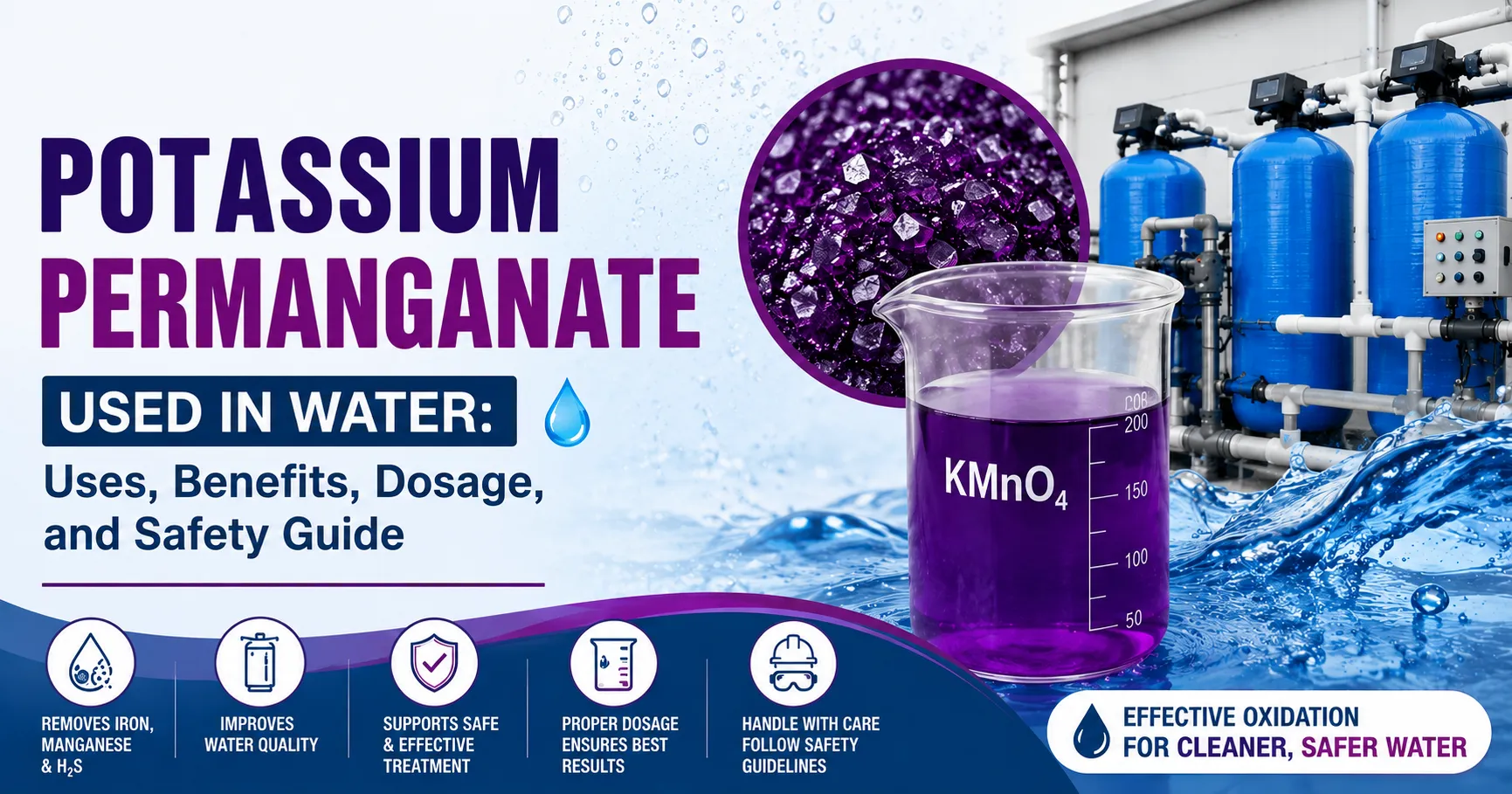
Magnesium dioxide is used as a filtration medium to remove iron, manganese, and hydrogen sulfide from water. Its reactive surface allows it to oxidize contaminants, converting them into insoluble particles that can be filtered out easily.
4. Agricultural Use
It is applied as a soil conditioner and nutrient supplement. While magnesium oxide is more common, magnesium dioxide plays a role in enhanced soil oxygenation and in slow-release fertilizer technologies, where controlled oxygen release is beneficial to soil microbial activity.
Magnesium Dioxide in Consumer Products
1. Cosmetics and Personal Care
In cosmetics, magnesium dioxide is used for its absorbent and whitening properties. It is added to powder formulations, including:
- Face powders
- Foundations
- Sunscreens
Its function is not only to provide a matte finish but also to absorb excess oil and stabilize emulsions.
2. Food Industry Uses
Magnesium dioxide acts as an anti-caking agent and whitener in select processed foods. Its inertness and stability under heat make it suitable for use in:
- Powdered spices
- Salt blends
- Dry beverage mixes
It helps maintain product texture and flowability, especially in humid conditions.
3. Health and Supplement Industry
Although magnesium oxide is the more common form in supplements, magnesium dioxide is researched for controlled oxygen release in medical oxygen therapy or oxygen-enriched supplements. Its potential lies in oxygen-releasing capsules and biomedical applications, particularly for oxidative therapies.
Magnesium Dioxide in Environmental Applications
1. Remediation of Contaminated Soil
Due to its reactive oxygen potential, magnesium dioxide is used in soil remediation to oxidize hydrocarbons, pesticides, and other organic pollutants. It transforms harmful chemicals into less toxic substances through oxidative breakdown.
2. Odor Control and Air Purification
Magnesium dioxide is effective in removing sulfurous odors and volatile organic compounds (VOCs). Its presence in air filters and odor-absorbing materials helps improve air quality, especially in wastewater treatment plants, landfills, and industrial facilities.
Safety and Handling of Magnesium Dioxide
Magnesium dioxide is generally safe to handle but requires careful storage and controlled conditions during use due to its oxidizing nature.
Safety Measures:
- Store in cool, dry, and ventilated areas
- Avoid contact with acids and organic materials
- Use personal protective equipment (PPE) when handling
Potential Hazards:
- May cause skin or eye irritation
- Can release oxygen gas upon decomposition, which could intensify fires if near combustible materials
Future Prospects and Research
Ongoing research continues to explore magnesium dioxide’s potential in areas such as:
- Green energy storage
- Controlled oxygen delivery systems
- Catalysis for environmental cleanup
Its unique combination of oxygen-rich structure and reactivity positions it as a critical material in the next generation of sustainable technologies.
Conclusion
Magnesium dioxide, though lesser-known than its counterpart magnesium oxide, plays a vital role across multiple sectors—from industrial catalysts to consumer products and environmental management. Its oxidizing capability, thermal stability, and functional versatility make it an indispensable material in both traditional applications and emerging innovations.






























Sign in to leave a comment.