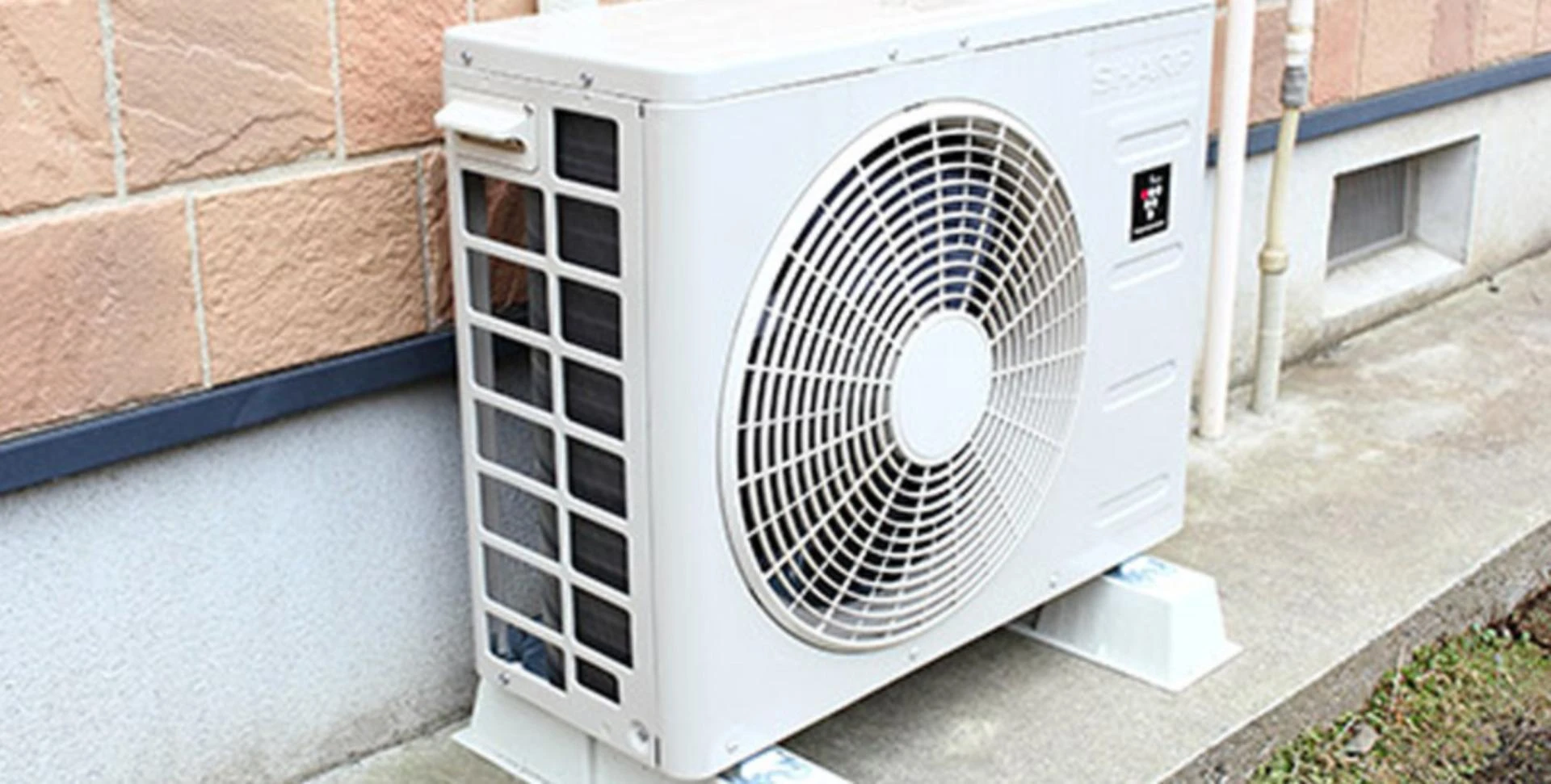

Risk-based maintenance is a proactive, strategic approach to HVAC care that focuses on preventing system failures before they happen. Instead of waiting for problems to arise or adhering to a one-size-fits-all maintenance schedule, risk-based maintenance tailors service to the specific condition and risk level of your HVAC system. This method considers factors like the age of the system, usage patterns, previous issues, and manufacturer recommendations to determine when and how often maintenance should occur. At Anderson Air, we advocate for this smarter approach to help homeowners and businesses maintain comfort while saving money and reducing downtime.
Why Choose Risk-Based Maintenance?
Traditional maintenance models often rely on fixed schedules that don’t account for how individual systems are used. For example, two homes with the same HVAC unit could experience very different wear and tear depending on their size, climate, insulation, and usage habits. Risk-based maintenance addresses these differences by focusing on equipment performance and risk indicators.
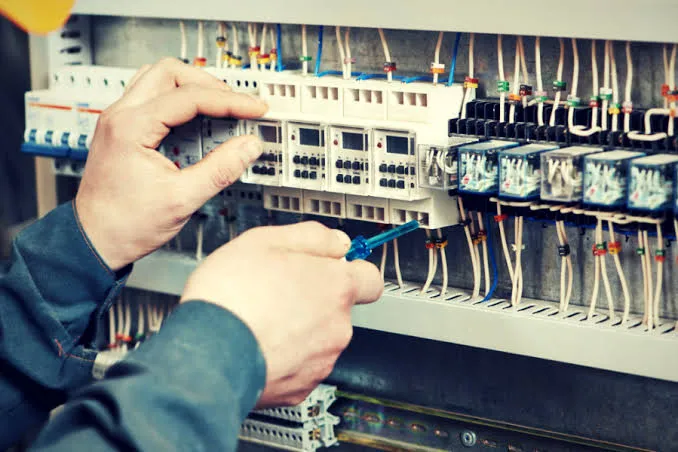
With risk-based maintenance, regular system inspections are performed by trained HVAC technicians who analyze the system’s performance data, check for warning signs, and evaluate the overall condition. This enables the technician to make informed decisions about what needs servicing and when. By intervening only when necessary, you avoid unnecessary service costs while preventing costly failures caused by neglect or late response.
What’s Involved in Risk-Based Maintenance?
There are two primary goals of risk-based HVAC maintenance:
- Preventive Detection: Identifying early signs of wear, inefficiency, or malfunction that could lead to system breakdowns.
- Maintenance Optimization: Determining the ideal frequency and type of maintenance each part of the system requires based on historical performance and current condition.
A typical risk-based maintenance plan includes:
- Regular performance assessments
- System diagnostics and data analysis
- Component-specific inspections (motors, coils, compressors)
- Adjustments to pressure, airflow, and thermostat calibration
- Forecasting future maintenance needs
The insights gained from these evaluations help technicians recommend timely repairs or replacements before small issues become major problems.
Benefits of Risk-Based HVAC Maintenance
1. Cost Savings:
By avoiding unnecessary maintenance and catching issues early, you save money on repairs and energy bills.
2. Longer Equipment Life:
Routine checkups and timely fixes reduce wear and tear, extending the lifespan of your HVAC unit.
3. Improved System Efficiency:
Clean, well-maintained components ensure your system runs at peak performance, improving indoor comfort and reducing utility costs.
4. Less Downtime:
Fewer breakdowns mean less time without heating or cooling, especially during extreme weather conditions.
5. Peace of Mind:
Knowing that your system is being monitored and maintained with precision lets you relax, confident it’s in expert hands.
Final Thoughts
If you’re looking for a smarter way to maintain your HVAC system, consider implementing a risk-based maintenance plan. Look for HVAC maintenance services in Springdale, AR for comprehensive HVAC solutions, including tailored maintenance strategies that prioritize performance, efficiency, and long-term savings. With the right care, your system can run smoothly for years—saving you time, money, and stress.


























Sign in to leave a comment.