Charlotte, North Carolina, is not only known for its bustling economy and vibrant culture but also for its unique tax structure. Whether you are a resident, a business owner, or a visitor, understanding the sales tax in Charlotte NC is crucial to navigating purchases and managing finances effectively. This guide will break down everything you need to know about sales tax, including rates, exemptions, and practical tips for handling taxes in the Queen City.
What is Sales Tax?
Sales tax is a percentage added to the price of goods and services at the point of sale. It is collected by retailers and sent to the government to fund public services such as schools, roads, and healthcare. In Charlotte, sales tax is applied to most tangible personal property, certain services, and digital products, although some items may be exempt.
Sales Tax Rates in Charlotte, NC
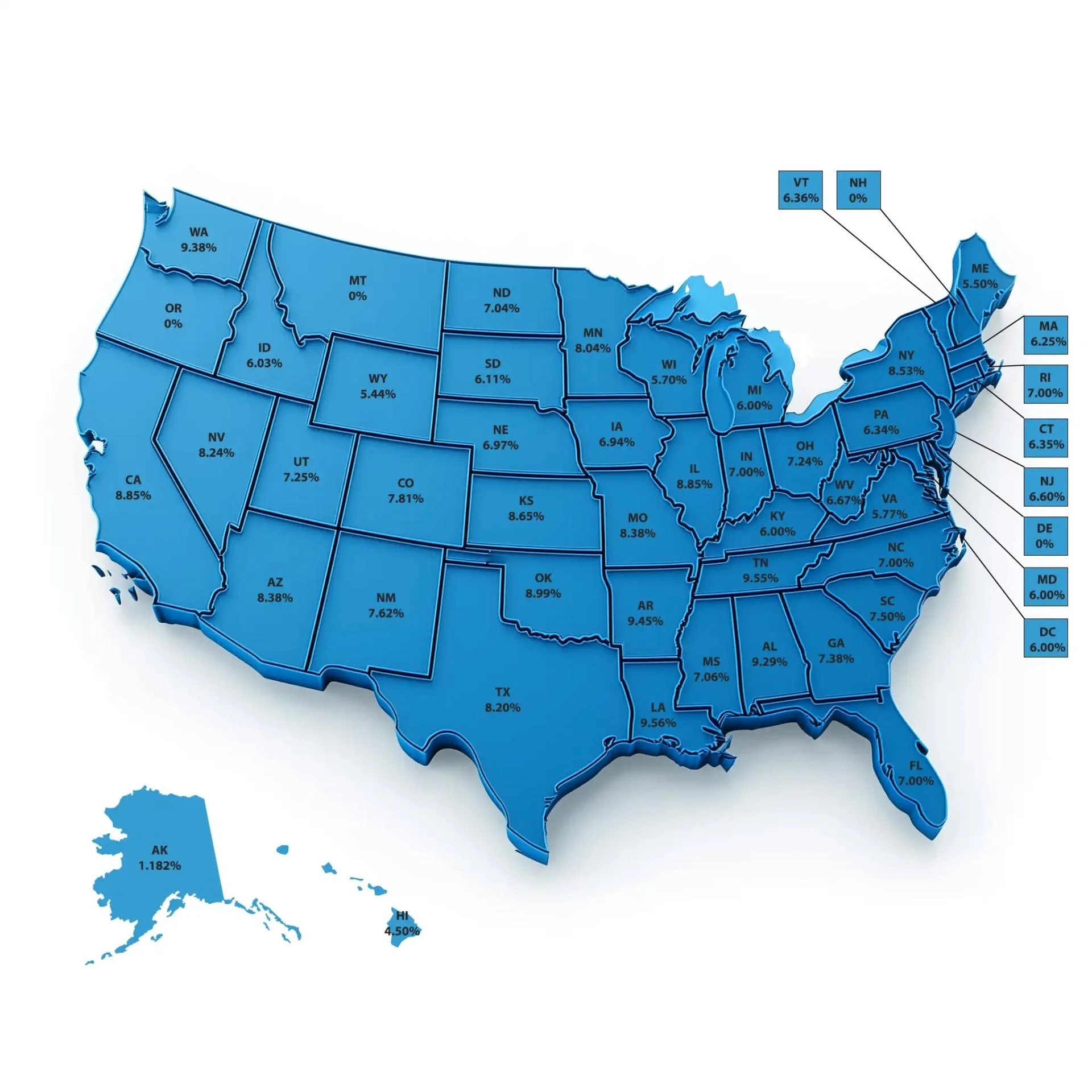
The standard sales tax rate in Charlotte combines the North Carolina state rate with the local Mecklenburg County rate. As of now, the state imposes a 4.75% tax, while Mecklenburg County adds an additional 2.5%, bringing the total sales tax in Charlotte NC to 7.25%. Certain items, like prepared meals at restaurants or hotel stays, may include additional local taxes, increasing the effective tax rate on these purchases.
Items Exempt from Sales Tax
Not all goods and services are subject to sales tax in Charlotte. Common exemptions include:
- Prescription medications and certain over-the-counter drugs
- Most groceries (excluding prepared foods)
- Certain agricultural supplies and equipment
- Some educational materials
Understanding these exemptions can help both consumers and businesses avoid overpaying taxes and ensure compliance with state regulations.
How Businesses Handle Sales Tax
For business owners in Charlotte, collecting sales tax correctly is essential. Retailers must register with the North Carolina Department of Revenue (NCDOR) to obtain a sales tax permit. Once registered, businesses are responsible for:
- Collecting Sales Tax: Adding the correct percentage to all taxable sales.
- Remitting Taxes: Reporting and sending collected taxes to the NCDOR on a monthly or quarterly basis, depending on sales volume.
- Maintaining Records: Keeping detailed records of all transactions to ensure accuracy and compliance during audits.
Failure to comply with sales tax regulations can result in fines, penalties, or legal issues, making proper management a top priority.
Tips for Residents and Visitors
For individuals shopping in Charlotte, understanding the sales tax can help budget more accurately. Here are a few practical tips:
- Check Receipts: Ensure that the sales tax rate applied matches the official 7.25% rate, unless special local taxes apply.
- Plan for Exemptions: Stock up on tax-exempt items like groceries or prescription medications.
- Use Online Resources: Websites such as the NCDOR provide updated sales tax rates and guidance on exemptions.
Conclusion
Navigating the sales tax in Charlotte NC doesn’t have to be complicated. Whether you are buying everyday items, planning a large purchase, or running a business, understanding the local tax structure is essential. By staying informed about tax rates, exemptions, and proper reporting procedures, you can ensure compliance while making the most of your financial resources. Charlotte’s sales tax may seem like a small percentage, but over time, it plays a significant role in funding community services and infrastructure that benefit everyone.




























Sign in to leave a comment.