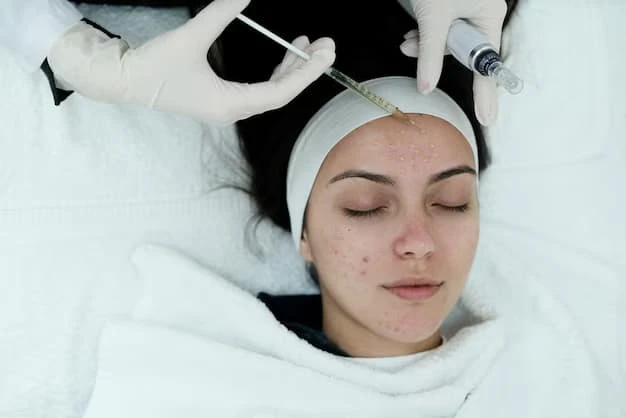

Skin pigmentation issues are a common concern for many people living in Glasgow and beyond. Uneven skin tone, dark spots, and discolouration often lead individuals to explore professional options for skin pigmentation removal Glasgow clinics provide. With a range of treatments available, understanding which methods work best for different types of pigmentation can help people make informed choices and achieve smoother, more even looking skin.
This article explains what causes skin pigmentation, the range of treatment options available, how each treatment works, who they are best suited for, what to expect during and after treatment, and how to choose the most effective approach for your individual needs.
What Causes Skin Pigmentation
Skin pigmentation forms when the skin produces excess melanin, the pigment responsible for skin colour. Melanin is produced by specialised cells known as melanocytes. When these cells become overactive or when melanin is distributed unevenly, areas of the skin may darken.
Common Types of Pigmentation
Sun Spots
Also known as solar lentigines or age spots, these pigmented patches appear due to cumulative sun exposure over time. They are common on the face, hands, and other areas frequently exposed to sunlight.
Melasma
Melasma is characterised by symmetrical patches of pigmentation, often appearing on the cheeks, forehead, and upper lip. It is frequently associated with hormonal fluctuations, pregnancy, or certain medications.
Post Inflammatory Hyperpigmentation
This type of pigmentation occurs after skin inflammation or injury such as acne, eczema, or minor abrasions. Dark marks can persist long after the original blemish has healed.
Freckles and Genetic Pigmentation
Some individuals have freckles or other genetic pigmentation patterns that may become more visible with sun exposure.
Understanding the type of pigmentation you have is essential for choosing the most effective treatment.
Why Professional Pigmentation Removal Matters
Over the counter creams and home remedies may provide temporary lightening, but they often fall short for moderate to severe pigmentation. Professional removal approaches are tailored, targeted, and supported by clinical evidence.
Accurate Diagnosis
A professional clinician assesses the type and depth of pigmentation using specialised tools and experience. Superficial pigmentation may respond well to exfoliating treatments, while deeper melanin deposits often require more advanced therapies.
Safety and Personalisation
Pigmentation treatments vary in intensity. Some methods may trigger irritation or worsening pigmentation if applied inappropriately. A clinic that prioritises safety adapts treatment plans based on skin tone, sensitivity, and lifestyle.
Professional Treatment Options for Pigmentation Removal
Several professional treatments are widely used for skin pigmentation removal in Glasgow. Each option has its own benefits, mechanisms, and ideal candidates.
Laser and Light Based Therapies
Laser and intense pulsed light therapies are among the most effective and widely recognised methods for pigmentation removal.
How Laser Treatment Works
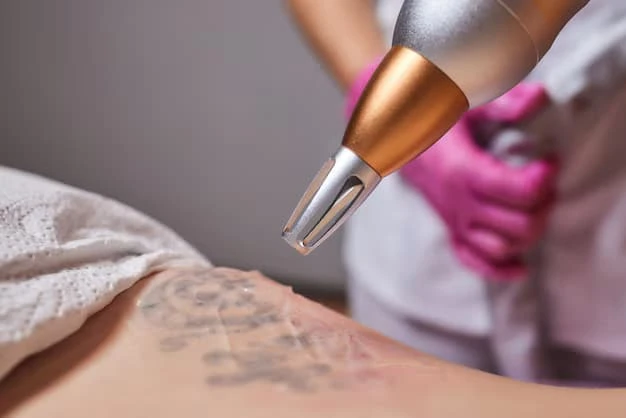
Laser treatments use concentrated beams of light to target melanin in the skin. The light energy breaks down pigment particles, which the body then naturally clears over time.
Different laser technologies operate at specific wavelengths suited to various pigmentation depths. Clinicians select the appropriate laser based on skin tone and type of pigmentation.
Benefits of Laser Pigmentation Removal
Laser therapy often produces faster results compared to other methods. It can significantly reduce dark spots, even skin tone, and improve complexion clarity.
Many people see visible improvement after just a few sessions, though a series of treatments usually produces the best outcome.
Considerations and Aftercare
Laser treatment may cause temporary redness or mild swelling. Aftercare includes diligent sun protection and gentle skincare to prevent irritation and support healing.
Intense Pulsed Light Therapy
Intense Pulsed Light therapy, or IPL, uses a broad spectrum of light to treat pigmentation and enhance overall skin tone.
How IPL Works
IPL delivers light energy that is absorbed by excess melanin and blood vessels in the skin. This process breaks down the pigmentation while also stimulating collagen production, which improves texture and brightness.
Benefits of IPL
IPL is less invasive than some laser therapies and often described as more comfortable. It can target multiple skin concerns in one session, including redness and uneven tone.
Multiple sessions are usually recommended for optimal results.
Appropriate Candidates
IPL works particularly well for someone with superficial pigmentation and those seeking an overall skin rejuvenation experience.
Chemical Peels for Pigmentation Removal
Chemical peels involve applying a controlled chemical solution to the skin to remove the outermost layer, revealing fresher and more uniform skin beneath.
Types of Chemical Peels
Light Peels
Light peels use mild acids such as glycolic acid to exfoliate the top layer. These are suitable for mild pigmentation and dull skin.
Medium Peels
Medium peels using solutions such as trichloroacetic acid penetrate deeper and can address more stubborn pigmentation concerns.
Benefits of Peels
Chemical peels improve pigmentation and also enhance skin texture and brightness. They can complement other treatments such as light based therapies.
Aftercare and Healing
After a peel, the skin may feel sensitive and peel as it renews. Sun protection and gentle moisturisation are essential during the healing phase.
Microneedling and Combined Approaches
Microneedling is a collagen stimulating treatment that can indirectly help with pigmentation by enhancing skin regeneration.
How Microneedling Helps Pigmentation
Microneedling creates tiny micro channels in the skin that stimulate the skin’s repair mechanisms. While it does not directly target melanin in the same way as lasers or IPL, it improves overall skin turnover, which can reduce the appearance of pigmentation over time.
Combining Treatments
Microneedling may be combined with chemical peels or topical serums to support pigmentation removal and overall texture improvement. Combination plans are personalised for each individual’s skin condition.
Suitable Candidates
Microneedling suits individuals with texture concerns alongside pigmentation and those seeking gradual, natural improvement.
Medical Grade Topical Treatments
Topical medical grade products play a supportive role in pigmentation removal and long term maintenance.
Key Ingredients and Their Actions
Vitamin C
A potent antioxidant that helps brighten skin and inhibit excess melanin production.
Retinoids
Support cell turnover, helping fade dark marks and prevent new pigmentation from forming.
Azelaic Acid
Targets pigmentation and helps calm inflammation, making it suitable for sensitive skin.
Hydroquinone
A strong pigment reducing agent used under professional guidance due to its potency.
Professional Oversight
Medical grade products prescribed or recommended by clinicians are often more effective and safer than over the counter alternatives. They are selected based on skin type and specific pigmentation concerns.
What to Expect: Treatment Journey
Understanding the typical experience and timeline for pigmentation removal helps set realistic expectations.
Initial Consultation and Skin Assessment
The first step is a detailed consultation. The clinician evaluates the type of pigmentation, skin tone, and overall skin health. They explain suitable treatments, expected outcomes, and any risks involved.
Treatment Sessions and Frequency
Most professional pigmentation removal plans involve multiple sessions. The number of sessions depends on severity, type of pigmentation, and response to treatment. For example, light based therapies often require 3 to 6 sessions spaced weeks apart.
Post Treatment Care
After each session, skin may be sensitive or pink. Clients are advised to protect their skin from sun exposure, use gentle products, and follow all aftercare recommendations provided by the clinician.
Realistic Results and Timeframes
Results develop gradually and depend on the chosen treatment, type of pigmentation, and consistency of care.
Short Term Results
Some treatments show visible improvement within weeks. Light based therapies often reduce the appearance of dark spots faster than other methods.
Long Term Improvement
Real and lasting improvement often requires patience and a series of treatments. Maintenance care, such as ongoing skincare and sun protection, supports long term results.
Importance of Sun Protection
Regardless of the treatment chosen, sun protection is essential for maintaining results and preventing pigmentation from returning. Wear broad spectrum sunscreen daily and minimise prolonged sun exposure.
Choosing the Right Treatment for Your Skin
Selecting the best pigmentation removal option depends on individual factors. A professional assessment helps determine the most appropriate plan.
Hair and Skin Type
Skin tone, sensitivity, and type of pigmentation influence treatment choice. Some lasers and IPL systems are more suitable for lighter skin tones, while others are designed for a wider range of tones.
Lifestyle and Expectations
Consider downtime tolerance, budget, and long term goals. Some people prefer quicker results while others prioritise minimal discomfort and gradual improvement.
Professional Expertise
Choosing a clinician with experience in pigmentation removal ensures that treatments are tailored safely and effectively.
Conclusion
When exploring skin pigmentation removal Glasgow options, individuals will find that each method has its own strengths and ideal applications. Light based therapies such as laser and IPL often deliver significant improvements, chemical peels rejuvenate and renew the skin, microneedling supports collagen production, and medical grade topical therapies aid long term maintenance. A professional evaluation is essential to determine which approach or combination of approaches works best for each individual.
For personalised assessment and advanced solutions designed to address pigmentation concerns effectively, Este Medical Group offers expert guidance and comprehensive treatment plans tailored to long term skin health and confidence.































Sign in to leave a comment.