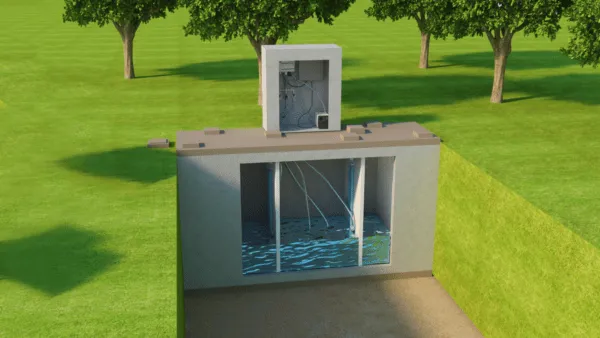

Water pollution and environmental degradation are two of the most pressing challenges facing industries and communities today. With growing concerns about wastewater management, understanding the difference between Sewage Treatment Plants (STPs) and Effluent Treatment Plants (ETPs) has become essential. Both systems are designed to treat wastewater before it is released into the environment, but they differ in terms of source, composition, and treatment methods.
In this blog, we’ll explore what STPs and ETPs are, their functions, how they differ, and how Cleantech Water provides reliable solutions for both systems.
Sewage Treatment Plants (STPs)
A Sewage Treatment Plant (STP) is designed to treat domestic wastewater—the kind generated from households, residential complexes, offices, and institutions. This wastewater typically contains organic matter, human waste, detergents, and small amounts of chemicals from cleaning and kitchen processes.
1. Purpose of STPs
The main goal of a sewage treatment plant is to remove contaminants and make the water safe for discharge into the environment or for reuse in non-potable applications such as gardening, flushing, or irrigation.
2. Process of Sewage Treatment
Sewage treatment is generally carried out in three main stages:
- Primary Treatment: This involves physical processes like screening, sedimentation, and grit removal. Large particles and floating debris are separated from the wastewater.
- Secondary Treatment: This is a biological process where microorganisms break down organic matter. Common systems include activated sludge processes, trickling filters, or sequencing batch reactors (SBR).
- Tertiary Treatment: In this advanced stage, further purification occurs through disinfection (using chlorine or UV light), filtration, and nutrient removal to meet regulatory discharge standards.
3. Output from STPs
After treatment, the clear effluent can be reused for landscaping, cooling towers, or flushing systems. The sludge generated is often stabilized and can be used as a soil conditioner after proper treatment.
4. Common Applications of STPs
- Residential societies
- Hotels and resorts
- Hospitals and educational institutions
- Municipal and commercial buildings
By implementing a well-designed STP, communities can significantly reduce the environmental footprint of domestic wastewater and promote sustainable water reuse practices.
Effluent Treatment Plants (ETPs)
An Effluent Treatment Plant (ETP) is primarily used to treat industrial wastewater generated from manufacturing, chemical, pharmaceutical, textile, food processing, and other industrial operations. This type of wastewater often contains high concentrations of chemicals, heavy metals, oils, greases, and other non-biodegradable contaminants.
1. Purpose of ETPs
The main objective of an effluent treatment plant is to remove harmful industrial pollutants and ensure that the water discharged meets environmental and legal standards. Proper ETP operations prevent contamination of rivers, lakes, and groundwater resources.
2. Process of Effluent Treatment
Industrial effluent treatment involves a combination of physical, chemical, and biological processes depending on the industry type and the nature of pollutants.
- Preliminary Treatment: This includes screening and sedimentation to remove large suspended solids.
- Chemical Treatment: Chemical processes such as coagulation, flocculation, and neutralization help remove dissolved impurities and balance pH levels.
- Biological Treatment: Microorganisms are used to break down organic pollutants. Aerobic or anaerobic systems are selected based on the wastewater characteristics.
- Advanced Treatment: Techniques like activated carbon filtration, reverse osmosis (RO), ultrafiltration (UF), and advanced oxidation are used for polishing and achieving zero liquid discharge (ZLD).
3. Output from ETPs
The treated effluent can be safely discharged or reused for cooling, washing, or irrigation, depending on local environmental standards. Solid waste and sludge generated during the process must be properly disposed of following hazardous waste management regulations.
4. Common Applications of ETPs
- Chemical and pharmaceutical industries
- Textile dyeing and finishing plants
- Food and beverage production units
- Oil refineries and metal processing industries
By integrating an efficient ETP, industries can ensure compliance with environmental regulations and contribute to long-term water sustainability.
Key Differences Between STPs and ETPs
Although both STPs and ETPs share the common goal of treating wastewater, they differ significantly in their source, process, and operational requirements.
1. Type of Wastewater: STPs handle domestic sewage, whereas ETPs treat industrial effluents. The composition of industrial wastewater varies widely depending on the process and chemicals used, while sewage is more organic and predictable in nature.
2. Treatment Complexity: ETPs generally require more complex treatment methods involving chemical and advanced physical processes to remove toxic and non-biodegradable substances. STPs, on the other hand, rely more on biological treatment since domestic waste is mostly organic.
3. Chemical Usage: In ETPs, chemicals are commonly used for pH correction, coagulation, and precipitation. STPs typically use fewer chemicals, focusing instead on biological breakdown of organic matter.
4. Equipment and Design: ETPs are custom-designed based on the type of industry and effluent characteristics, while STPs follow standard configurations suitable for residential or commercial applications.
5. Output and Reuse: The treated water from an STP is generally reused for domestic non-drinking purposes. In contrast, treated water from an ETP can be used in industrial processes, cooling towers, or safely discharged after meeting environmental norms.
6. Environmental Regulations: Industries operating ETPs must comply with stricter discharge norms set by environmental authorities, as industrial effluents pose higher risks to ecosystems.
Understanding these differences helps in selecting the right type of wastewater treatment system based on the source and quality of wastewater generated.
We Provide Both Sewage and Effluent Treatment Plant Solutions
At Cleantech Water, we specialize in designing, manufacturing, and maintaining both Sewage Treatment Plants (STPs) and Effluent Treatment Plants (ETPs) tailored to your needs. Whether you manage a residential complex, commercial establishment, or an industrial unit, our experts provide end-to-end solutions that ensure environmental compliance and efficient water recovery.
Our treatment systems are built with cutting-edge technology, ensuring optimal performance, minimal maintenance, and long-term reliability. From compact modular units for small housing societies to advanced industrial ETPs with zero liquid discharge (ZLD) setups, we deliver solutions that promote sustainability and cost efficiency.
Why Choose Cleantech Water?
- Customized design for your specific wastewater type
- Energy-efficient and low-maintenance systems
- Compliance with CPCB and SPCB discharge standards
- On-site support, operation, and maintenance services
- Proven track record across residential, commercial, and industrial sectors
Conclusion
Both sewage and effluent treatment plants play a crucial role in managing wastewater responsibly. While STPs handle domestic sewage to make it safe for reuse or discharge, ETPs focus on removing hazardous substances from industrial wastewater. Choosing the right system depends on the source and composition of your wastewater.
With expertise in both systems, Cleantech Water ensures that every drop of water is treated responsibly, protecting the environment and supporting a sustainable future.


























Sign in to leave a comment.