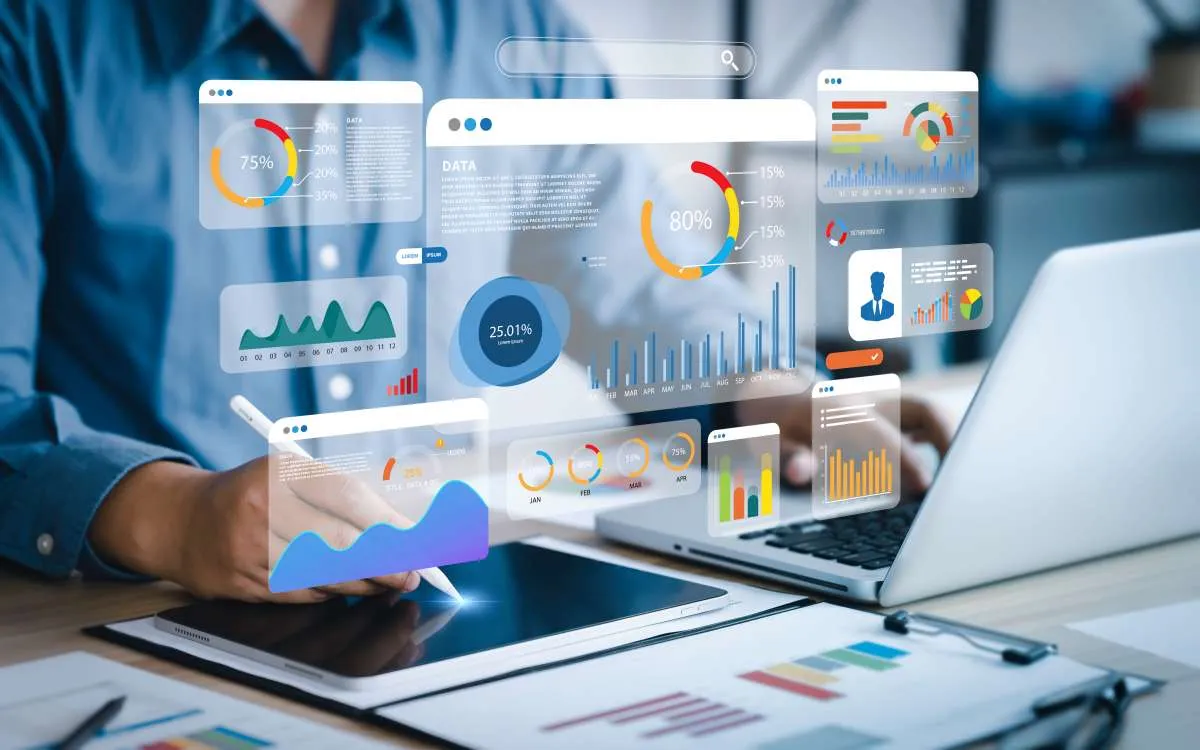

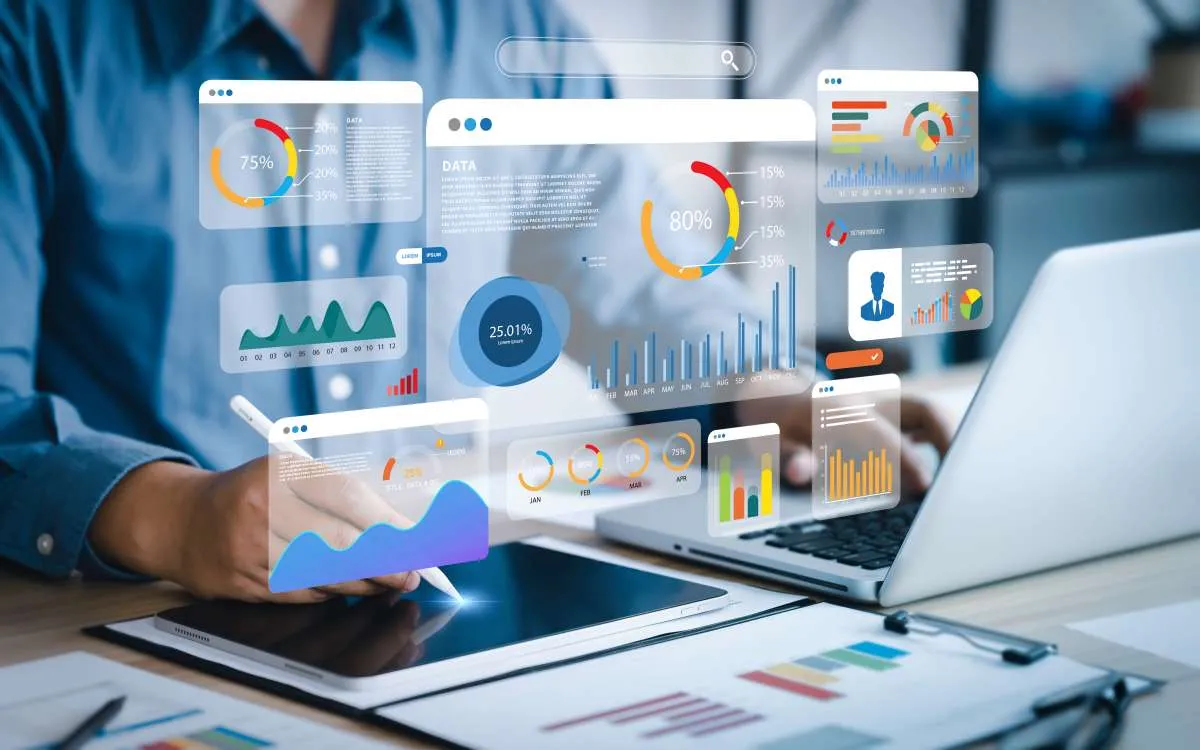
In today’s data-driven world, businesses rely heavily on analytics to make smarter decisions, improve efficiency, and stay ahead of competitors. From tracking customer behavior to predicting future trends, business analytics plays a major role in helping organizations grow strategically. Companies across industries now use different types of business analytics to solve problems, reduce risks, and improve performance.
Understanding the main categories of analytics can help businesses choose the right approach for their goals. Whether you run a startup or a large enterprise, learning about the various types of business analytics can help you unlock the full potential of your business data.
What Is Business Analytics?
Business analytics is the process of collecting, analyzing, and interpreting data to improve business operations and decision-making. It combines statistical analysis, data mining, predictive modeling, and reporting tools to identify patterns and insights.
Organizations use business analytics to:
- Improve operational efficiency
- Increase revenue opportunities
- Understand customer behavior
- Reduce business risks
- Forecast future trends
- Enhance marketing performance
With growing competition and increasing customer expectations, companies are investing more in business analytics solutions to gain a competitive edge.
Why Business Analytics Matters
Modern businesses generate massive amounts of data every day. Without proper analysis, this data has little value. Business analytics transforms raw information into actionable insights that support smarter business strategies.
Some major benefits of business analytics include:
- Better decision-making
- Improved customer experiences
- Increased productivity
- Accurate forecasting
- Enhanced financial planning
- Faster problem-solving
Businesses that effectively use analytics often make more informed decisions than companies relying only on intuition.
Main Types of Business Analytics
There are four major types of business analytics commonly used by organizations today. Each type serves a unique purpose and helps businesses answer different questions.
1. Descriptive Analytics
Descriptive analytics focuses on analyzing past data to understand what happened in the business. It is the most basic and widely used form of business analytics.
This type of analytics uses historical data, reports, dashboards, and performance metrics to identify trends and patterns.
Examples of Descriptive Analytics
- Monthly sales reports
- Website traffic analysis
- Customer engagement reports
- Financial summaries
- Inventory tracking
For example, an eCommerce company may use descriptive analytics to identify which products sold the most during the holiday season.
Benefits of Descriptive Analytics
- Provides clear business insights
- Helps monitor performance
- Identifies trends and patterns
- Supports data visualization
Although descriptive analytics explains past performance, it does not predict future outcomes.
2. Diagnostic Analytics
Diagnostic analytics helps businesses understand why something happened. It goes deeper into data analysis to identify the root causes of business problems or successes.
This type of business analytics often uses techniques such as data discovery, drill-down analysis, correlations, and comparisons.
Examples of Diagnostic Analytics
- Identifying reasons for declining sales
- Understanding customer churn
- Analyzing marketing campaign failures
- Investigating production delays
For instance, if website traffic suddenly decreases, diagnostic analytics can help determine whether the issue is related to search engine updates, technical errors, or reduced advertising efforts.
Benefits of Diagnostic Analytics
- Identifies root causes of issues
- Improves problem-solving
- Helps businesses make corrective decisions
- Enhances operational efficiency
Diagnostic analytics is valuable for businesses looking to improve processes and eliminate inefficiencies.
3. Predictive Analytics
Predictive analytics uses historical data, machine learning, and statistical models to forecast future outcomes. It helps businesses predict trends, customer behavior, and potential risks before they happen.
This is one of the most powerful types of business analytics because it supports proactive decision-making.
Examples of Predictive Analytics
- Sales forecasting
- Customer behavior prediction
- Fraud detection
- Demand forecasting
- Risk assessment
Streaming platforms like Netflix and Spotify use predictive analytics to recommend personalized content based on user behavior.
Benefits of Predictive Analytics
- Improves forecasting accuracy
- Helps identify future opportunities
- Reduces business risks
- Enhances customer targeting
- Supports strategic planning
Many organizations use predictive analytics tools to improve marketing campaigns and optimize inventory management.
4. Prescriptive Analytics
Prescriptive analytics is the most advanced form of business analytics. It not only predicts future outcomes but also recommends the best actions businesses should take.
This type of analytics combines artificial intelligence, machine learning, and optimization algorithms to support decision-making.
Examples of Prescriptive Analytics
- Product pricing optimization
- Supply chain recommendations
- Personalized marketing strategies
- Financial investment planning
- Route optimization for logistics companies
For example, airlines use prescriptive analytics to adjust ticket prices based on demand, competition, and customer behavior.
Benefits of Prescriptive Analytics
- Provides actionable recommendations
- Optimizes business strategies
- Improves decision-making speed
- Enhances resource allocation
- Increases operational efficiency
Prescriptive analytics is becoming increasingly important for businesses looking to automate data-driven decisions.
Differences Between the Types of Business Analytics
Each analytics type answers a different business question:
| Type of Analytics | Main Question Answered |
|---|---|
| Descriptive Analytics | What happened? |
| Diagnostic Analytics | Why did it happen? |
| Predictive Analytics | What may happen next? |
| Prescriptive Analytics | What should we do about it? |
Together, these four types of business analytics create a complete framework for business intelligence and strategic planning.
Industries Using Business Analytics
Business analytics is used across many industries to improve performance and customer experiences.
Retail
Retail companies use analytics to track customer buying patterns, manage inventory, and improve pricing strategies.
Healthcare
Healthcare organizations use predictive analytics to improve patient care, manage resources, and reduce operational costs.
Finance
Banks and financial institutions use analytics for fraud detection, risk management, and investment planning.
Marketing
Digital marketers use business analytics tools to measure campaign performance, understand audiences, and improve ROI.
Manufacturing
Manufacturers rely on analytics to improve supply chain operations, reduce downtime, and optimize production processes.
Future of Business Analytics
The future of business analytics continues to evolve with advancements in artificial intelligence, machine learning, and big data technologies. Businesses are increasingly adopting real-time analytics to make faster and more accurate decisions.
Cloud computing and automation are also making analytics solutions more accessible for small and medium-sized businesses.
As companies generate more data, the demand for skilled analytics professionals and advanced analytics tools will continue to grow.
Final Thoughts
Understanding the different types of business analytics is essential for organizations that want to stay competitive in today’s digital landscape. From descriptive analytics that explains past performance to prescriptive analytics that recommends future actions, each type provides valuable business insights.
Businesses that invest in business analytics can improve decision-making, reduce risks, and create better customer experiences. As technology continues to advance, analytics will remain a key driver of business growth and innovation.
By choosing the right analytics approach, companies can turn data into meaningful strategies that support long-term success.



























Sign in to leave a comment.