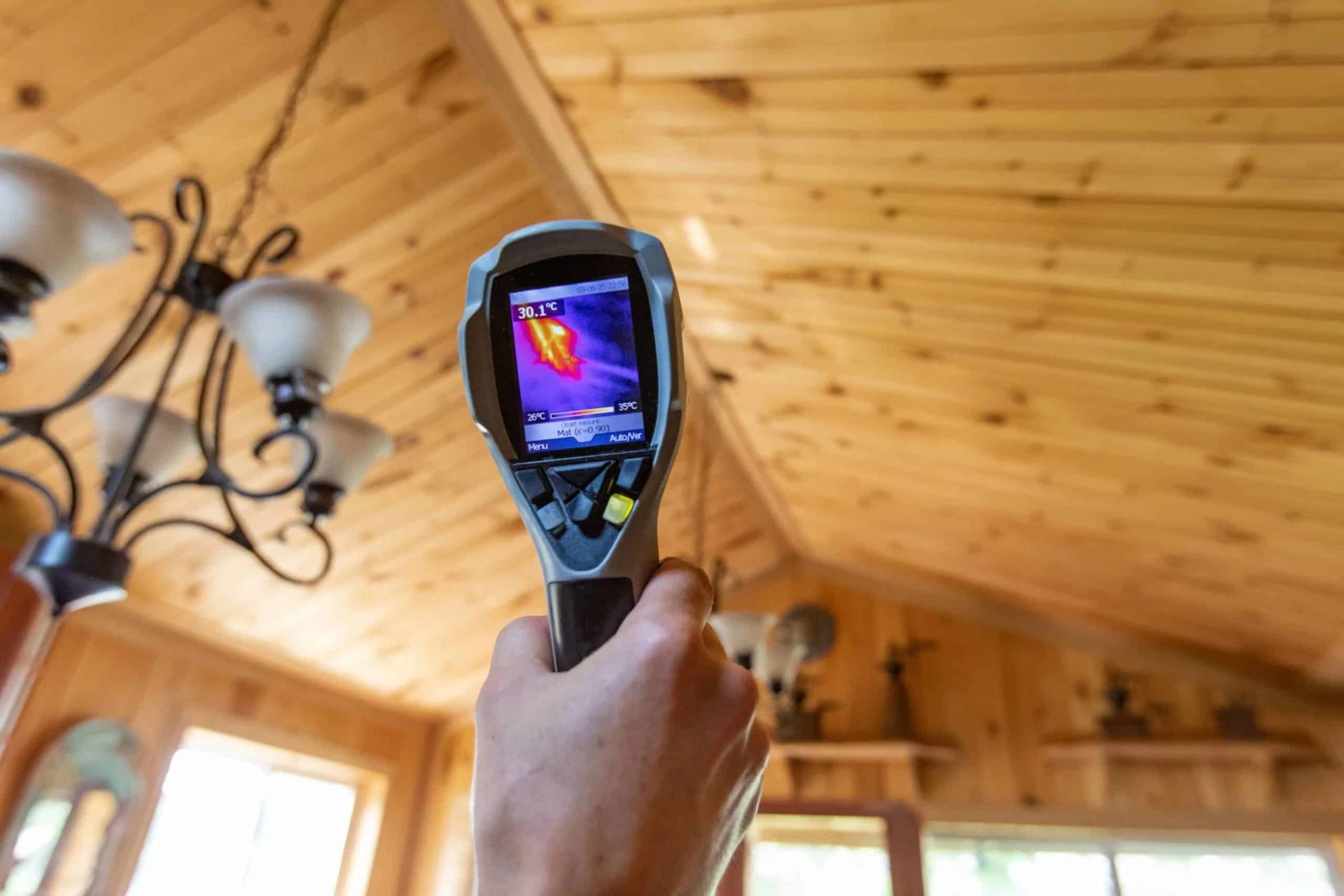

A home performance evaluation provides a technical roadmap to permanent energy savings and improved indoor comfort by identifying hidden air leaks and insulation failures. These assessments use specialized diagnostic tools to reveal exactly how a building loses heat or traps moisture throughout the year. By fixing these specific issues, property owners can lower their monthly expenses and create a healthier environment for their families.
This process moves beyond simple visual inspections and uses data to drive home improvement decisions. Experts analyze the entire building as a single system to find the root causes of cold drafts or high humidity. This article explains the technical components of these evaluations and how they benefit property owners in the variable Illinois climate. Learning about these benefits helps homeowners make smarter investments in their property.

Data Driven Diagnostics for Lasting Efficiency
Expert evaluations rely on advanced technology to see what the human eye cannot detect. A primary tool in this process is the blower door test, which involves a powerful fan mounted into an exterior door frame. This fan pulls air out of the house, lowering the pressure inside so that outdoor air is sucked through every crack and gap. This allows the technician to measure the total amount of air leakage in the building.
Thermal imaging cameras work alongside the blower door test to provide a visual map of energy loss. These cameras detect infrared radiation, showing cold spots as dark colors and warm spots as bright ones. When used during a pressure test, the camera reveals exactly where unconditioned air enters the home. This data allows for a surgical approach to air sealing and insulation rather than a generic one.
Identifying the Stack Effect and Thermal Bridging
Air leakage often happens in patterns that follow the physical principles of air movement. The stack effect is a common issue in multi-story homes where warm air rises and escapes through the attic. This creates a vacuum at the bottom of the house that pulls in cold air through the basement or crawlspace. An evaluation pinpoints the specific bypasses that allow this cycle to continue.
Locating Hidden Air Bypasses
Many leaks occur in areas that residents never see, such as behind kneewalls or around chimney flues. Technicians inspect the top plates of walls where wires and pipes pass through to the attic. These small openings act like hundreds of tiny open windows that let conditioned air escape. Sealing these gaps is a fundamental step in regaining control over the home environment.
Detecting Thermal Bridging Issues
Thermal bridging happens when heat passes through solid objects like wooden studs or metal fasteners. Even a well-insulated wall can lose heat if the framing members are not properly covered. Evaluations show where these bridges exist and allow contractors to recommend continuous insulation strategies. This prevents cold spots on the drywall that could eventually lead to condensation.
Bonus Tip: Check the Rim Joists
The rim joist area in the basement is often the most significant source of air leakage. Sealing this area with high performance foam during an upgrade can immediately stop the drafty floor feeling in the rooms above.
Regional Climate Guidance for Illinois Homes
Buildings in the Chicago area face extreme weather conditions that range from sub-zero winters to hot, humid summers. This range puts immense stress on the building envelope and mechanical systems. A home performance evaluation addresses these local challenges by looking at how the house handles moisture and temperature shifts. Market data suggests that air leaks in a typical home can equal the size of a window left open all year.
Moisture management is a major focus for evaluations in Climate Zone 5. In the summer, humid outdoor air can enter walls and condense on cool surfaces, leading to mold growth. In the winter, escaping heat can cause ice dams on the roof that damage shingles and gutters. A professional evaluation provides the data needed to stop these cycles before they cause structural damage.
Improving Seasonal Comfort Levels
Property owners often notice that some rooms are significantly colder or warmer than others. This imbalance is usually caused by air pressure differences or inconsistent insulation levels. The evaluation measures these differences and provides a plan to balance the home. This ensures that every room stays comfortable regardless of the weather outside.
Bonus Tip: Monitor Attic Temperatures
An attic that is too warm in the winter is a sign of escaping household heat. A professional evaluation will check attic temperatures to ensure the thermal boundary is functioning correctly to prevent ice dams.
Things to Consider Before Making a Decision
Before hiring a company for an evaluation, property owners should consider their long term goals for the building. A simple energy audit might only look at light bulbs and appliances, while a full performance evaluation looks at the building shell and mechanical systems. It is helpful to gather at least one year of utility bills to provide a baseline for the assessment.
The qualifications of the technician are also a key factor in the quality of the results. Look for professionals who understand building science and have experience with local construction styles. They should be able to explain the technical data in plain language and provide a prioritized list of repairs. This list helps property owners tackle the most effective fixes first.
- Verify the technician uses a calibrated blower door and thermal camera.
- Ask if the evaluation includes a combustion safety test for gas appliances.
- Review your historical energy usage to identify seasonal spikes.
- Check if the company provides a detailed report with photos and data.
- Consider the age of your current HVAC system as part of the overall performance.
Comparison of Diagnostic Assessment Tools
Different tools provide different types of data about a building. A comprehensive evaluation uses a combination of these technologies to get a full picture of the home's performance. The table below outlines the primary tools used by experts to diagnose building issues.
| Diagnostic Tool | Primary Function | Data Provided |
|---|---|---|
| Blower Door | Depressurizes the home | Total air leakage rate in CFM |
| Thermal Camera | Detects surface temperatures | Visual map of insulation gaps |
| Manometer | Measures pressure differences | Airflow direction between rooms |
| Moisture Meter | Detects liquid water in materials | Percentage of moisture in wood/drywall |
| Smoke Pen | Visualizes small air currents | Exact location of tiny air leaks |
| Combustion Analyzer | Checks furnace/water heater | Carbon monoxide and efficiency levels |
Long Term Financial and Health Benefits
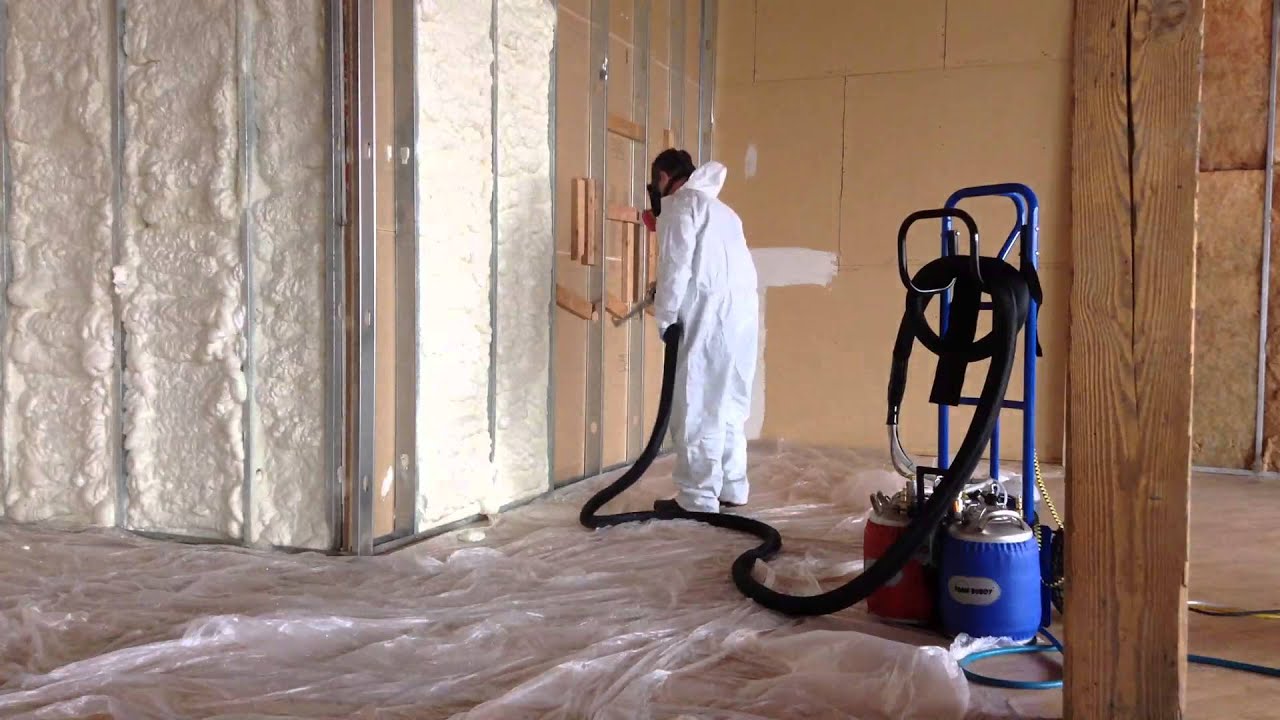
The most immediate benefit of an evaluation is the reduction in monthly utility costs. By stopping air leaks and improving spray foam insulation, the HVAC system runs less often. This leads to a longer lifespan for furnaces and air conditioners, as they no longer have to struggle to overcome a leaky building shell. Research shows that sealing leaks and insulating can save homeowners up to 15 percent on heating and cooling costs.
Indoor air quality also improves significantly after an evaluation leads to proper air sealing. Many pollutants, such as dust, pollen, and automobile exhaust, enter the home through cracks in the foundation or walls. By sealing these entry points, the home remains cleaner and the air stays fresher. This is a major advantage for families with allergies or respiratory issues.
Protecting the Structural Integrity of the House
Moisture is the primary enemy of any building structure. By identifying where condensation is likely to occur, an evaluation helps prevent wood rot and mold. This proactive approach saves property owners from the high costs of structural repairs or mold remediation in the future. It ensures that the home remains a safe and solid investment for decades.
Reducing Sound Transmission
A sealed and well-insulated home is also a quieter home. The same gaps that allow air to leak also allow outdoor noise to enter. Property owners often find that their homes become much more peaceful after following the recommendations of a performance evaluation. This is particularly helpful in suburban areas near busy roads or airports.
Enhancing Property Resale Value
Energy efficient homes are in high demand in the current real estate market. Having a documented home performance evaluation and a history of improvements can be a strong selling point. It shows potential buyers that the home has been well maintained and will have lower operating costs. This can lead to a faster sale and a higher closing price.
Questions People Ask About Home Performance Evaluations
How long does a typical evaluation take to complete?
A thorough assessment of a standard single family home usually takes between two and four hours. This gives the technician enough time to set up the equipment, perform the pressure tests, and inspect the attic and crawlspaces. Larger or more complex homes may require additional time for a complete diagnostic.
Will the blower door test make my house dirty?
The blower door fan pulls air out of the house, which can sometimes pull small amounts of dust from wall cavities if the home is very leaky. However, professional technicians are trained to manage this and will usually ask the homeowner to close all windows and fireplaces before starting the test. The amount of dust is typically very minimal.
Is an evaluation worth it for a newer home?
Yes, even brand new homes can have significant air leaks and insulation gaps. Building codes provide a minimum standard, but they do not always ensure a perfectly sealed envelope. An evaluation on a newer home can identify construction defects and help the owner address them while the building is still under warranty.
Can I perform my own performance evaluation?
While homeowners can find some leaks with a simple incense stick or visual check, they cannot replicate the data from a blower door or thermal camera. These tools provide precise measurements that are needed to calculate the exact energy savings of a project. Professional expertise is required to interpret the data correctly.
What is the best time of year to get an evaluation?
Evaluations can be performed at any time, but they are most effective when there is a significant temperature difference between the indoors and outdoors. This makes the thermal imaging data much clearer. In Illinois, the winter and summer months are ideal times to see exactly how the home is performing under stress.
Summary of Assessment Value
A home performance evaluation is the first step toward a more comfortable and efficient building. By using data and technical diagnostics, property owners can avoid the guesswork of home improvements. The long term benefits include lower energy bills, improved air quality, and the protection of the home's structure. Following the roadmap provided by an expert ensures that every dollar spent on upgrades delivers a real return.
Investing in these diagnostics allows homeowners to take control of their indoor environment. As energy prices and weather patterns change, a well-balanced home remains a stable and healthy sanctuary. Choosing to evaluate a property today provides the necessary information to create a sustainable and cost effective future for the household.
Professional Diagnostics and Insulation Services
If you are ready to identify the hidden issues in your home and start saving on energy costs, professional help is available. South Chicago Insulation provides technical expertise in building performance and high quality insulation solutions. Their team can help you understand the data from an evaluation and create a plan to improve your home's health. You can reach them at (779) 803-8025 or by email at [email protected] to discuss your specific needs. They are committed to helping families in the area achieve better comfort and lower bills through professional assessments and precision insulation work.
Author: Bob Gasca is an SPFA Certified Master Installer who has specialized in solving complex moisture and air infiltration issues since 2007.
Reviewer: Noah Gonzalez is an insulation expert with 9 years of experience providing technical guidance and practical solutions for residential contractors.
Sign in to leave a comment.