

The condition can affect both children and adults, causing problems with eye coordination, depth perception, and, in some cases, double vision. While occasional outward drifting may seem harmless at first, untreated exotropia can gradually affect visual function and quality of life. Fortunately, there are several effective options for treatment for exotropia, depending on the cause and severity of the condition.
What Causes Exotropia?
Exotropia develops when the muscles responsible for eye movement do not work together properly. Some children are born with the condition, while others develop it as they grow. Adults may experience exotropia due to neurological disorders, trauma, previous eye surgery, or other underlying eye conditions.
Common symptoms include:
- One eye drifting outward
- Double vision
- Eye strain or headaches
- Difficulty focusing on objects
- Reduced depth perception
- Frequent squinting, especially in bright sunlight
If these symptoms occur regularly, an eye examination is important to determine the underlying cause and the most appropriate treatment.
What Are the Treatment Options for Exotropia?
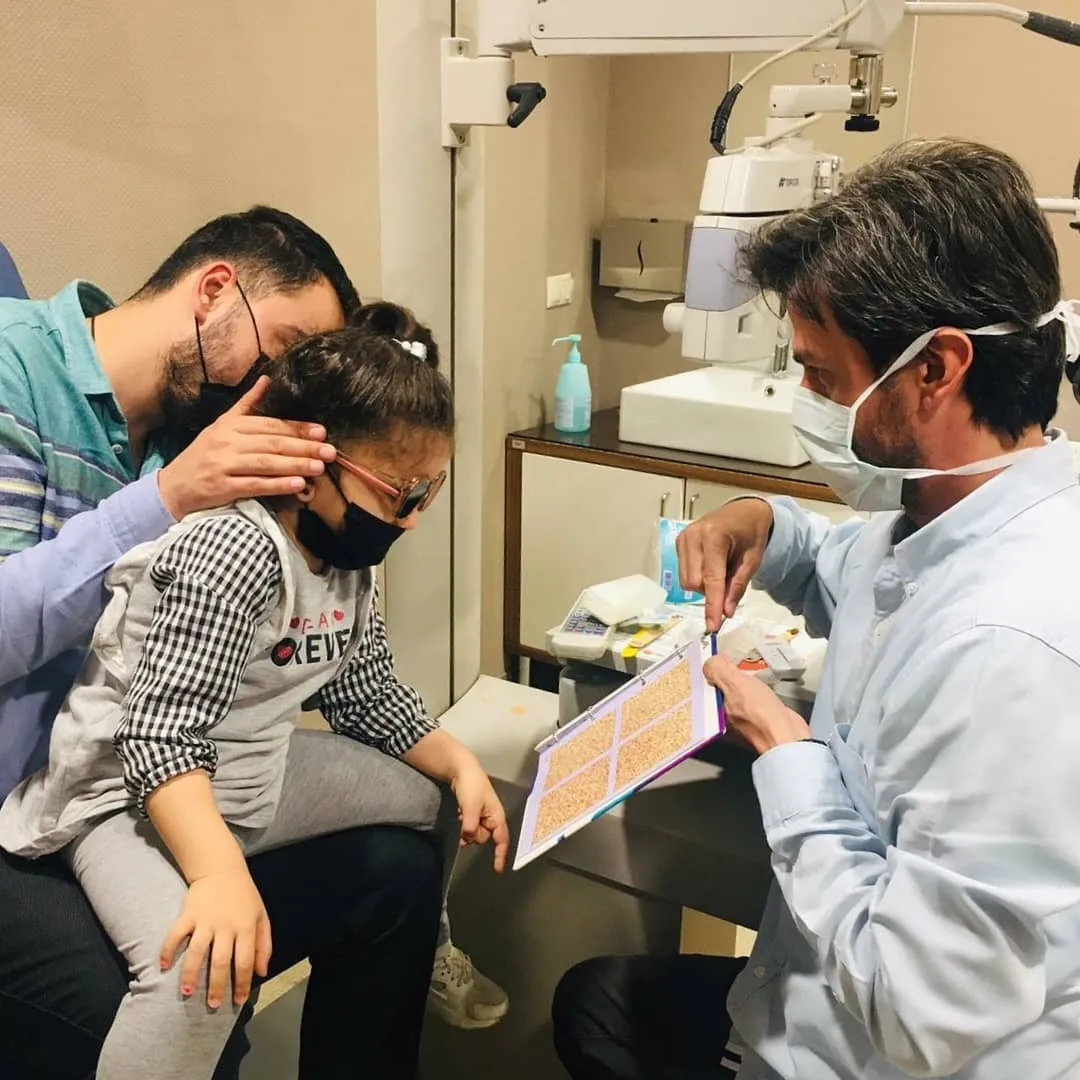
The most suitable treatment for exotropia depends on the patient's age, the severity of the eye turn, and whether the condition is constant or intermittent. After a comprehensive eye examination, your ophthalmologist may recommend one or more of the following treatment options.
Prescription Glasses
If refractive errors contribute to the eye misalignment, prescription glasses may improve eye coordination and reduce the outward drift. For some patients, glasses alone provide noticeable improvement.
Vision Therapy
Vision therapy includes a series of exercises designed to strengthen eye coordination and improve binocular vision. It is often recommended for selected patients with mild or intermittent exotropia and may be used alongside other treatments.
Prism Lenses
Prism lenses can help reduce double vision by improving the way light enters the eyes. Although they do not correct the underlying muscle imbalance, they may improve comfort during daily activities.
Exotropia Surgery
When non-surgical treatments are not enough, treatment for exotropia may involve surgery. During the procedure, the ophthalmologist adjusts one or more eye muscles to improve alignment. The goal is to help both eyes work together more effectively, improving visual function and eye appearance.
Surgery is usually performed as a day procedure, and most patients return home the same day.
Recovery After Treatment
Recovery depends on the type of treatment provided. Patients undergoing surgery may experience mild redness, swelling, or irritation for several days. Most people can return to normal daily activities within one to two weeks, although complete healing may take longer.
Regular follow-up appointments are important to monitor recovery and determine whether additional treatments, such as glasses or vision therapy, are needed to achieve the best possible results.
Why Early Treatment Matters?
Early diagnosis plays a key role in successful treatment for exotropia. In children, prompt treatment supports normal visual development and reduces the risk of long-term vision problems. Adults can also benefit from improved eye alignment, reduced double vision, and better visual comfort, helping them perform everyday tasks with greater confidence.
Conclusion
Choosing the right treatment for exotropia begins with a comprehensive eye examination and an individualized treatment plan. Whether treatment involves glasses, vision therapy, or surgery, early intervention can improve eye alignment and overall visual function. For patients seeking expert strabismus care in Turkey, Doç. Dr. Halil Hüseyin Çağatay provides personalized evaluations and advanced treatment options tailored to each patient's needs. Contact us today to schedule your consultation and learn more about the most suitable treatment for your condition.



























Sign in to leave a comment.