
Revolutionizing Pharma with Blockchain Technology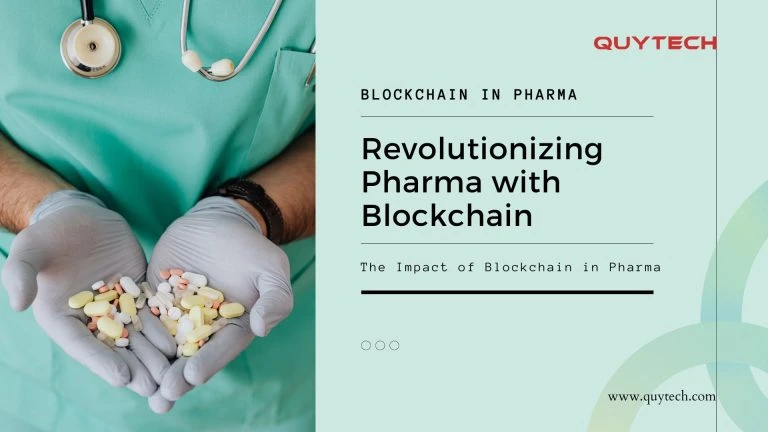
In the ever-evolving landscape of pharmaceuticals, the integration of cutting-edge technologies is pivotal for ensuring efficiency, transparency, and most importantly, the safety of patients. Blockchain in Pharma emerges as a beacon of innovation, promising to reshape traditional practices and address long-standing challenges within the industry. In this comprehensive guide, we delve into the realm of Blockchain technology, exploring its significance, solutions, use cases, implementation considerations, and the promising future it holds for the pharmaceutical sector.
Introduction to Blockchain in Pharma
Importance and Basics
The convergence of Blockchain and pharmaceuticals signifies a monumental shift in how data is managed, transactions are conducted, and trust is established within the industry. At its core, Blockchain is a decentralized ledger technology that enables the secure and transparent recording of transactions across a network of computers. Each transaction, or "block," is cryptographically linked to the previous one, forming a chain of immutable records.
Blockchain Development company have recognized the immense potential of this technology in addressing the intricate challenges faced by the pharmaceutical sector. By leveraging Blockchain, pharmaceutical companies can streamline processes, enhance security, and build trust among stakeholders.
Challenges Addressed
Counterfeit Drugs
Counterfeit drugs pose a significant threat to public health, accounting for billions of dollars in revenue loss and endangering countless lives each year. Blockchain technology offers a robust solution to this pressing issue by enabling end-to-end drug traceability. Through the immutable records stored on the Blockchain, stakeholders can track the entire journey of a drug, from production to distribution, ensuring authenticity and combating the proliferation of counterfeit products.
Supply Chain Management
The pharmaceutical supply chain is notoriously complex, involving numerous intermediaries and disparate systems, which often results in inefficiencies, delays, and vulnerabilities to fraud. Blockchain revolutionizes supply chain management by providing a transparent and tamper-proof platform for tracking the movement of pharmaceutical products. By recording each transaction on the Blockchain, stakeholders can gain real-time visibility into the supply chain, identify bottlenecks, and optimize processes for greater efficiency and accountability.
Regulatory Compliance
Regulatory compliance is a paramount concern for pharmaceutical companies, as non-compliance can lead to severe penalties and tarnish the reputation of the entire industry. Blockchain technology streamlines compliance efforts by automating regulatory reporting and ensuring data integrity. Through smart contracts, which are self-executing contracts with the terms of the agreement directly written into code, pharmaceutical companies can enforce compliance requirements and mitigate the risk of regulatory violations.
Data Security
The protection of sensitive data, including patient information and intellectual property, is a top priority for pharmaceutical companies. Traditional centralized databases are vulnerable to cyberattacks and data breaches, exposing valuable information to unauthorized access. Blockchain offers a decentralized and cryptographically secure platform for storing and sharing data, reducing the risk of unauthorized tampering and ensuring the confidentiality and integrity of sensitive information.
Blockchain Solutions
Transparency
Transparency lies at the heart of Blockchain technology, offering stakeholders unprecedented visibility into transactions and processes. By recording every transaction on a distributed ledger, Blockchain enables real-time access to critical data, fostering trust and accountability across the pharmaceutical ecosystem. From manufacturers to distributors to healthcare providers, all parties can verify the authenticity and integrity of pharmaceutical products, thereby mitigating the risk of fraud and counterfeit.
Immutable Records
The immutability of Blockchain records ensures that once a transaction is recorded, it cannot be altered or deleted without the consensus of the network. This feature provides an irrefutable audit trail of pharmaceutical transactions, enhancing accountability and facilitating regulatory compliance. Moreover, the immutable nature of Blockchain records reduces the risk of data tampering and manipulation, thereby safeguarding the integrity of critical information.
Smart Contracts
Smart contracts automate and enforce the execution of contractual agreements, thereby eliminating the need for intermediaries and reducing the risk of fraud and errors. In the pharmaceutical industry, smart contracts can streamline various processes, such as procurement, licensing, and regulatory compliance. By embedding the terms and conditions of agreements into code, smart contracts ensure transparency, efficiency, and trust in pharmaceutical transactions.
Enhanced Security
Blockchain technology offers enhanced security features, including encryption, consensus mechanisms, and decentralization, which collectively safeguard pharmaceutical data from cyber threats and unauthorized access. By encrypting data and storing it across a distributed network of computers, Blockchain reduces the risk of single points of failure and enhances resilience against cyberattacks. Additionally, consensus mechanisms, such as proof of work or proof of stake, ensure the integrity of transactions by requiring network participants to reach a consensus before validating new blocks.
Use Cases
Drug Traceability
Drug traceability is a critical concern for pharmaceutical companies, as it enables the identification and removal of counterfeit products from the supply chain. Blockchain technology facilitates end-to-end traceability by recording each stage of a drug\'s journey, from production to distribution to consumption. Through the use of unique identifiers and cryptographic signatures, stakeholders can track the provenance of pharmaceutical products in real-time, thereby enhancing patient safety and regulatory compliance.
Clinical Trials
Clinical trials are essential for evaluating the safety and efficacy of new drugs, but they are often plagued by inefficiencies, delays, and data integrity issues. Blockchain technology offers a solution to these challenges by providing a transparent and tamper-proof platform for managing clinical trial data. By recording trial protocols, patient consent forms, and data analysis results on the Blockchain, stakeholders can ensure the integrity and authenticity of clinical trial data, thereby accelerating the drug development process and improving patient outcomes.
Supply Chain Optimization
Supply chain optimization is paramount for pharmaceutical companies seeking to reduce costs, minimize risks, and enhance efficiency. Blockchain technology streamlines supply chain processes by providing real-time visibility into the movement of pharmaceutical products. By recording each transaction on the Blockchain, stakeholders can track the location, condition, and ownership of products throughout the supply chain, thereby identifying bottlenecks, mitigating risks, and optimizing logistics operations.
Drug Authentication
Drug authentication is essential for ensuring the safety and efficacy of pharmaceutical products, particularly in the context of counterfeit drugs. Blockchain technology enables secure and tamper-proof authentication by recording the unique identifiers of pharmaceutical products on the Blockchain. Through cryptographic signatures and consensus mechanisms, stakeholders can verify the authenticity of drugs in real-time, thereby protecting patients from counterfeit products and safeguarding the reputation of pharmaceutical brands.
Implementation Considerations
Integration
Integration with existing systems and processes is a key consideration for implementing Blockchain solutions in the pharmaceutical industry. Blockchain Development companies specialize in integrating Blockchain technology with enterprise systems, such as ERP, CRM, and SCM, to ensure seamless interoperability and data exchange. By leveraging APIs and middleware, Blockchain solutions can interface with legacy systems and facilitate the secure transmission of data across disparate platforms.
Regulatory Hurdles
Regulatory compliance is a significant challenge for Blockchain implementation in the pharmaceutical industry, as it involves navigating complex and evolving regulatory frameworks. Mobile app development companies must work closely with regulatory authorities to ensure that Blockchain solutions comply with relevant laws and regulations, such as HIPAA, GDPR, and FDA guidelines. By conducting thorough risk assessments and engaging in proactive communication with regulators, pharmaceutical companies can mitigate the legal and compliance risks associated with Blockchain implementation.
Interoperability
Interoperability is essential for ensuring the seamless exchange of data and transactions across different Blockchain networks and platforms. Blockchain Development companies employ standardization protocols, such as Hyperledger and Ethereum, to facilitate interoperability and compatibility between diverse Blockchain ecosystems. By adhering to industry standards and protocols, pharmaceutical companies can avoid vendor lock-in and enable the seamless integration of Blockchain solutions with third-party systems and networks.
Scalability
Scalability is a critical consideration for Blockchain implementation in the pharmaceutical industry, as it involves handling large volumes of transactions and data in real-time. Blockchain Development companies employ scalable Blockchain architectures, such as sharding and sidechains, to enhance the performance and throughput of Blockchain networks. By optimizing consensus mechanisms and network protocols, pharmaceutical companies can ensure the scalability and reliability of Blockchain solutions, even in high-demand environments.
Future Outlook
Adoption Projections
The adoption of Blockchain technology in the pharmaceutical industry is poised for exponential growth in the coming years. According to industry forecasts, the global Blockchain in Pharma market is projected to reach billions of dollars by 2025, driven by the increasing demand for transparency, security, and efficiency in pharmaceutical operations. As more pharmaceutical companies recognize the transformative potential of Blockchain technology, adoption rates are expected to accelerate, leading to widespread innovation and disruption within the industry.
Technological Trends
Technological trends, such as artificial intelligence, Internet of Things (IoT), and decentralized finance (DeFi), are expected to complement and enhance the capabilities of Blockchain technology in the pharmaceutical sector. By integrating Blockchain with AI-powered analytics, IoT-enabled devices, and DeFi platforms, pharmaceutical companies can unlock new opportunities for data-driven insights, real-time monitoring, and decentralized transactions. These synergistic technologies will drive further innovation and differentiation in the pharmaceutical industry, enabling companies to deliver greater value to patients and stakeholders.
Industry Collaboration
Industry collaboration is essential for advancing the adoption and standardization of Blockchain technology in the pharmaceutical sector. Blockchain Development companies collaborate with pharmaceutical companies, regulatory authorities, and industry consortia to develop interoperable Blockchain solutions, establish best practices, and promote regulatory compliance. By fostering collaboration and knowledge sharing, stakeholders can collectively overcome barriers to adoption and unlock the full potential of Blockchain technology in pharmaceuticals.
Disruption Potential
The potential for disruption in the pharmaceutical industry is immense, as Blockchain technology enables new business models, processes, and revenue streams. By decentralizing trust, automating processes, and enhancing security, Blockchain has the power to revolutionize pharmaceutical research, development, manufacturing, distribution, and patient care. As Blockchain adoption accelerates and matures, traditional intermediaries and incumbents may face unprecedented challenges and competition from agile and innovative startups leveraging Blockchain technology.
Conclusion & Recommendations
In conclusion, Blockchain technology holds the promise of transforming the pharmaceutical industry, ushering in a new era of transparency, efficiency, and trust. By addressing key challenges, such as counterfeit drugs, supply chain inefficiencies, regulatory compliance, and data security, Blockchain empowers pharmaceutical companies to deliver safer, more effective, and more accessible healthcare solutions to patients worldwide.
To harness the full potential of Blockchain in Pharma, pharmaceutical companies are encouraged to collaborate with Blockchain Development companies to design, develop, and deploy customized Blockchain solutions tailored to their unique needs and requirements. By investing in Blockchain education and training, fostering regulatory compliance, and fostering a culture of innovation and collaboration, pharmaceutical companies can position themselves as leaders in the Blockchain revolution, driving positive change and value creation across the industry.
As we embark on this transformative journey, let us embrace the potential of Blockchain technology to reshape the future of pharmaceuticals, improve patient outcomes, and create a healthier, more sustainable world for generations to come.


























Sign in to leave a comment.