
The digital frontier is not static — new players and platforms keep emerging, and among them is MyCryptoDomain (also stylised as IntelligenceCrypto on its site). At first glance, it presents itself as a crypto-centric platform offering real-time AI analysis, market insights, and access to under-the-radar coins.
But a deeper dive reveals a more tentative footing: the site’s content is sparse, with a default “Hello world” post typical of a fresh WordPress install.
Given this ambiguity, it is worthwhile to explore what MyCryptoDomain might be aspiring to be, the challenges it must overcome, and how it fits (or fails to fit) into the evolving regulatory and functional ecosystem of virtual asset service providers.
What is MyCryptoDomain (IntelligenceCrypto)?
MyCryptoDomain’s landing page touts “Real-time, AI-powered market analysis” and promises access to promising coins before they trend. Yet the site's actual published content is minimal; beyond a placeholder post, it lacks meaningful articles, user engagement, or clear service offerings.
Meanwhile, ScamAdviser gives the domain a trust score of 66%, suggesting it may not be outright fraudulent but that there are uncertainties. In other words, MyCryptoDomain currently resides in a grey area: not evidently malicious, but not transparent or robustly legitimised either.
From the public evidence, MyCryptoDomain could be a nascent project under development, or it may aim to function as a content portal, signal generator, or even a crypto-analytics portal — but with no clear direction or proven track record yet.
The Challenges and Risks for a Platform Like This
1.Trust & legitimacy
In crypto, trust is fragile. Users and investors expect clear identities, regulatory compliance, audited practices, and track records. The lack of content, absence of detailed “About” or “Team” pages, and moderate trust scores all lean toward caution.
2.Scarcity of operational footholds
When a site promises AI-powered insights or early access to trending coins, users naturally assume infrastructure: analytics pipelines, market data feeds, portfolio tracking, or token listing relationships. But MyCryptoDomain currently shows no visible services or value propositions in operation.
3.Regulatory exposure for virtual-asset intermediaries
If MyCryptoDomain ever transitions into functioning as a virtual asset service provider—for example, influencing token issuance, exchange, or custodial services—it would enter a regulated territory. In most jurisdictions, entities offering services in trading, custody, wallet provisioning, or transfer of digital assets must comply with anti–money laundering (AML) / counterterrorism financing rules, licensing regimes, and reporting obligations.
4.Competition and differentiation
In the crypto analytics space, many established names (CoinGecko, Messari, Glassnode, etc.) already dominate. A startup in this space needs either novel capabilities (e.g. proprietary AI models) or particular niche specialization to stand out.
What MyCryptoDomain Must Do to Earn Credibility
To evolve beyond an “idea site,” MyCryptoDomain (or “IntelligenceCrypto”) would need milestones:
- A clear roadmap and vision, disclosed publicly.
- A transparent team profile, with verifiable backgrounds.
- A set of initial working features or trials (analytics dashboards, token screening tools, alerts).
- Rigorous security, data privacy, and infrastructure resilience.
- Compliance steps if shifting to service — licensing, KYC (Know Your Customer) / AML controls, audits.
If it intends to become a virtual asset service provider (VASP) in any sense, the regulatory landscape becomes central. Let’s examine what that means.
Virtual Asset Service Providers: The Regulatory & Functional Context
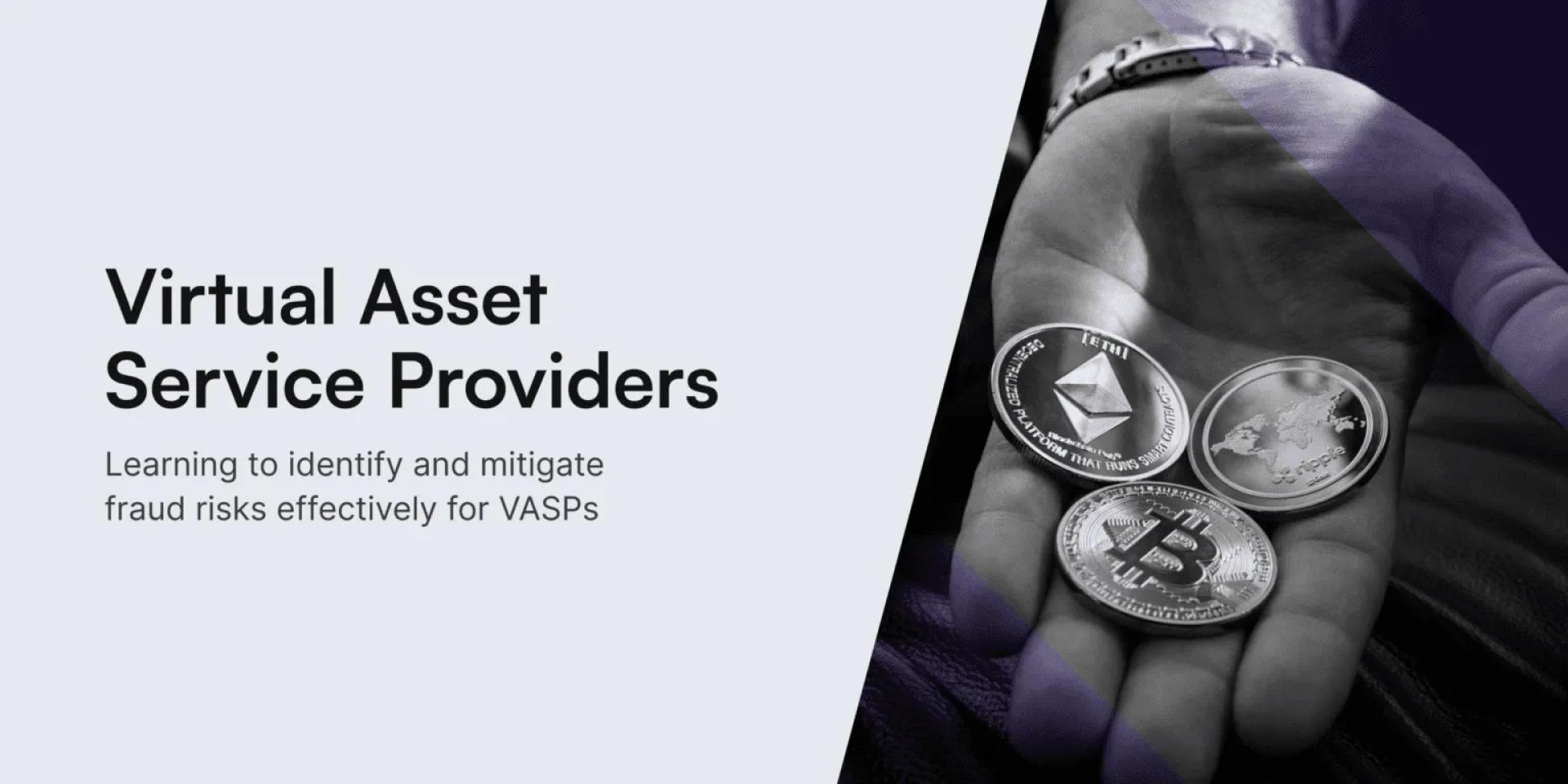
The term virtual asset service providers encompasses entities that facilitate activities around digital assets—such as exchanges, wallet providers, custodians, trading platforms, transfer services, or token issuance intermediaries.
Because VASPs deal with value flows, many jurisdictions impose strong oversight: registration or licensing, customer due diligence, transaction monitoring, suspicious activity reporting, and cross-border coordination. The FATF (Financial Action Task Force) has issued guidance that VASPs must adhere to the same standards as traditional financial institutions in terms of AML/CFT obligations.
As PwC notes, while the opportunity for virtual-asset services is expanding, many VASPs struggle with compliance burdens, capital intensity, and regulatory adaptation. So any emerging project that aspires to become a VASP needs to have regulatory, technical, and operational disciplines baked in from the beginning.
For MyCryptoDomain, if the ambition is to evolve from an insight portal into a service provider, it would need to progressively incorporate compliance frameworks (KYC/AML, audits, reporting) and secure architecture. The difference between “analysis provider” and “service provider” is significant — and one misstep (e.g. facilitating transfers without license) can trigger enforcement actions.
Conclusion: Potential, But Unproven
MyCryptoDomain (operating under the branding IntelligenceCrypto) currently exists more as a concept or placeholder than a full-blown operational platform. With minimal content, uncertain identity, and moderate trust rating, its credibility is yet to be established.
If it plans to grow into a serious entrant in the crypto infrastructure ecosystem, it must evolve carefully and deliberately. The leap from being a market commentary site to becoming a virtual asset service provider is nontrivial: it demands regulatory readiness, technical robustness, transparency, and trust.
For readers or users considering engagement with MyCryptoDomain at this stage, it would be prudent to treat it as speculative. But its ambitions point to a familiar path: bridging crypto analytics, token scouting, and possibly services — a journey many startups in the sector are attempting. Whether it succeeds or fades into obscurity will depend on execution, trust, and compliance just as much as on vision.


























Sign in to leave a comment.