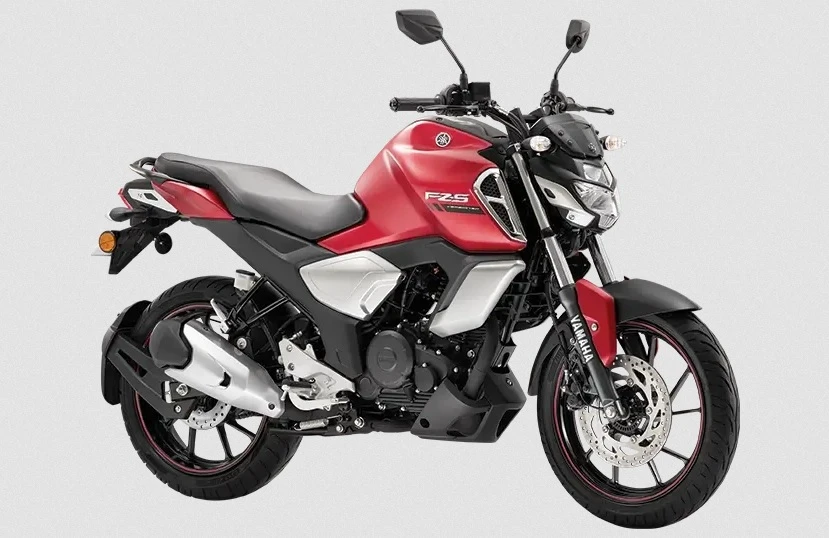

Brakes play a crucial role on motorcycles. Good brakes can save you from any accident. Many motorcycles are available on the market, but the one from Yamaha is different. The FZ Mileage, brakes, and performance will surely impress you.
But today, we embark on a thrilling journey into the fascinating realm of motorcycle brakes. These remarkable contraptions are the unsung heroes, ensuring our safety and igniting our adrenaline as we zip along the open road. So, let us peel back the layers and discover the bewildering array of brake types that keep us in control of our two-wheeled companions.
Some types of brakes on motorcycles
Drum brakes:
Drum brakes take centre stage, exuding nostalgia, and simplicity. Found in older motorcycles and budget-friendly models, drum brakes consist of a metal drum attached to the wheel hub. Inside this magical drum reside brake shoes, patiently awaiting their cue to perform. When the brakes are engaged, these shoes swing into action, pressing against the inner walls of the drum, generating friction, and gradually bringing our speeding machine to a halt. Though they may lack the efficiency of their modern counterparts, drum brakes possess a certain charm, embodying the spirit of motorcycling's yesteryears.
Disc brakes:
Motorcycles often employ disc brakes as their primary type of braking system. They are made up of an attached wheel hub and a rotating disc known as a rotor. When the brake lever is pressed, two brake pads mounted in a calliper that is made of a friction material, such as organic or sintered metal, push against the rotor. The wheel slows down due to friction between the brake pads and the rotor.
Floating disc brakes:
Floating disc brakes emerge from the shadows, dazzling us with their innovative design. In this enchanting setup, the outer ring of the brake rotor is bestowed with the gift of movement, independent from its inner counterpart. This fluidity allows the rotor to expand or contract as temperatures rise and fall, ensuring no warping or brake fade will spoil our thrilling escapade. Floating disc brakes embody grace under pressure, providing unparalleled performance and reliability.
The Anti-lock Braking System (ABS).
Like a guardian angel, ABS comes to the rescue, preventing our wheels from succumbing to the sinister lock-up clutches. Sensors, akin to watchful eyes, constantly monitor the speed of our spinning wheels. When a potential lock-up situation arises, ABS springs into action, a master of hydraulic manipulation. It deftly adjusts brake pressure, momentarily releasing and reapplying it with lightning speed. This intricate dance ensures we maintain control, even in the most treacherous road conditions. ABS is a technological marvel, an invisible force that adds a layer of safety to our daring expeditions.
How to properly brake your motorcycle
How do you come to a graceful halt when the need arises? Fear not, for I shall unravel the mysteries of proper motorcycle braking, unleashing your riding potential like never before!
Embrace the Power of Both Brakes:
Your motorcycle is a harmonious duo equipped with both front and rear brakes. To maximize your braking prowess, engage both brakes simultaneously. While the front brake is the star of the show, offering the lion's share of stopping force, the rear brake plays a supporting role in maintaining stability and distributing the braking forces evenly.
A Dance of Gradual Application:
Smoothness is the name of the game. Forget about sudden jerks and jolts! Instead, caress those brakes, easing them into action. A gentle squeeze of the brake lever and a tender tap on the rear brake pedal—let the braking power build up gradually. Allow the motorcycle's weight to shift forward, connecting with the road for optimal traction.
The Art of Balance:
As you engage your brakes, be mindful of your poise. Avoid tilting too far forward or backward, for it can throw you off-kilter. Stay centred, your body upright, and your feet planted firmly on the footpegs. Such equilibrium will grant you the ability to swiftly adapt to any road or traffic surprises that come your way.
Gaze into the Future:
When the time for braking approaches, widen your view beyond your immediate surroundings. Look ahead and scan the horizon. Seek out lurking hazards, approaching traffic, or any unexpected obstacles that may require adjustment in your braking technique. Anticipate, strategize, and savour the thrill of staying one step ahead.
Braking Ballet:
As you initiate your braking manoeuvre, orchestrate a harmonious interplay between the front brake lever and the rear brake pedal. Begin with a gentle touch, like a lover's caress, and gradually increase the pressure as needed to achieve a controlled deceleration. Smoothness is your ally.
ABS: Your Safety Maestro
In this modern age, motorcycles often come adorned with ABS, the guardian angel of braking. If your steed boasts this technological marvel, remember this: there's no need to pump the brakes frantically in an emergency. Firm and unwavering pressure is the key. Let the ABS system work its magic, preventing those dreaded wheel lock-ups.
Downshift with finesse
As you approach a complete stop, embrace the art of downshifting. Transition through the gears with the grace of a seasoned dancer, synchronizing the motorcycle's speed with the appropriate gear. This balletic movement grants you the gift of engine braking—tapping into the engine's resistance to slow down while maintaining your rhythmic control gently.
The Floor of Practice:
Mastery is born of practice. Seek solace in a controlled environment, an empty parking lot, where you can indulge in the pleasure of honing your braking technique. Explore the boundaries of your motorcycle's responses, familiarise yourself with the nuances of brake input, and embrace the varying braking forces demanded by different situations. The more you practise, the more your confidence will soar.
Maintenance and Inspection:
Regular maintenance and inspection of your motorcycle's braking system are vital for safe riding. Ensure that your brake pads are in good condition and have sufficient thickness. Check the brake fluid level and quality regularly, as contaminated or old brake fluid can affect braking performance. If you notice any issues with your brakes, have them inspected and serviced by a qualified mechanic.
Continuous Learning:
Lastly, always continue learning and improving your riding skills. Take part in advanced riding courses or seek guidance from experienced riders. Staying up-to-date with the latest techniques and safety practices will make you a more confident and skilled motorcyclist.
Conclusion
Using brakes effectively is an essential item in a rider's toolbox. You may cross life's roads more safely and enjoyably if you learn to use the right brake at the appropriate moment.
























Sign in to leave a comment.