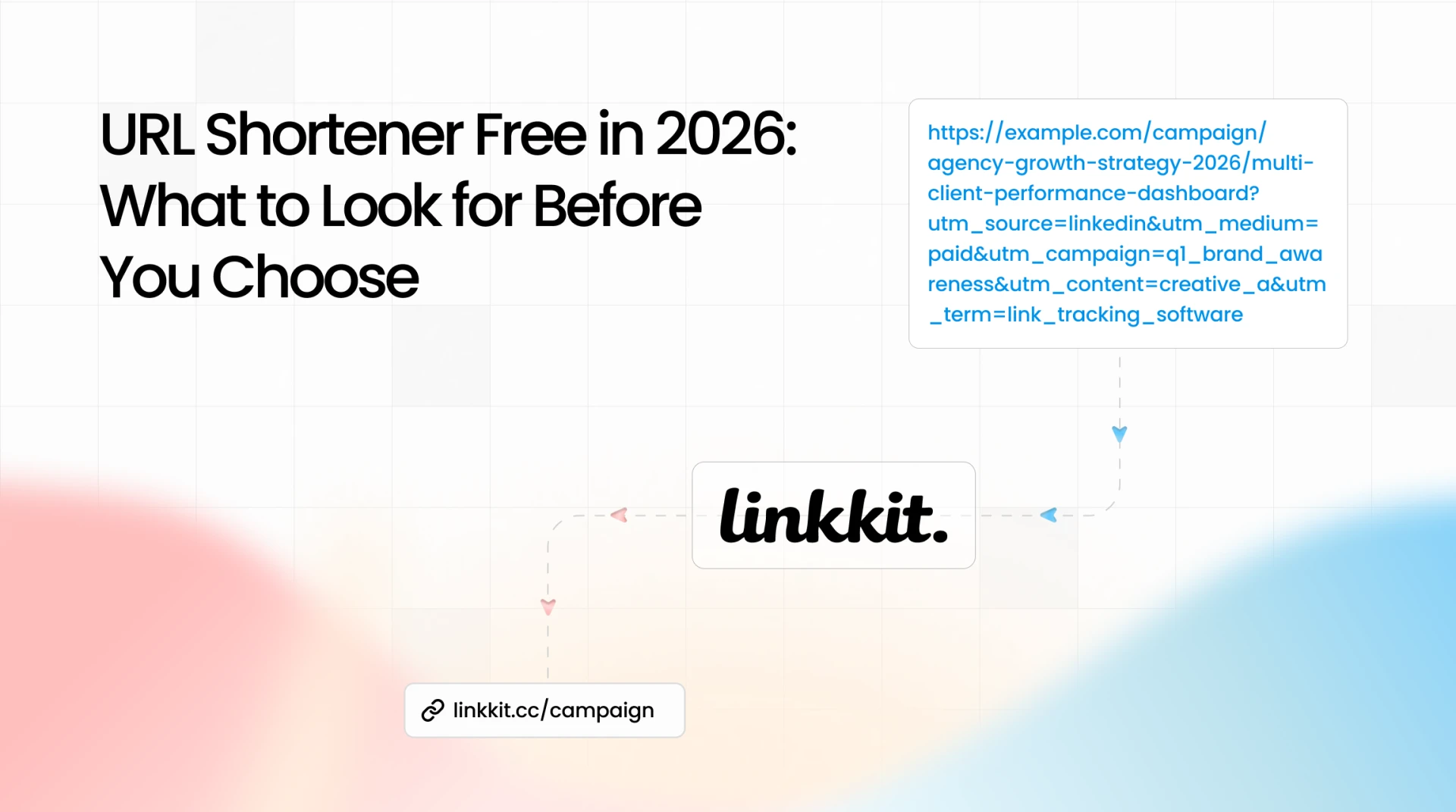

Sharing links online is a daily activity for marketers, creators, and businesses. Whether you are posting on social media, sending emails, or running advertising campaigns, long URLs can quickly become difficult to manage.
That’s where URL shorteners come in.
But in 2026, choosing a free URL shortener isn’t as simple as it used to be. Some tools only create redirects, while others provide structured analytics, campaign tracking, and link management.
Understanding these differences can help you choose the right tool and avoid problems as your campaigns grow.
What Is a URL Shortener?
A URL shortener converts a long web address into a shorter and easier-to-share link.
For example, instead of sharing a long link like:
example.com/products/new-launch-2026-campaign?utm_source=email&utm_medium=paid
You could share a shorter link like:
yourbrand.link/summer
Short links are easier to share on social media, include in marketing campaigns, and remember for users.
Most URL shorteners also provide basic click tracking, which allows you to see how many people clicked the link.
What “Free” Really Means in 2026
Many platforms advertise themselves as free URL shorteners. However, the features included in free plans can vary significantly.
A modern free link shortener should provide:
- Clean redirects without forced ads
- Basic click analytics
- Simple link organization
- Limited monthly clicks with upgrade options
- The possibility to add branded short links later
Some free tools place advertisements before redirecting users to the destination page. While this might work for casual use, it can negatively impact user experience and brand credibility.
For marketing or business use, clean redirects and reliable tracking are essential.
Why Link Structure Matters
Today, links are not just shortcuts.
They often connect directly to marketing campaigns such as:
- Paid advertising campaigns
- Social media bios
- Affiliate marketing funnels
- Email marketing sequences
- Client dashboards and reports
If your link shortener does not support structured organization, managing multiple links quickly becomes confusing.
For example, if all links appear in a single list without folders, tags, or workspaces, tracking campaign performance becomes difficult.
That’s why many professionals prefer platforms that combine short links with basic analytics and link organization.
Example: Tracking Campaign Performance
Imagine you are promoting a new product online.
You create three different links:
- One for Instagram
- One for your email newsletter
- One for Google Ads
A simple shortener might only show total clicks.
However, a structured link tracking platform allows you to compare traffic sources. You can easily see which channel drives the most clicks and adjust your strategy accordingly.
Even small campaigns benefit from this kind of visibility.
When a Free Plan Is Enough
A free URL shortener works well for many situations, including:
- Testing marketing campaigns
- Managing small projects
- Sharing links in social media bios
- Tracking basic click activity
If your traffic is still small or you are experimenting with new campaigns, a free plan can provide everything you need to get started.
When It’s Time to Upgrade
As your campaigns grow, you may need more advanced features.
Upgrading usually becomes necessary when:
- Click volume increases significantly
- You manage multiple brands or campaigns
- You need deeper analytics
- Team members need access to the same links
- You want branded short domains
Using a scalable platform from the beginning can make this transition much easier.
A Modern Approach to Link Tracking
Newer link management platforms combine URL shortening with analytics and campaign organization.
For example, tools like Linkkit provide features such as:
- Click tracking and analytics
- Organized link workspaces
- Clean, fast redirects
- Scalable plans as traffic grows
This approach allows marketers and creators to start with a free plan while maintaining the flexibility to scale later.
Final Thoughts
Choosing a free URL shortener in 2026 is not just about shortening links.
It’s about ensuring that your links remain reliable, trackable, and organized as your projects grow.
A good free tool should help you:
- Share clean links
- Track performance
- Manage campaigns efficiently
If your links are part of marketing campaigns, investing time in choosing the right platform today can save significant effort later.


























Sign in to leave a comment.