
Your car breaks down. The repair quote hits your inbox. And suddenly you're staring at a number that makes no sense for a part you need for maybe two more years of driving.
Sound familiar?
You're not alone. Thousands of car owners in Mississauga face this exact situation every year. And most of them eventually discover the same thing: used car parts can solve the problem at a fraction of the cost.
But here's the catch. Not all used parts are worth buying. And not all sellers are worth trusting.
So before you hand over your money, here's exactly what you need to check first.
Why Used Car Parts Make Sense for Most Repairs
Let's be honest about the math.
A brand new alternator for a Honda Civic can cost $400 to $600 at a dealership. The same part, pulled from a low-mileage salvage vehicle, might cost $80 to $150. Installed by a trusted mechanic, it does the same job.
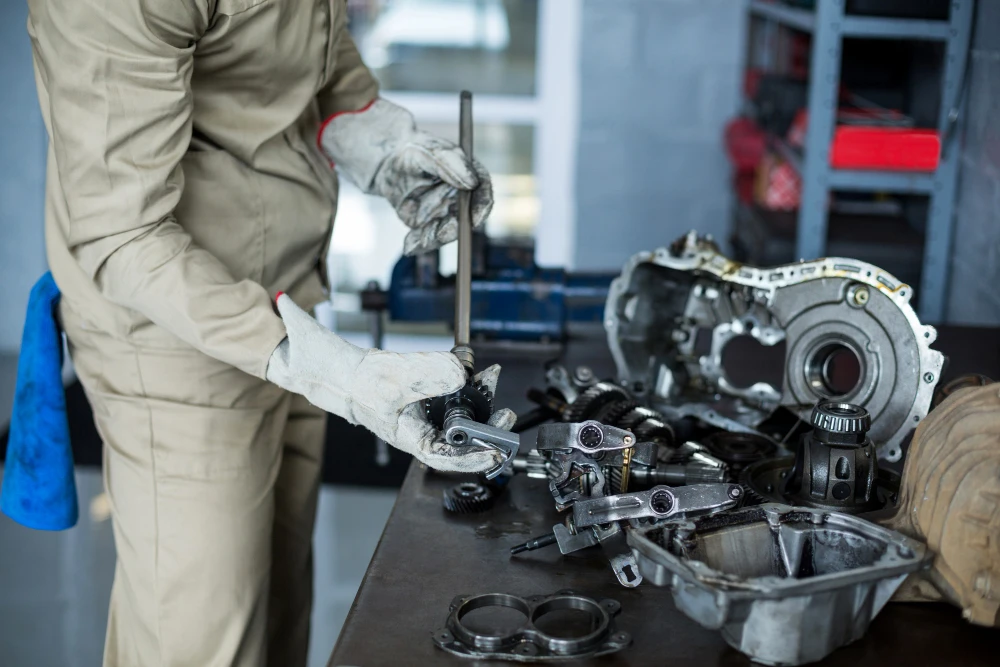
For non-critical components like mirrors, door handles, bumpers, headlights, interior panels, and even engines or transmissions, used parts are a practical and smart choice.
The key word is smart. Buying used parts requires a little more homework than buying new. But that homework takes 20 minutes and can save you hundreds.
Check the Source First
Where the part comes from matters a lot.
Reputable auto recyclers and salvage yards in Mississauga pull parts from vehicles that were written off due to accidents, floods, or age. These businesses inspect, clean, and catalogue their inventory. They know what they have.
Random online listings are a different story. A part sold through a classified ad with no business name, no address, and no return policy is a risk. You have no way to verify the part's history or condition.
When you look for used car parts Mississauga, stick to established auto recyclers with physical locations. Walk in if you can. Ask questions. A legitimate seller will answer them without hesitation.
Verify Compatibility Before You Buy
This is where a lot of buyers make costly mistakes. Car parts are not always universal. Even within the same make and model, parts can vary by year, trim level, and production run. A transmission from a 2015 Honda Civic may not fit a 2017 version of the same car.
Before you buy, confirm:
- The year, make, and model of your vehicle
- The engine size and trim package
- VIN if the seller asks for it
A good seller of used car parts will cross-reference your vehicle details against their inventory before confirming a match. If someone is willing to sell you a part without asking any of this information, slow down.
Ask About the Part's History and Mileage
This step is simple but most buyers skip it.
Ask the seller where the part came from. What vehicle? How many kilometers were on that vehicle? Was it in an accident?
For mechanical parts like engines, transmissions, starters, and alternators, mileage matters. A part pulled from a 40,000 km vehicle has significantly more life left than one from a 300,000 km vehicle.
Most reputable used car parts Mississauga dealers track this information. They record it when the vehicle comes in. If a seller cannot tell you where a part came from, that is a red flag.
Look for a Warranty or Return Policy
This is non-negotiable for mechanical parts.
Any established auto recycler in Mississauga will offer at least a limited warranty on major components. Thirty days is common. Some offer 90 days or more on engines and transmissions.
A warranty tells you one important thing: the seller stands behind what they sell. They have enough confidence in the part to take it back if it fails.
Never buy a mechanical used part without some form of written warranty. Period.
Inspect Before You Commit
If you can physically inspect the part, do it. Look for cracks, rust, stripped threads, worn contacts, and any signs of previous damage. Bring a flashlight. Take photos. If something looks off, ask about it directly.
For body parts, check panel alignment and paint condition. For electrical components, ask if they were tested before removal.
Buying used car parts is one of the smartest ways to cut repair costs without cutting corners. Mississauga has solid options for quality salvage parts. You just need to know what to look for.
Check the source. Verify compatibility. Ask about mileage. Get a warranty. Inspect in person when possible.
Do those five things and you will almost always walk away with a good part at a great price.






























Sign in to leave a comment.