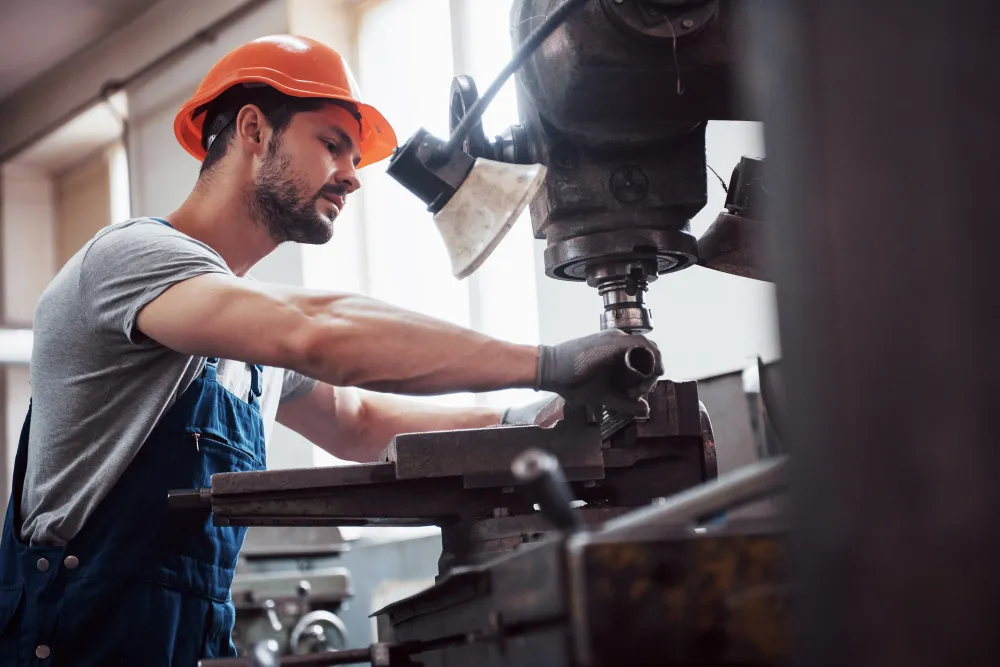

A classroom lecture can teach you what a G-code command does. It won't teach you what happens when your tool path is wrong and the machine starts cutting into material it shouldn't. That kind of lesson only comes when you're doing a hands-on CNC machine course. You see it at the machine, watching it happen, and fixing it yourself.
This is the gap between programs that just cover theory and programs built around real machine time. And it's exactly why employers pay closer attention to candidates who trained on actual equipment.
Why Textbook Knowledge Alone Falls Short
You can memorize every axis, every feed rate formula, and every safety rule in a manual. None of that tells you how a machine actually sounds when a cut is going smoothly versus when something's about to go wrong. Operators build that instinct through repetition, not reading.
A shop floor moves fast. Machines run on tight schedules, and mistakes cost material, time, and sometimes safety. Employers know a graduate who has only seen a CNC machine in a video isn't ready for that pace. Someone who has spent months running parts, adjusting offsets, and troubleshooting alarms is a different story entirely.
What Hands-On Training Actually Looks Like
A strong CNC machine course puts students in front of the machine early, not just in the final weeks. A few things separate the programs that do this well:
- Students get comfortable with controls and setup within the first few sessions, not after weeks of lecture
- Practice work mirrors real production scenarios instead of repeating the same block over and over
- Fixture placement, tool changes, and print reading become habits rather than something figured out for the first time on the job
- Mistakes happen in a controlled setting, which teaches far more than a perfect run ever could
That last point matters more than people expect. A student who scraps a part during training learns from it immediately. On the job, that same mistake could mean a missed deadline. Training is the safe place to make it.
The Direct Link to Job Placement
Employers don't just want someone who understands machining in theory. They want someone who can walk onto the floor and be productive within weeks. Graduates from CNC machine training programs with heavy shop time consistently get hired faster because they need less onboarding.
A few factors shape how quickly graduates land jobs:
1. Co-op placements or apprenticeships that connect students directly with local manufacturers
2. Employers getting to observe work ethic and skill before making a hiring decision, which lowers their risk
3. Word of mouth between shops, since one strong hire often leads a company back to the same program for future graduates
Reputation builds slowly, but once it does, it becomes a steady pipeline into the workforce.
Why This Field Is Worth the Effort
Skilled trades have changed shape over the last decade. Manufacturing jobs today involve programming, precision measurement, and working alongside computer-controlled equipment, not just manual labor.
CNC machining is near the top of the list when people talk about the best paying skilled trade jobs, and demand keeps climbing as experienced machinists retire faster than new ones enter the field.
That demand creates real leverage for someone with solid training. Shops aren't looking to fill a seat. They're looking for people who can run a machine correctly on day one, and they're willing to pay for that.
What to Look for in a Training Program
Not every program offers the same level of hands-on experience. A few questions are worth asking before enrolling:
- How much actual machine time do students get compared to classroom hours?
- Is the equipment current, or will students train on machines with outdated controls?
- Do instructors have real shop floor experience, or mostly classroom teaching backgrounds?
- Does the program offer direct placement support with local employers?
Instructor background especially makes a difference. Someone who has spent years running a shop floor teaches differently than someone who has only worked from a textbook. Those small tips and shortcuts rarely show up in any manual.
The Takeaway for Anyone Considering This Path
Manufacturing needs skilled operators now more than ever. Hands-on training doesn't just teach the mechanics of running a machine. It builds the judgment, speed, and confidence employers actually look for.
CNC programs that prioritize real machine time over lecture hours consistently produce graduates who land jobs faster and perform better once they're there.
For anyone weighing this path, the machine time isn't the hard part of the program. It's the part that gets you hired.
































Sign in to leave a comment.