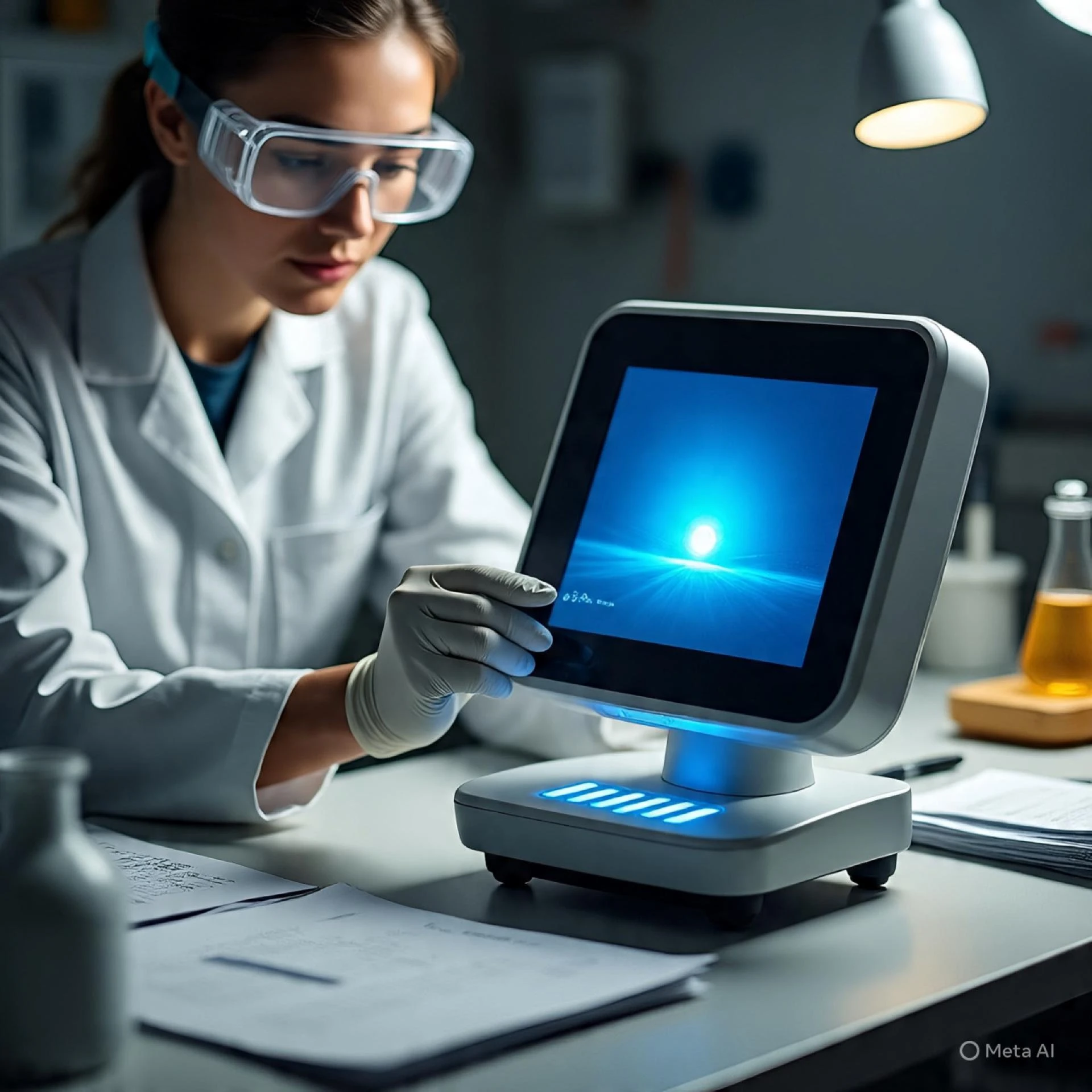
UV detector is a smart device that helps us measure ultraviolet (UV) radiation — a kind of invisible light that comes from the sun and some artificial sources. Even though we cannot see UV light with our eyes, it plays a very important role in our daily lives. It helps in sterilization, scientific research, and manufacturing, but too much exposure can harm our skin, eyes, and even certain materials.
That’s why a UV detector is so valuable. It helps detect and measure UV radiation accurately. This data helps people and industries use UV safely and effectively. Whether in laboratories, factories, or environmental monitoring, UV detectors ensure safety and accuracy.
In this article, we’ll explain everything about the UV detector — what it is, how it works, its importance, applications, types, advantages, and much more. The language will remain very simple, so even a non-technical person can understand it easily.
What Is a UV Detector Device?
A UV detector is an electronic instrument that detects and measures ultraviolet light. Ultraviolet light is part of the electromagnetic spectrum, with wavelengths between 100 and 400 nanometers (nm). Since this light is invisible to our eyes, a UV detector helps us “see” and measure it through electronic signals.
Ultraviolet light is divided into three main categories:
- UVA (315–400 nm): Least harmful; causes skin aging.
- UVB (280–315 nm): Medium harmful; can cause sunburn.
- UVC (100–280 nm): Most powerful; kills bacteria and viruses.
The UV detector measures the intensity of these UV rays and provides a reading that can be used for analysis or safety. For example:
- In laboratories, it helps detect chemical compounds that absorb UV light.
- In industries, it ensures UV lamps work properly for curing or sterilization.
- In weather stations, it measures the UV index from sunlight.
In short, a UV detector is like an electronic eye that senses the invisible and converts it into meaningful information.
How Does a UV Detector Work?
The working of a UV detector is based on converting ultraviolet radiation into an electrical signal. The device uses a photosensitive sensor that reacts when UV light hits it.
Here’s a simple explanation of how it works:
- Detection of UV Radiation:
- The detector’s sensor, usually made of materials like silicon carbide (SiC), gallium nitride (GaN), or aluminum nitride, absorbs UV light when exposed to it.
- Conversion to Electrical Energy:
- When UV photons hit the sensor, they excite electrons inside the material, producing a small electrical current or voltage.
- Signal Amplification:
- The current generated is very weak, so the device amplifies it using internal circuits.
- Display of Results:
- The final signal is displayed on a digital screen or sent to another system for monitoring.
Depending on its use, a UV detector can be of different types:
- Flame UV detectors for fire detection.
- Spectroscopic UV detectors for laboratory analysis.
- Portable UV meters for sunlight and personal use.
In every case, the core idea remains the same — the UV detector takes invisible UV light and converts it into visible, measurable data that helps people make informed decisions about safety, research, or production.
Importance and Benefits of UV Detectors
A UV detector is one of those small devices that have a huge impact in science, safety, and everyday life. It helps ensure both accuracy and protection. Let’s look at why it is so important.
1. Protecting Human Health
Too much UV exposure can cause skin burns, premature aging, and eye damage. A UV detector measures the intensity of UV rays, allowing people to take precautions like applying sunscreen or wearing sunglasses.
2. Industrial Safety
In industries, UV flame detectors are used for fire detection. They quickly sense UV light emitted from flames and trigger alarms, preventing accidents and saving lives.
3. Environmental Monitoring
Weather and research stations use UV detectors to measure solar UV radiation. This helps in calculating the UV index, which informs the public about safe exposure levels.
4. Scientific Research
In laboratories, UV detectors are used in HPLC (High-Performance Liquid Chromatography) systems to identify and measure chemical compounds based on their UV absorption.
5. Quality Control
Factories and hospitals use UV lamps for sterilization and curing. A UV detector ensures that these lamps emit the right amount of UV radiation for efficient performance.
Overall, the UV detector ensures that ultraviolet radiation is used safely, effectively, and accurately across all applications.
Different Types of UV Detectors
There are several types of UV detectors, each designed for a specific purpose. Understanding them helps in choosing the right one.
1. UV Photodiode Detectors
These detectors use semiconductor diodes to convert UV light into an electrical signal. They are simple, compact, and widely used in portable UV meters.
2. UV Flame Detectors
These are safety devices used in industrial environments. They detect UV light emitted by flames and activate safety alarms to prevent fires or explosions.
3. UV Spectroscopic Detectors
These are laboratory instruments that measure how much UV light a chemical sample absorbs. They are used for analyzing and identifying chemical substances.
4. UV-C Detectors
These detectors measure UVC light, which is used in sterilization and disinfection systems. They ensure the light is strong enough to kill bacteria and viruses effectively.
5. Portable UV Meters
These are handheld devices that measure sunlight UV exposure. They are commonly used by individuals to check UV intensity during outdoor activities.
Each UV detector type has its own advantages, but all share one goal — to measure ultraviolet radiation accurately and ensure safety and precision.
Applications of UV Detectors in Daily Life
The UV detector has become an important part of many industries and scientific processes. Here are some of its most common applications explained in simple terms:
1. Flame Detection Systems
Factories, power plants, and oil refineries use UV flame detectors to detect fires. These devices sense UV radiation from flames within milliseconds, helping prevent major accidents.
2. Laboratory Analysis
In chemical and biological laboratories, UV detectors are used in spectroscopic instruments to measure how much UV light is absorbed by a sample. This helps scientists identify and quantify substances accurately.
3. Environmental Monitoring
Meteorological stations rely on UV detectors to record UV intensity from the sun. This helps in calculating the UV index and studying how solar radiation affects the Earth’s atmosphere.
4. Medical and Sterilization Uses
Hospitals and laboratories use UV lamps for sterilization. A UV detector helps check if these lamps emit the correct wavelength for killing germs and bacteria effectively.
5. Personal UV Monitoring
Small, portable UV detectors or wrist-worn sensors help people track how much UV radiation they are exposed to during outdoor activities. This helps prevent sunburn and long-term skin damage.
Whether in a laboratory, a factory, or outdoors, the UV detector plays a vital role in ensuring safety, accuracy, and reliability.
Advantages and Limitations of UV Detectors
Like all devices, the UV detector has its pros and cons. Understanding them helps users operate it more effectively.
Advantages:
- High Accuracy: Detects UV light levels with excellent precision.
- Fast Response: Reacts instantly to changes in UV intensity.
- Versatile Applications: Useful in research, safety, and personal monitoring.
- Compact and Portable: Modern UV detectors are small and easy to carry.
- Enhanced Safety: Prevents health risks and fire hazards caused by UV radiation.
Limitations:
- Limited Range: Some detectors only detect specific wavelengths.
- Environmental Sensitivity: Dust or moisture can affect readings.
- Calibration Needed: Requires regular maintenance for accuracy.
- Cost: High-quality industrial detectors can be expensive.
Even with these limitations, the UV detector remains a reliable and necessary tool for managing ultraviolet radiation in many fields.
Conclusion
The UV detector is a small but powerful device that helps us measure something invisible yet impactful — ultraviolet radiation. From protecting human health to ensuring industrial safety and helping in scientific research, it plays a major role in our world today.
Understanding how a UV detector works and where it can be used allows us to apply ultraviolet light safely and effectively. Whether you’re a scientist, engineer, or everyday user, the UV detector is your trusted tool for measuring and managing UV energy accurately.
In a world that relies more and more on technology, this simple device ensures safety, accuracy, and progress — all while dealing with light we can’t even see.
Frequently Asked Questions (FAQs)
1. What is a UV detector used for?
A UV detector is used to measure ultraviolet radiation levels for scientific, industrial, and personal safety purposes.
2. How does a UV detector work?
It works by using a photosensitive sensor that converts UV light into an electrical signal, which is then processed and displayed as readable data.



























Sign in to leave a comment.