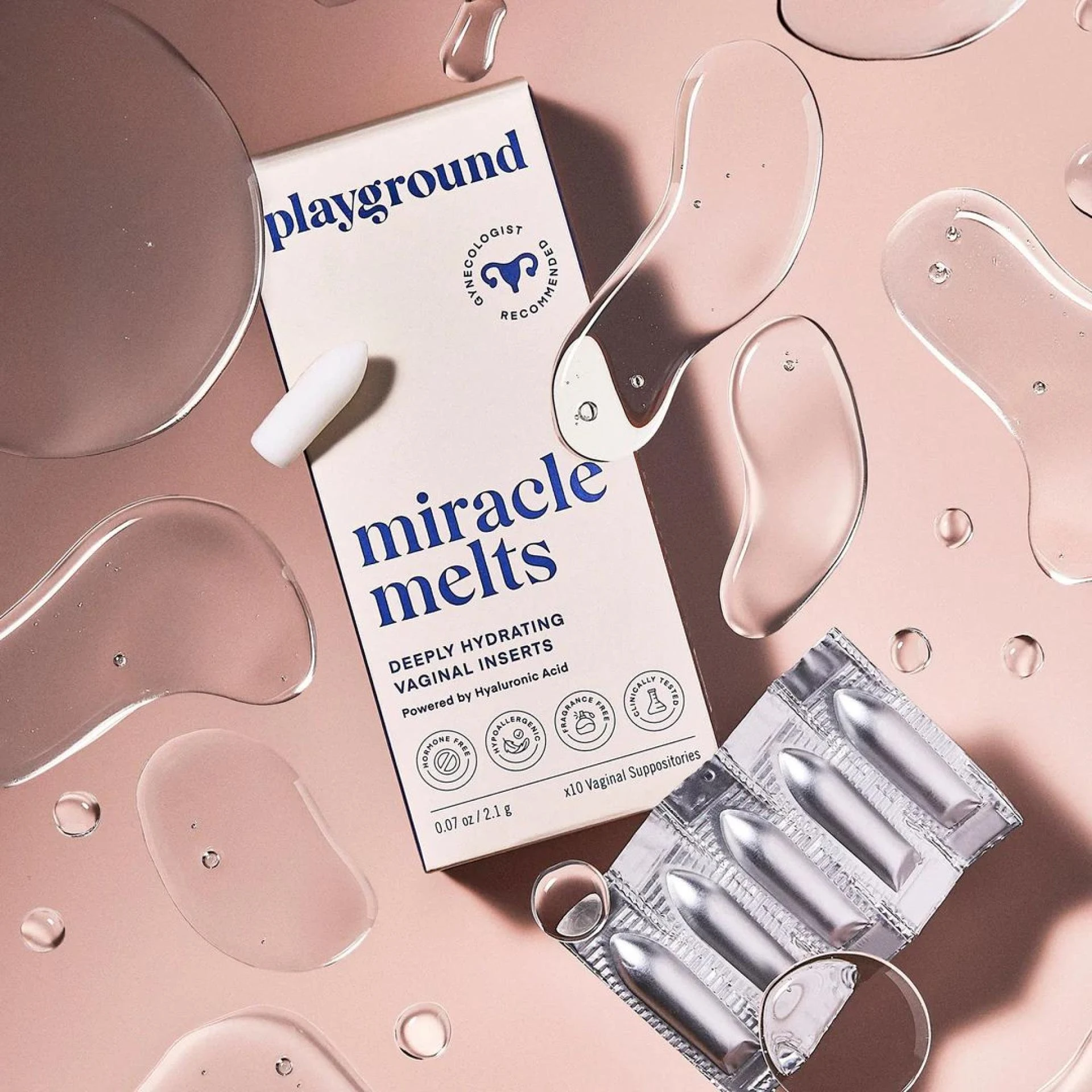

A simple guide to vaginal health products for odor, dryness, and comfort, plus what to avoid, when to see a doctor, and 6 quick FAQs.
When you feel itching, new odor, dryness, or irritation, it is normal to look for Vaginal Health Products. The hard part is that the vagina is self-cleaning, and the vulva (outside skin) is easy to irritate. That is why medical guidance often says to skip perfumes, deodorants, and internal “cleansing” products, and keep care gentle.
This guide helps you pick Vaginal Health Products based on your symptoms, where the product is used (outside vs inside), and what ingredients and claims to avoid.
Vaginal health products that support natural balance
Your vagina stays healthy because of helpful bacteria and an acidic pH. Douching and scented internal products can disrupt that balance, so ACOG advises avoiding them.
Most “balance-friendly” Vaginal Health Products are simple and targeted. Think “comfort and protection,” not “deep clean.”
Vaginal health products for gentle daily care
For day-to-day hygiene, focus on the outside only. ACOG recommends washing the vulva with plain, fragrance-free soap (if you use soap at all), rinsing well, and avoiding perfumed products.
A practical routine:
- Warm water on the vulva; use a tiny amount of fragrance-free soap if needed.
- No soap or water inside the vagina.
- Breathable underwear; change out of sweaty clothes soon after exercise.
- If you use wipes, pick unscented and stop if you feel stinging.
If you shop for Vaginal Health Products in this category, choose “fragrance-free,” “external use,” and “pH-friendly” only as a bonus, not a guarantee.
Vaginal health products for common problems
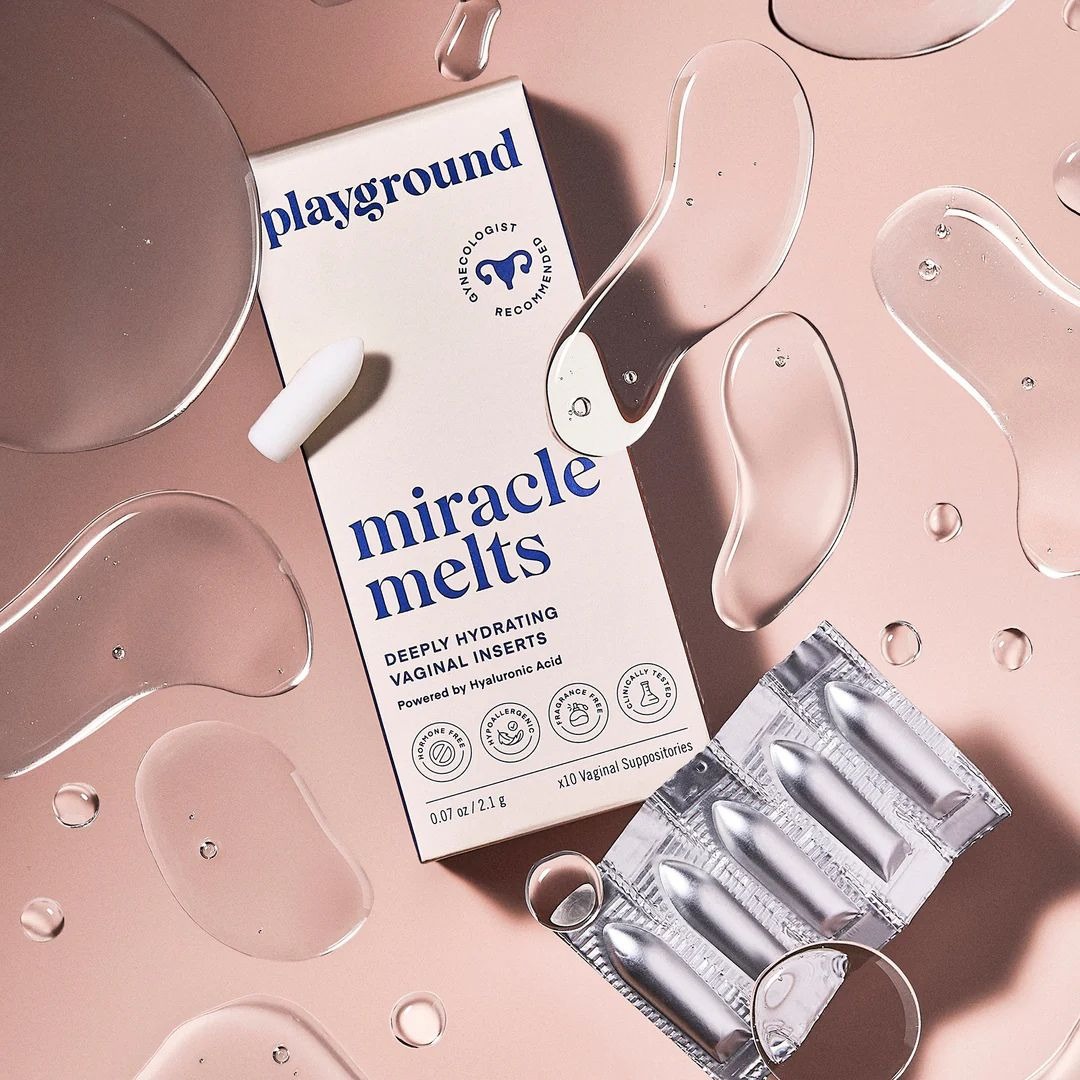
Here is how to match Vaginal Health Products to what you are actually dealing with.
1) Dryness and friction
Dryness can come from hormonal changes, stress, postpartum shifts, some medicines, or perimenopause. For comfort, use water-based lubricants for sex and vaginal moisturizers used regularly (not just during sex). One women’s health source notes lubricants and vaginal moisturizers can be fine, and to avoid scents and stop anything that irritates you.
2) Itching and “cottage cheese” discharge
This can be yeast, but symptoms can overlap with other issues. If you get repeat symptoms, testing saves time and prevents wrong treatments.
3) New strong odor
A mild smell is normal. A strong fishy odor with thin discharge can point to bacterial vaginosis (BV). Masking sprays are not a fix. If odor is new, persistent, or comes with burning, get checked.
4) Recurrent infections
Boric acid is sometimes used for resistant or recurrent vaginal infections as part of a clinician-guided plan.
This is a place where “stronger” Vaginal Health Products can help, but only when you know what you are treating.
Vaginal health products checklist: what to buy and what to skip
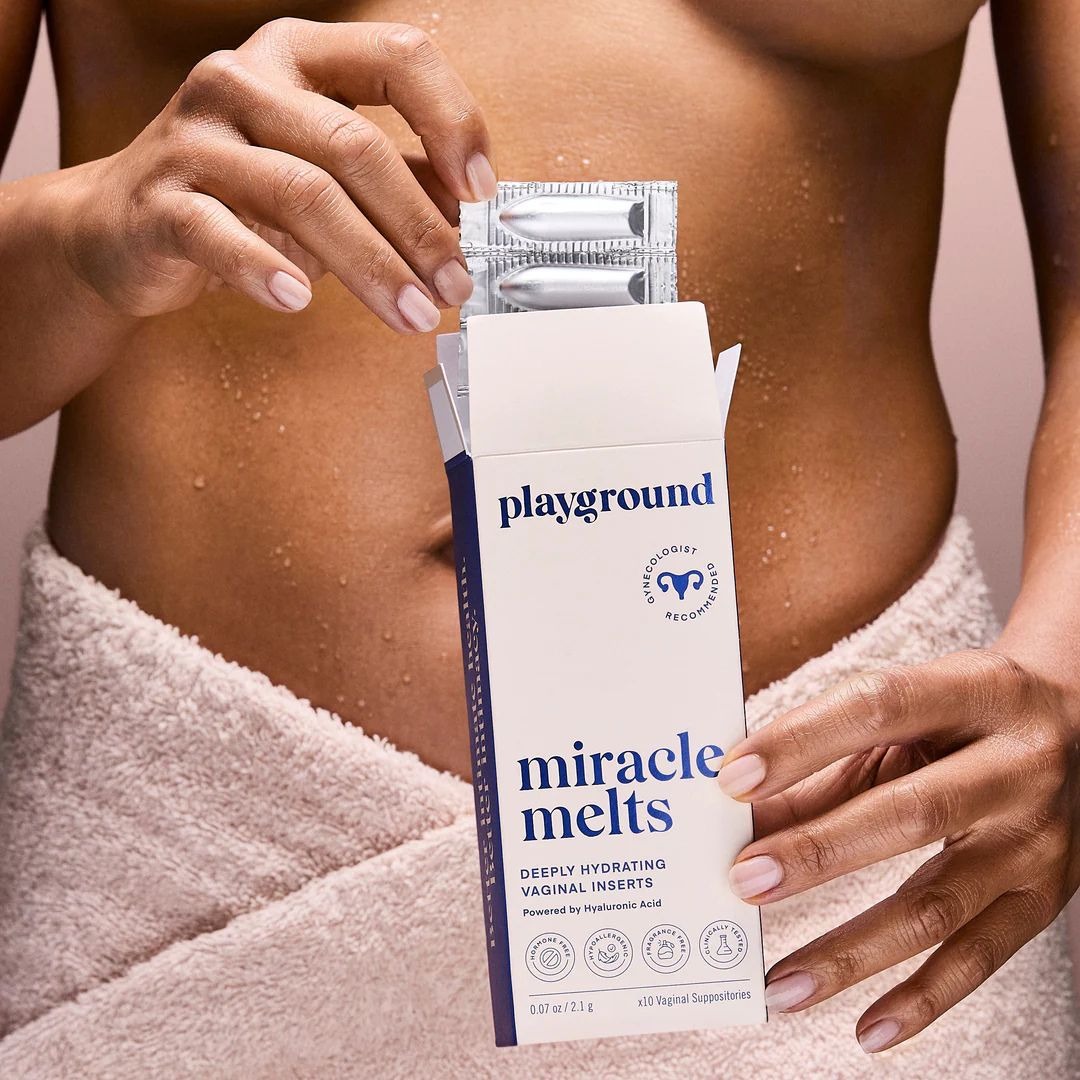
Use this quick checklist when choosing Vaginal Health Products.
Choose:
- Fragrance-free and dye-free
- Clear directions and safety notes
- Simple ingredient list (fewer irritants)
- External-use products unless a clinician recommends internal use
Skip:
- Douches and internal “cleansers”
- Perfumes, deodorants, and strong essential oils on vulvar skin
- “Tighten,” “detox,” or “flush out” claims
Also, if you use condoms, avoid oil-based lubricants because they can weaken latex; water-based is usually safer for condom users.
Frequently Asked Questions
What are the best Vaginal Health Products for everyday care?
Usually the simplest: warm water on the vulva, fragrance-free soap only if needed, and no internal cleansing. Add a gentle external product only if you truly need it.
How do I keep vaginal pH balanced?
Avoid douching and scented products, and treat symptoms based on the real cause. If problems keep coming back, get tested instead of switching products repeatedly.
Is it safe to use a feminine wash every day?
Many people do not need it daily. If you use one, use it only on the vulva, choose fragrance-free, and stop if you feel dryness or burning.
Do probiotics help with vaginal health?
They may help some people, but results vary. If you have frequent BV or yeast symptoms, diagnosis and a clinician plan matter more than supplements alone.
When should I use boric acid suppositories?
Boric acid is sometimes used for resistant or recurrent infections, often alongside prescription treatment, and usually with medical guidance. Do not take it by mouth.
How do I know if I have BV or a yeast infection?
BV often has a strong fishy odor and thin discharge, while yeast often causes itching and thicker white discharge. Symptoms can overlap, so testing is the fastest way to choose the right treatment.






























Sign in to leave a comment.