Introduction
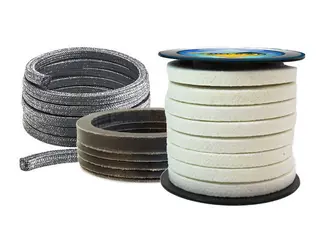
China Industrial Valve Seal Kits Manufacturer Provides Low-Emission Valves and High-Performance Packing & Seal Materials for Demanding Applications.
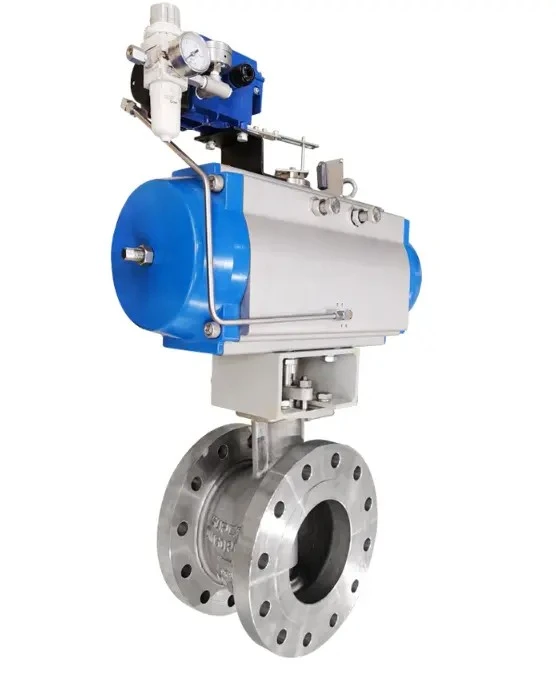
Eccentric rotary control valves are vital components in modern fluid handling systems, offering precise regulation of gases and liquids across a wide range of industries. Unlike linear motion valves, these valves operate through a quarter-turn rotary motion (typically 90 degrees), allowing efficient control over flow paths. Their robust design, high performance, and adaptability make them an ideal solution for applications from basic flow shutoff to advanced flow modulation under severe conditions.
This article explores the working principle, design benefits, and key features of eccentric rotary control valves, highlighting why they are preferred in demanding environments.
What is an Eccentric Rotary Control Valve?
An eccentric rotary control valve features a closure element—typically a disc or plug—that rotates away from the seat during operation, minimizing contact between sealing surfaces. The term “eccentric” refers to the offset between the shaft and the disc’s center, which reduces friction and wear during opening and closing. This design leads to smoother operation, lower maintenance needs, and extended valve life—particularly valuable in severe service environments.
Working Principle of Eccentric Rotary Control Valves
The core operating mechanism involves a rotational movement of the plug or disc, mounted on an offset shaft. The actuator turns the shaft, causing the disc to swing away from or toward the seat:
- Opening: The disc disengages from the seat without sliding, reducing wear and friction.
- Flow Modulation: The flow rate is adjusted by the angular position of the disc, enabling precise flow control.
- Closing: The disc moves back toward the seat, with the eccentric motion ensuring a secure, tight seal.
This quarter-turn motion eliminates the sliding friction seen in linear valves, improving both operational efficiency and sealing performance.
Key Features and Advantages
1. Exceptional Reliability and Performance
Eccentric rotary valves are known for their consistent performance and ability to handle tough operating conditions. Key features include:
- Self-centering seat seal: Ensures dynamic alignment with the plug for tight sealing.
- Automatic lapping effect: The disc naturally aligns with the seat during closure, enhancing sealing integrity.
- Protected metal bearings: Bearings are shielded from media contamination, ensuring smooth operation and reduced failure risk.
These attributes collectively enhance the valve’s lifespan and reliability in critical applications.
2. Extended Seat and Component Life
Durability is a hallmark of eccentric rotary valves, owing to design elements that minimize wear on sealing surfaces:
- Eccentric motion: Reduces direct contact during actuation, minimizing erosion and mechanical fatigue.
- High-performance materials: Seat options include:
- 316 stainless steel
- A105 forged carbon steel with hardfacing
- Industrial ceramics
These materials offer superior resistance to corrosion, erosion, and high temperatures. Additionally, the low-torque operation contributes to longer actuator life and reduced maintenance frequency.
3. Flexible Installation Options
Designed for convenience and versatility, these valves support multiple installation configurations:
- Flanged ends: For easy integration into standard piping systems.
- Flangeless (wafer type): Space-saving design ideal for compact installations.
- Concealed flange bolts: Improves aesthetics and protects fasteners from harsh environments.
Precision-machined valve bodies ensure proper alignment and leak-tight installation, reducing setup time and operational issues.
4. Bidirectional Sealing and Flow Versatility
Eccentric rotary valves are engineered for effective sealing in both flow directions, offering unmatched flexibility:
- Forward/reverse sealing: Self-centering seats and robust plugs enable tight sealing regardless of flow direction.
- Reverse flow protection: Flow turbulence is directed away from the sealing surface, reducing erosion and extending service life.
- 90-degree operation: Minimizes internal scouring, protecting sealing components from wear even under abrasive or turbulent flow.
This feature simplifies system design and valve placement, offering greater freedom to engineers and installers.
Typical Applications
Thanks to their rugged design and reliable performance, eccentric rotary control valves are widely used across industries, including:
- Chemical and Petrochemical: For handling corrosive, abrasive, or high-temperature fluids.
- Power Generation: In steam and cooling water systems requiring durable and accurate control.
- Water and Wastewater Treatment: Managing large volumes and varying pressure conditions.
- Oil and Gas: For upstream, midstream, and downstream control of media with solids or harsh conditions.
- Pulp and Paper: Managing slurries and other abrasive flows in pulp processing lines.
These valves are ideal for both modulation and isolation in systems where reliability is critical.
Customization and Actuation Options
To meet diverse operational needs, eccentric rotary valves can be equipped with various actuation and control systems:
- Manual gears: For basic on/off operation.
- Electric actuators: Enable automated control and integration into process control systems.
- Pneumatic actuators: Fast, reliable operation in explosive or hazardous environments.
- Advanced accessories: Including positioners, feedback sensors, solenoid valves, and limit switches for enhanced automation and safety.
Such modular customization allows users to tailor the valve system to specific performance, safety, and operational requirements.
Maintenance and Longevity
Eccentric rotary valves are designed for minimal maintenance and long service life:
- Low operating torque: Reduces actuator stress and wear.
- Reduced friction movement: Eccentric design minimizes component wear, extending time between service intervals.
- Easy maintenance: Field-replaceable parts such as seats, seals, and actuators reduce downtime and simplify repairs.
With fewer wear-prone elements than traditional linear valves, these valves support efficient, low-cost operation throughout their lifecycle.
Conclusion
Eccentric rotary control valves offer a powerful blend of precision, reliability, and durability for modern flow control applications. Their unique eccentric design minimizes friction, enhances sealing, and extends operational life—even under extreme service conditions. With flexible installation options, bidirectional sealing, high-grade material choices, and diverse actuation capabilities, these valves meet the evolving demands of industries worldwide.
For both new system designs and retrofit applications, choosing an eccentric rotary control valve can significantly improve process performance, reduce maintenance costs, and ensure consistent control over critical operations.Know more about Google SEO Directory





















Sign in to leave a comment.