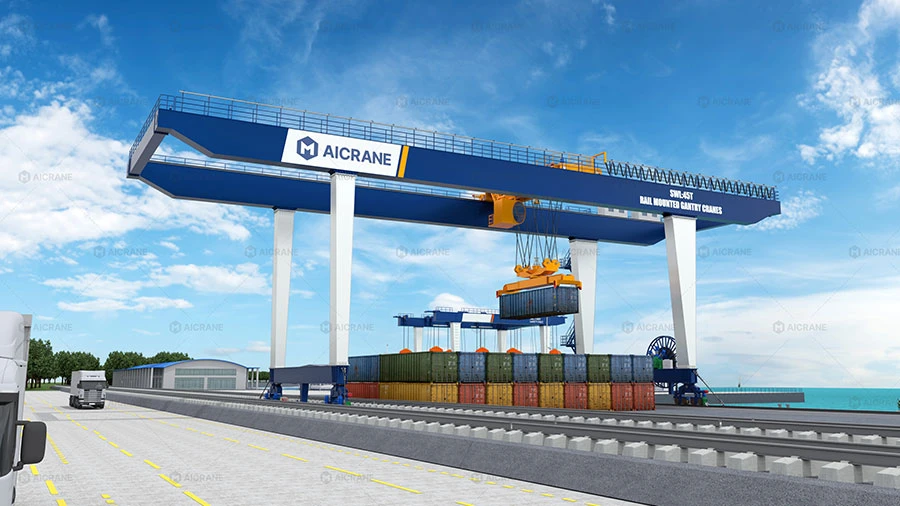

Rail Mounted Gantry (RMG) cranes are essential equipment in container terminals, ports, and large logistics hubs. These cranes handle heavy containers and materials, often operating continuously in challenging environments. Given their high power consumption and operational demands, optimizing their energy efficiency has become a top priority for operators seeking both environmental sustainability and cost savings. One of the most effective technologies contributing to this goal is the Variable Frequency Drive (VFD). This article explores the role of VFDs in RMG cranes, the energy efficiency benefits, and key considerations when implementing this technology.
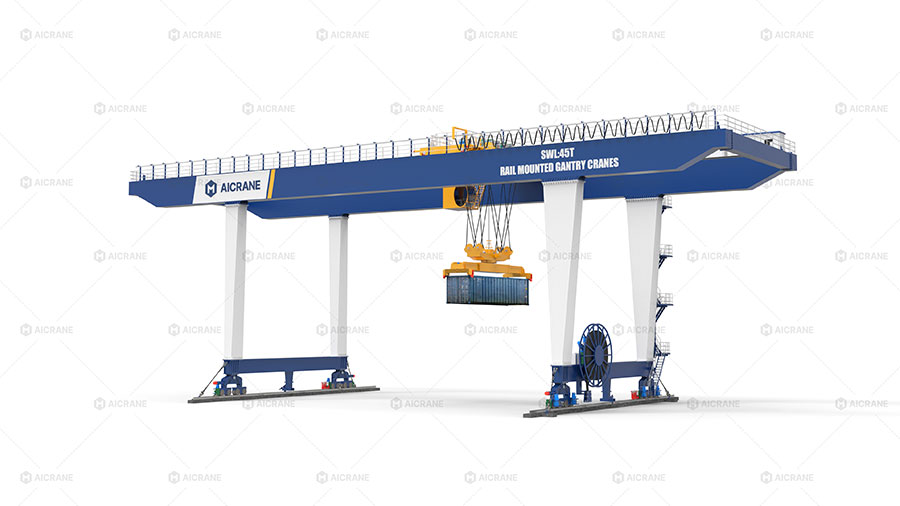
Understanding Variable Frequency Drives
A Variable Frequency Drive (VFD) is an electronic device that controls the speed and torque of an electric motor by varying the input frequency and voltage. Unlike traditional fixed-speed motors that operate at a constant speed, VFDs allow motors to run at speeds precisely matched to the operational requirements.
In RMG cranes, VFDs are commonly used to control:
- Hoisting Motors – Responsible for lifting and lowering containers.
- Trolley Travel Motors – Control the horizontal movement of the trolley along the crane girder.
- Bridge Travel Motors – Manage the movement of the entire crane along the rails.
By allowing these motors to operate only at the speed required for the load and task, VFDs significantly reduce energy consumption and mechanical stress.
Energy Efficiency Benefits of VFDs in RMG Cranes
Implementing VFD technology in rail mounted gantry cranes provides several energy efficiency benefits, which can be grouped into three main categories: power savings, mechanical efficiency, and operational optimization.
1. Reduced Energy Consumption
RMG cranes are heavy-duty equipment, often powered by large AC motors. Conventional cranes without VFDs operate at full speed and voltage regardless of the load, resulting in excessive energy consumption. VFDs adjust motor speed based on real-time operational demands, meaning that energy is only used when needed.
For instance, during light-load movements or precise positioning of containers, the motor can operate at a lower speed, reducing both energy consumption and heat generation. Studies have shown that VFDs can reduce energy consumption in RMG cranes by 20-30% depending on operational patterns and load variability.
2. Regenerative Energy Recovery
Another key energy-saving feature of VFDs is regenerative braking. When an RMG crane lowers a load or decelerates, kinetic energy is typically wasted as heat in conventional braking systems. With a VFD, this energy can be captured and fed back into the electrical network, either to supply other equipment in the facility or to reduce overall energy demand.
For container terminals with multiple RMG cranes operating simultaneously, regenerative energy recovery can lead to substantial savings and even reduce the peak power demand, lowering electricity costs.
3. Improved Mechanical Efficiency
VFDs provide smoother acceleration and deceleration, reducing mechanical shocks and wear on the crane components, including the hoist, trolley, and bridge mechanisms. This not only extends the lifespan of the crane but also reduces maintenance requirements, indirectly contributing to operational efficiency. Less frequent replacement of components like brakes, gearboxes, and motors reduces both downtime and associated energy costs for maintenance operations.
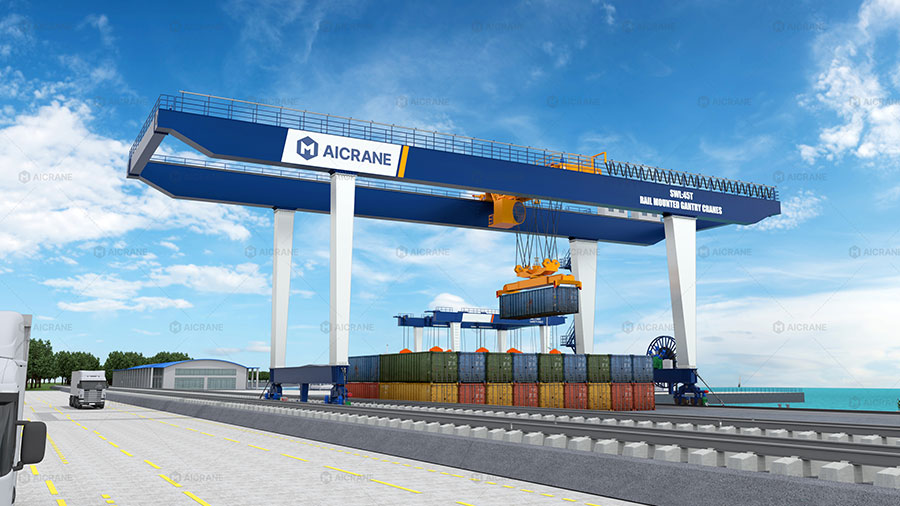
Operational and Control Advantages
Beyond energy savings, VFDs provide operational advantages that further enhance the efficiency of RMG cranes.
1. Precise Speed Control
VFDs enable precise control over motor speed, which is critical for container handling. Operators can achieve smooth starts and stops, preventing container swinging and improving the safety and speed of operations. Precision reduces unnecessary energy usage caused by abrupt acceleration or braking.
2. Multiple Operating Modes
Modern VFDs support multiple operating modes, including:
- Eco Mode – Optimizes motor speed for energy efficiency.
- High-Speed Mode – Enables maximum speed for urgent container handling.
- Load-Adaptive Mode – Adjusts speed according to the weight of the load.
These modes ensure that the crane operates optimally in varying conditions, balancing speed and energy consumption.
3. Integration with Automation Systems
RMG cranes are increasingly integrated with terminal operating systems (TOS) for automated operations. VFDs can interface with these systems to dynamically adjust motor speed and torque, ensuring that energy usage aligns with container traffic and operational priorities. In fully automated container yards, this integration can lead to significant energy reductions without compromising throughput.
Key Considerations for Implementing VFDs in RMG Cranes
While VFDs offer clear advantages, their implementation in RMG container cranes requires careful consideration to ensure optimal performance and reliability.
1. Motor Compatibility
Not all motors are compatible with VFDs. Motors used in RMG cranes should be designed or rated for variable frequency operation to avoid overheating, insulation damage, or premature failure. Typically, three-phase AC induction motors or permanent magnet synchronous motors are suitable for VFD control.
2. Load Characteristics
The energy-saving potential of a VFD depends on the load profile of the crane. Cranes that frequently operate under partial load conditions, with intermittent acceleration and deceleration, benefit most from VFDs. For cranes that always operate at near-full load, the energy savings may be less pronounced.
3. Harmonic Distortion and Power Quality
VFDs generate harmonics that can affect the power quality in the facility. Proper harmonic mitigation devices, such as filters or active front-end converters, are essential to prevent interference with other electrical equipment and to comply with utility regulations.
4. Regenerative Braking Infrastructure
To fully utilize regenerative energy, the facility’s electrical network must support energy feedback. Some terminals install DC bus-sharing systems or energy storage solutions to capture regenerated energy for use by other cranes or equipment, maximizing efficiency.
5. Maintenance and Monitoring
While VFDs reduce mechanical wear, they introduce electronic components that require monitoring. Advanced VFDs include diagnostic features and predictive maintenance alerts, which can detect overheating, overcurrent, or other operational anomalies, ensuring reliability and minimizing downtime.
Case Study: Energy Savings in a Modern Container Terminal
A modern container terminal equipped with 10 RMG cranes retrofitted with VFDs reported the following improvements:
- Energy consumption reduction: Approximately 25% per crane during normal operations.
- Regenerative energy recovery: Up to 15% of the total energy used was returned to the facility grid.
- Reduced mechanical wear: Maintenance costs for brakes and hoist mechanisms decreased by 18%.
- Operational efficiency: Cycle times improved due to smoother acceleration and precise load positioning.
This demonstrates that VFD implementation not only saves energy but also enhances operational reliability and safety.
Conclusion
Variable Frequency Drives are a transformative technology for RMG cranes, offering significant energy efficiency, operational precision, and mechanical reliability. By adjusting motor speed and torque to match real-time load conditions, VFDs reduce unnecessary energy consumption, minimize mechanical wear, and enable regenerative energy recovery.
For container terminals and industrial facilities looking to optimize energy usage and operational performance, investing in VFD-equipped RMG cranes is a strategic decision. However, successful implementation requires careful consideration of motor compatibility, load characteristics, harmonic mitigation, and regenerative infrastructure. With the right planning and technology integration, VFDs can deliver substantial cost savings, improve sustainability, and enhance the overall efficiency of rail-mounted gantry crane operations.
Sign in to leave a comment.