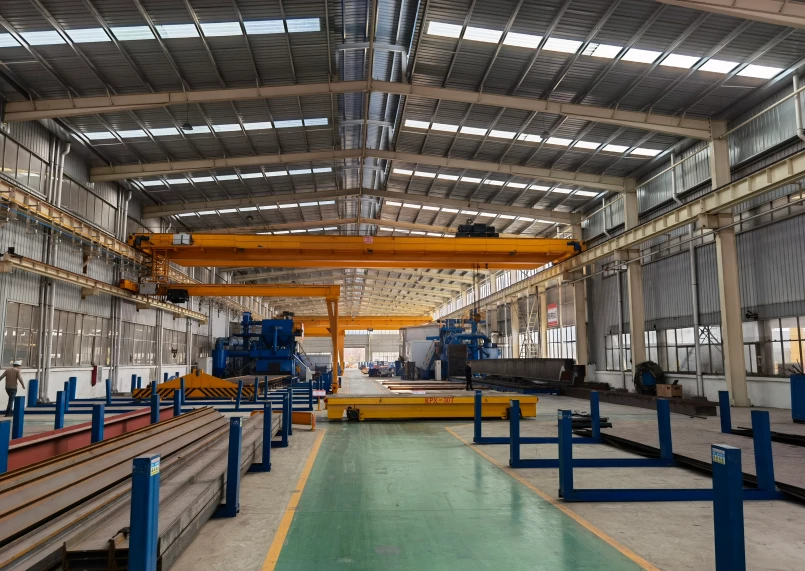

The efficiency and safety of double girder Electric Overhead Traveling (EOT) cranes depend heavily on the working conditions within the facility where they operate. Among the numerous factors that influence crane performance, visibility and lighting are often overlooked but critically important. Proper lighting and clear sightlines in crane working areas not only enhance operator efficiency but also significantly reduce the risk of accidents, equipment damage, and production delays. This article examines the visibility and lighting requirements for double girder EOT crane operations, providing practical guidelines and insights for industrial facilities.

Importance of Visibility in EOT Crane Operations
Visibility in crane operations refers to the operator's ability to clearly see the load, the crane path, surrounding obstacles, and personnel within the work area. For double girder EOT cranes, which typically handle heavier loads over longer spans compared to single girder cranes, visibility is even more crucial. Poor visibility can lead to misalignment of loads, collisions with structural components, or even severe accidents involving personnel.
Several factors affect visibility in EOT crane operations:
- Operator Positioning: In double girder EOT cranes, operators may be stationed in a cabin mounted on the crane or rely on ground-based control. Elevated cabins offer better sightlines, but their effectiveness depends on the design, window placement, and glare control.
- Load Obstruction: Large or bulky loads can obstruct the operator’s view of the path or surroundings, increasing reliance on mirrors, cameras, or spotters.
- Facility Layout: Overhead structures, machinery, and racking systems can block sightlines, creating blind zones.
- Environmental Conditions: Dust, smoke, steam, or poor weather conditions in indoor/outdoor facilities reduce visual clarity.
To mitigate these issues, facility managers and crane designers must prioritize visibility in crane layout planning, operator positioning, and supplemental visual aids.
Lighting Standards for EOT Crane Working Areas
Proper lighting is fundamental to visibility. The lighting requirements for EOT crane working areas are guided by international standards, such as ISO, OSHA, and national electrical and safety codes. Adequate lighting ensures that operators can detect hazards, accurately position loads, and work efficiently throughout the day or night.
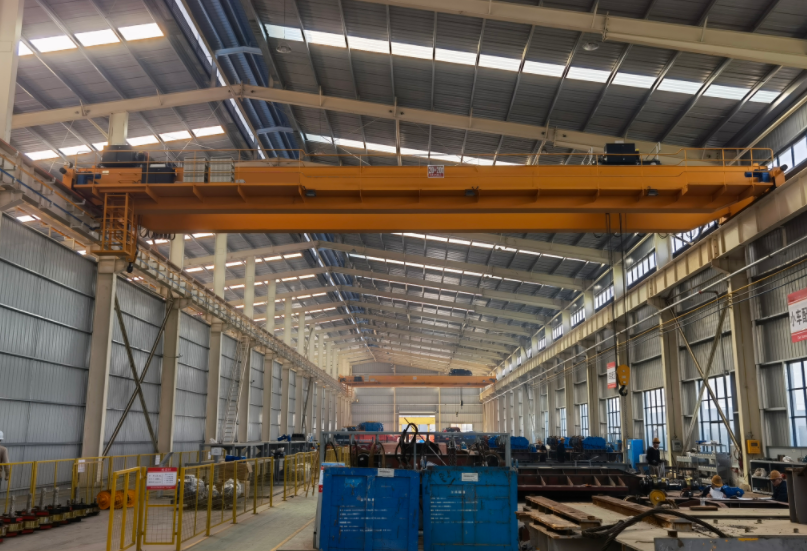
Key Lighting Requirements
Illuminance Levels:
Illuminance is the measure of light falling on a surface, typically measured in lux (lx). For double girder EOT crane areas, recommended illuminance levels vary depending on the facility and task complexity:- General workshop areas: 300–500 lx
- Heavy lifting zones: 500–750 lx
- Precision operations or inspection areas: 750–1000 lx
These levels help operators distinguish load edges, crane controls, and surrounding obstacles with minimal eye strain.
- Uniformity of Lighting:
Uneven lighting creates glare, shadows, and high-contrast areas that impair depth perception. Lighting uniformity is essential for EOT crane work, particularly in areas where the crane travels along long spans. A uniformity ratio (minimum to average illuminance) of at least 0.6 is recommended. - Color Rendering:
The Color Rendering Index (CRI) measures how accurately a light source displays colors compared to natural light. For crane operations, a CRI of 80 or higher is preferred to ensure that load markings, safety signs, and color-coded signals are clearly visible. - Minimizing Glare and Reflections:
Glare from overhead lights or reflections from metallic surfaces can temporarily blind operators. Anti-glare diffusers, indirect lighting, and matte surface finishes on equipment and structures help reduce these risks. - Emergency and Backup Lighting:
In the event of power outages or system failures, EOT crane operations can become extremely hazardous. Emergency lighting with battery backup should provide sufficient illumination to safely stop crane operations and evacuate personnel.
Lighting Design Considerations
When designing lighting for double girder EOT crane areas, several factors must be considered:
- Height and Span: Taller facilities and longer crane spans require higher-mounted lighting fixtures or more frequent installations to maintain uniform illumination.
- Type of Fixtures: LED lighting is preferred due to energy efficiency, longer lifespan, and better light quality. Fluorescent and HID lights are also used but may require more maintenance.
- Directionality and Focus: Adjustable spotlights or task lighting can be installed over critical zones, such as load pick-up points and control cabins, to enhance visibility.
- Maintenance Accessibility: Light fixtures must be easy to maintain and replace without shutting down crane operations for extended periods.
Enhancing Operator Visibility
Even with proper lighting, operators may face blind spots or limited views due to crane design or facility layout. Several methods can enhance operator visibility:
- CCTV and Camera Systems:
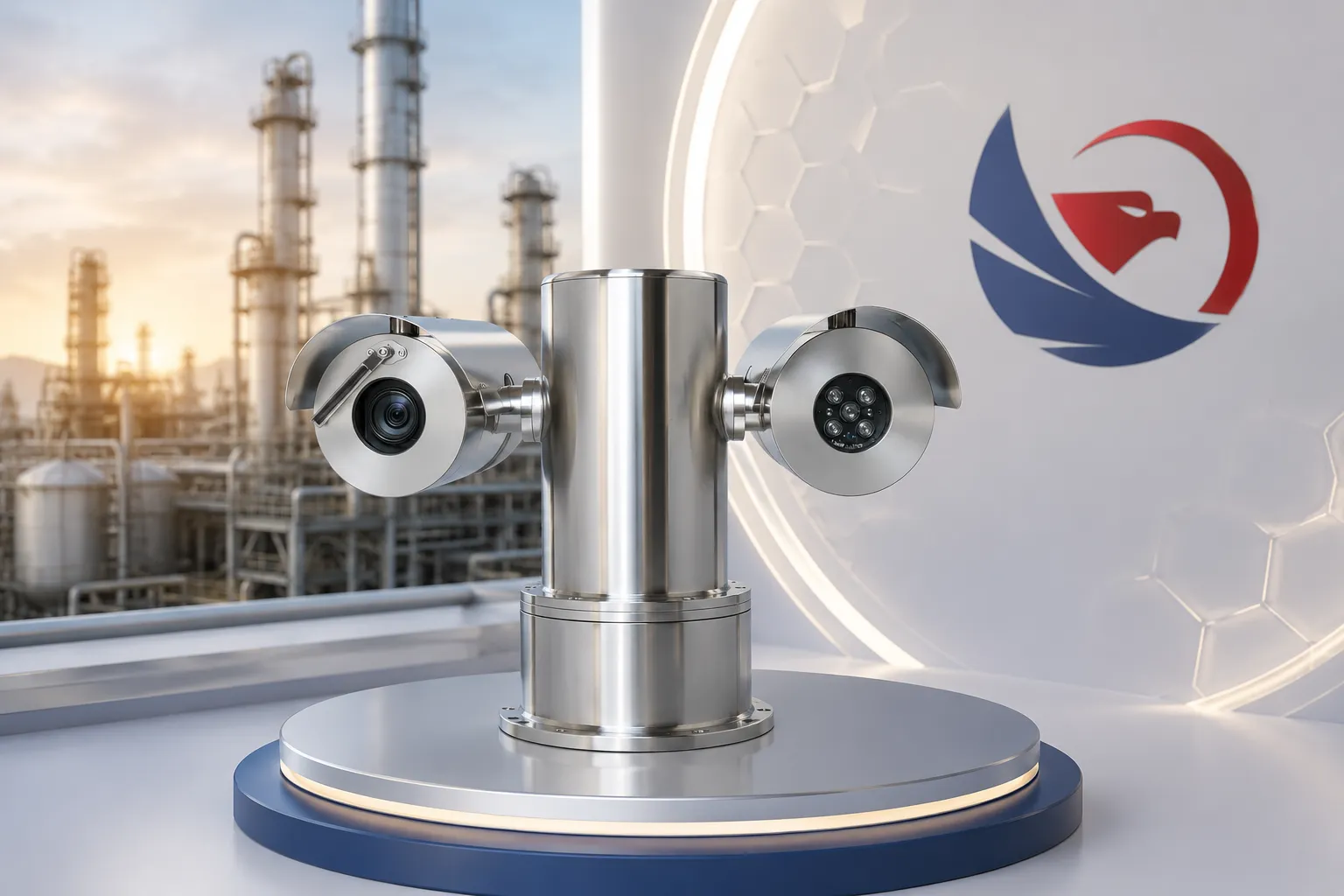
Cameras mounted on the crane trolley or boom provide real-time views of the load, path, and surrounding area. Video feeds displayed in the operator cabin reduce reliance on direct sightlines and improve safety in areas with structural obstructions. - Mirrors and Spotters:
Convex mirrors placed at strategic points and trained ground personnel (spotters) can help operators navigate blind spots, especially during load pick-up and placement. - Cabin Ergonomics and Window Design:
Operator cabins should offer a panoramic view of the working area, with tinted or anti-glare glass to minimize sunlight interference. Adjustable seating and control positioning further enhance visibility and reduce operator fatigue. - Load Indicators and Sensors:
Technologies such as load sway sensors, laser positioning guides, and proximity sensors supplement visual information and prevent collisions in poorly lit or obstructed areas.
Safety Implications
Visibility and lighting are directly linked to safety. Poorly lit or obstructed work areas increase the risk of incidents such as:
- Load Collisions: Inadequate visibility can result in misaligned loads striking structures, other equipment, or personnel.
- Operator Errors: Fatigue and eye strain due to poor lighting can reduce operator alertness and precision.
- Trip and Fall Hazards: Uneven lighting may hide obstacles on walkways or access platforms used by operators and maintenance personnel.
- Equipment Damage: Inaccurate positioning caused by insufficient visibility can lead to mechanical stress on the crane and hoist system, increasing maintenance costs and downtime.
Compliance with Regulations
Many countries require industrial facilities to adhere to lighting and visibility standards. For instance:
- OSHA (Occupational Safety and Health Administration) in the U.S. specifies minimum illumination levels for indoor work areas.
- ISO 12480-2 provides guidance on safe crane operation, including visibility and lighting considerations.
- National Electrical Codes dictate fixture installation, power supply, and emergency lighting requirements.
Non-compliance can result in fines, operational shutdowns, or legal liabilities in case of accidents.
Best Practices for Facility Lighting and Visibility
To ensure optimal visibility in double girder EOT crane operations, the following best practices are recommended:
- Conduct a lighting audit to evaluate current illumination levels and identify dark spots.
- Use layered lighting, combining general, task, and emergency lighting for comprehensive coverage.
- Regularly clean and maintain light fixtures to prevent dimming from dust or dirt accumulation.
- Integrate technology-assisted visibility, such as cameras, sensors, and alarm systems, for areas with unavoidable blind zones.
- Design the facility layout to minimize obstructions and optimize crane sightlines.
- Train operators to recognize visual cues in low-light conditions and respond appropriately.
- Periodically review regulatory updates and adjust lighting systems to maintain compliance.
Conclusion
Visibility and lighting are critical components in ensuring the safe and efficient operation of double girder EOT cranes. Adequate illumination, uniform light distribution, high color rendering, and minimized glare enhance operator performance and reduce the risk of accidents. Additionally, supplementing direct visibility with cameras, mirrors, and sensors further strengthens safety protocols. Industrial facilities must prioritize proper lighting design, maintenance, and compliance with international standards to maximize overhead crane performance and protect both personnel and equipment. Investing in visibility and lighting improvements is not just a regulatory requirement—it is a fundamental aspect of operational excellence and workplace safety in heavy-duty lifting environments.












Sign in to leave a comment.