

Introduction
Over the past decade, blockchain has steadily moved beyond cryptocurrency conversations and into real business infrastructure. What started as an experimental technology is now powering supply chains, digital identity systems, tokenized assets, and decentralized finance platforms.
In 2026, Web3 is no longer a trend. It’s a strategic technology layer.
Enterprises are no longer asking “Should we use blockchain?”
They’re asking “How quickly can we deploy Web3 solutions without disrupting operations?”
That shift is exactly why Web3 development services have become critical for startups and enterprises building secure, transparent, and scalable digital ecosystems.

What Web3 Actually Means for Businesses
Web3 isn’t just “crypto” or “NFTs.”
For businesses, it means:
- Trust without intermediaries
- Tamper-proof records
- Automated contracts
- Digital ownership
- Reduced operational friction
Instead of relying on centralized servers and manual verification processes, organizations can use decentralized systems that validate transactions automatically.
This dramatically lowers fraud risk, improves transparency, and reduces overhead costs.
In simple terms:
Web3 replaces manual trust with programmable trust.
Why Enterprises Are Investing in Web3 Development Services
Companies across fintech, healthcare, logistics, gaming, and real estate are investing heavily in Web3 for one reason — measurable value.
Key business drivers include:
1. Security by Design
Blockchain architecture makes data manipulation extremely difficult. Once recorded, transactions are immutable and verifiable.
This is especially useful for:
- financial systems
- compliance records
- contracts
- supply chain logs
2. Smart Contract Automation
Smart contracts execute business rules automatically.
For example:
- payments release instantly when conditions are met
- insurance claims auto-settle
- escrow processes remove intermediaries
This reduces delays and human errors while saving operational costs.
3. New Revenue Models
Web3 enables entirely new monetization strategies:
- token economies
- NFT marketplaces
- decentralized finance platforms
- digital asset ownership
- loyalty tokens
Businesses are no longer limited to traditional SaaS or subscription models.
4. Greater Transparency & Trust
Decentralized ledgers create shared truth across stakeholders.
Partners, vendors, and customers can verify transactions in real time — without depending on third parties.
This transparency strengthens trust and simplifies audits.
Core Web3 Development Services Businesses Need Today
As adoption grows, organizations typically look for structured Web3 development support.
Common services include:
- Custom blockchain application development
- Smart contract design and auditing
- dApp (decentralized app) development
- NFT marketplace creation
- DeFi protocol engineering
- Crypto wallet development
- Enterprise blockchain integration
- Web3 consulting and architecture design
A reliable Web3 development company doesn’t just code — they align technology with business strategy.
Real-World Use Cases of Web3 in 2026
Web3 isn’t theoretical anymore. It’s already powering live systems.
FinTech
Instant settlements, DeFi lending platforms, tokenized assets
Supply Chain
End-to-end product tracking and counterfeit prevention
Healthcare
Secure patient data sharing and consent management
Gaming & Metaverse
Player-owned digital assets and in-game economies
Enterprises
Decentralized identity and document verification
These are production deployments — not pilots.

Choosing the Right Web3 Development Partner
Web3 projects fail when companies treat them as experiments rather than infrastructure.
When selecting a development partner, businesses should look for:
- deep blockchain architecture experience
- smart contract security expertise
- real deployment history
- scalability planning
- compliance knowledge
Working with experienced Web3 developers reduces technical risks and accelerates time-to-market.
The Future of Web3 Development
Looking ahead, Web3 will quietly integrate into everyday business systems.
We’ll see:
- blockchain embedded in ERP systems
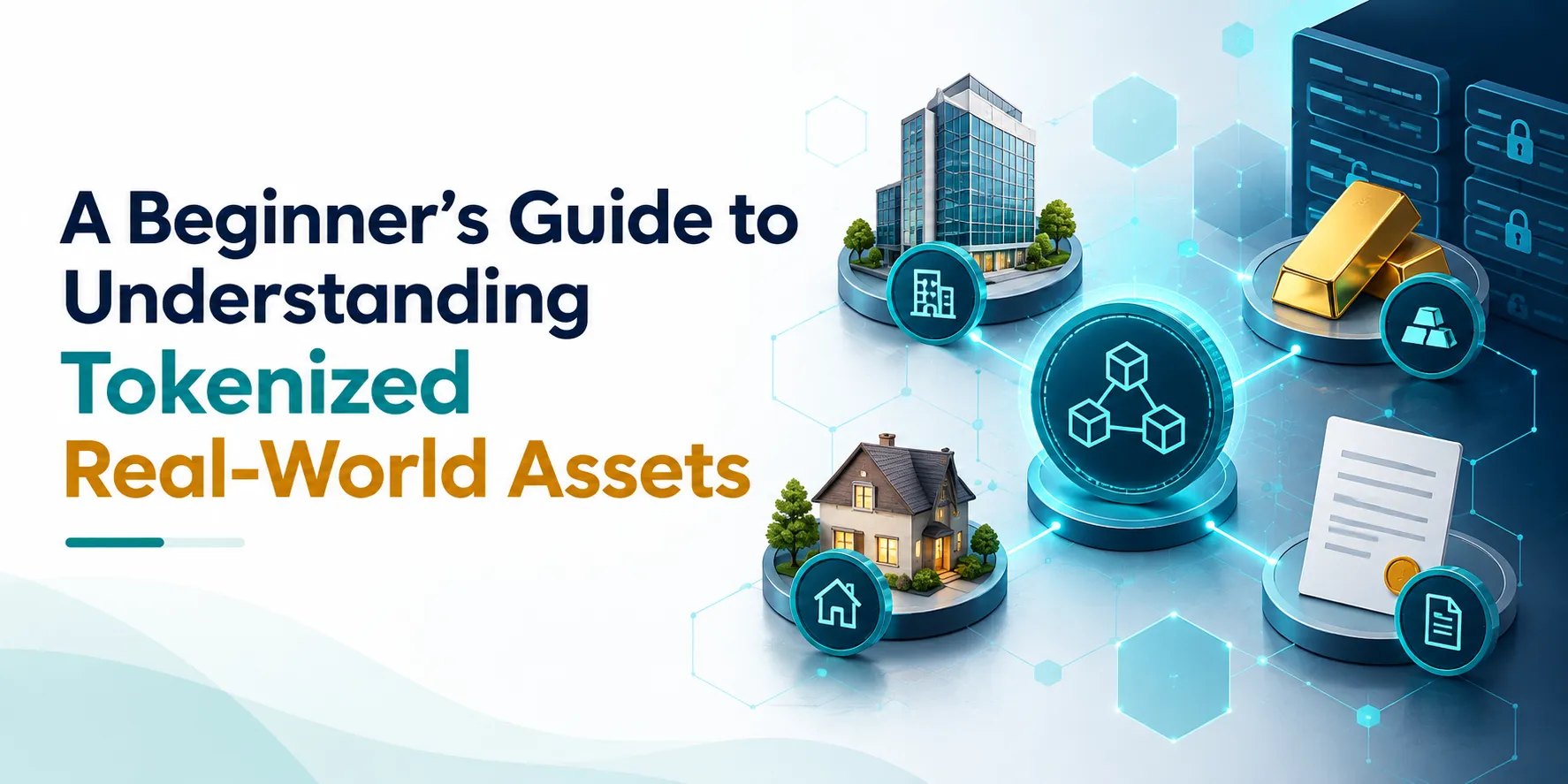
- tokenized real-world assets
- AI + blockchain automation
- decentralized identity replacing passwords
- enterprise-grade private blockchains
Soon, businesses won’t even call it “Web3.”
It will simply be how modern systems operate.
Conclusion
Web3 is no longer about hype or experimentation. It’s about building secure, automated, and transparent digital ecosystems that scale with confidence.
Organizations that adopt early gain competitive advantages in efficiency, trust, and innovation.
Those that delay risk falling behind.
If you’re exploring professional Web3 development services or planning to launch a blockchain-powered solution, working with experienced developers can dramatically reduce complexity and accelerate success.





























Sign in to leave a comment.