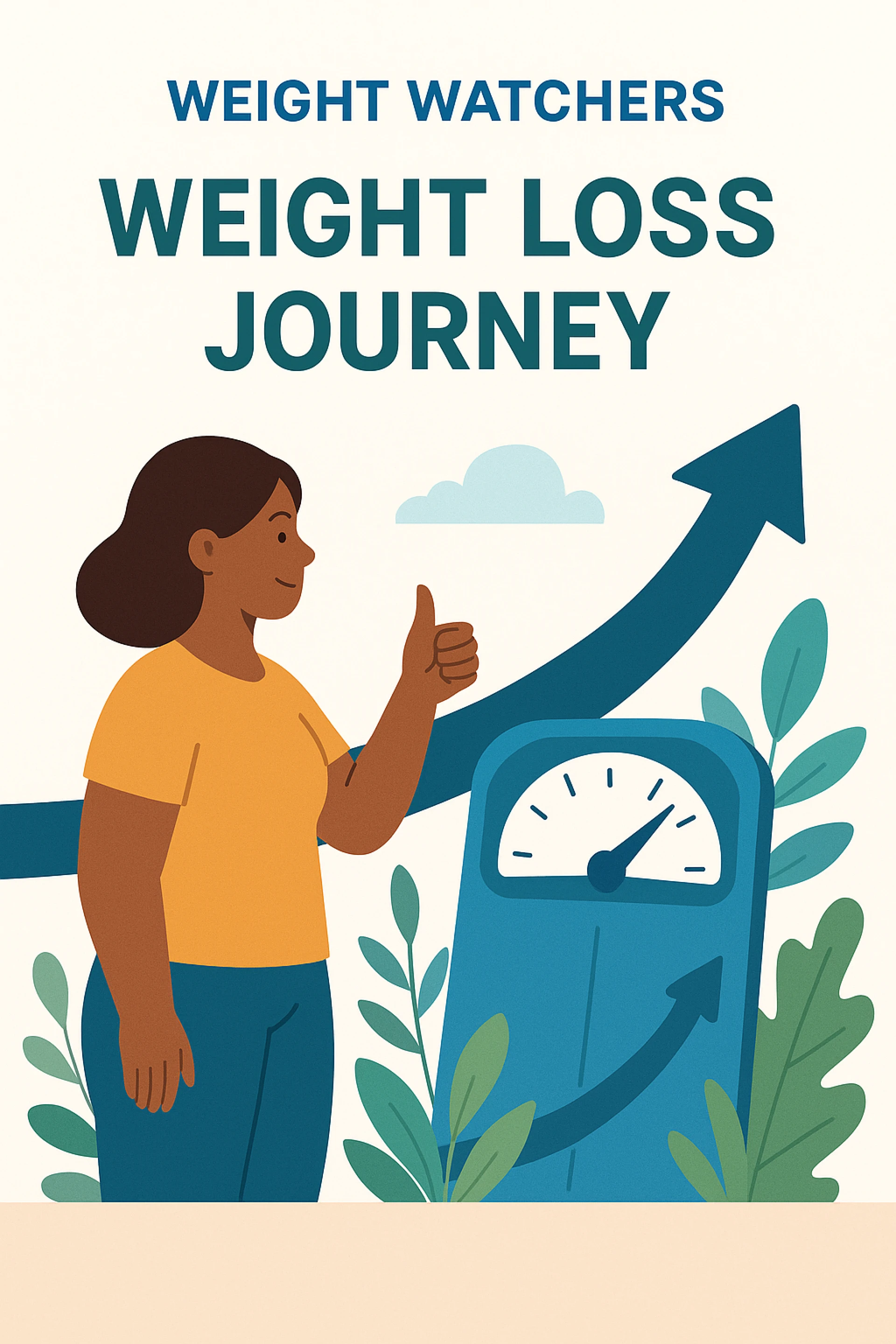

In the world of weight loss and wellness, few programs have stood the test of time quite like Weight Watchers. Founded in 1963 by Jean Nidetch in Queens, New York, Weight Watchers has evolved from a simple support group into a global brand dedicated to helping people lose weight, improve their health, and lead more mindful lives. Now rebranded as WW, the company emphasizes wellness as much as weight, offering a flexible and science-backed approach to healthy living.
What is Weight Watchers (WW)?
WW is a subscription-based wellness and weight loss program that uses a point system, coaching, and community support to guide users toward healthier habits. The foundation of the program is its Points® system, which assigns values to foods based on their nutritional content. Members receive a daily and weekly point budget, making it easier to make informed food choices without the need to count calories.
In addition to diet, WW emphasizes four pillars of wellness:
- Food – Encouraging balanced eating through the SmartPoints® system.
- Activity – Promoting regular physical activity for both mental and physical benefits.
- Mindset – Supporting mental wellness with tools for motivation and stress management.
- Sleep – Highlighting the importance of restful sleep in overall health.
Key Features of WW
- Personalized Plans: WW customizes each member’s plan using a PersonalPoints™ system that considers their lifestyle, food preferences, and health goals.
- WW App: The mobile app provides food tracking, recipes, barcode scanning, fitness tracking, and access to virtual workshops.
- Workshops & Coaching: Members can attend in-person or virtual workshops, offering accountability and support from both coaches and fellow members.
- ZeroPoint™ Foods: These are foods that don’t count toward daily points and encourage healthy eating. They often include fruits, vegetables, lean proteins, and legumes.
Benefits of WW
- Flexibility: No foods are off-limits, making it sustainable for the long term.
- Support System: Community workshops and digital tools foster a strong sense of accountability.
- Evidence-Based: The program is regularly updated to reflect the latest nutritional science.
- Sustainable Habits: It focuses on long-term lifestyle changes rather than quick fixes.
Criticisms and Considerations
While many find success with WW, some criticisms include:
- Cost: The subscription model may not be affordable for everyone.
- Point System Complexity: Some users find tracking points time-consuming.
- Weight-Centric Focus: Despite rebranding efforts, some still feel the emphasis is too much on weight loss rather than overall well-being.
Success Stories
Millions of people have reported success with WW, including numerous celebrities such as Oprah Winfrey, who is also a shareholder in the company. These testimonials often highlight not just weight loss, but improved confidence, energy, and mental clarity.
Conclusion
Weight Watchers (WW) continues to be a leading force in the weight loss and wellness industry because it adapts with the times. By combining personalization, community support, and an emphasis on overall health, WW offers more than a diet—it offers a lifestyle change. Whether your goal is to lose weight, eat better, or just feel healthier, WW provides a flexible and supportive path to wellness.






























Sign in to leave a comment.