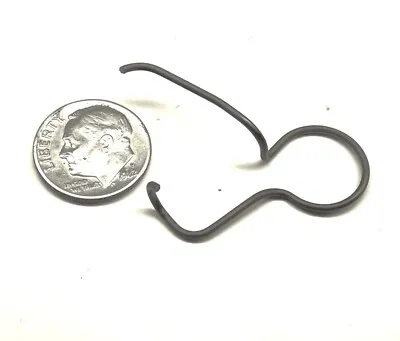

In the world of aviation, even the smallest components play a major role in ensuring safety, reliability, and performance. Aircraft clips and retainers are among these critical parts, designed to secure, hold, and stabilize various components throughout an aircraft. While they may seem simple in design, their function is essential in preventing movement, loosening, or failure of key systems during operation.
From engines to interior panels, clips and retainers are used extensively to keep parts in place under extreme conditions, including vibration, pressure changes, and temperature fluctuations.
What Are Aircraft Clips and Retainers?
Aircraft clips and retainers are fastening devices used to hold components securely in position without the need for permanent joining methods like welding or adhesives. They are typically small, lightweight, and designed for quick installation and removal, making them ideal for both assembly and maintenance tasks.
Clips generally snap or clamp into place, while retainers are used to secure parts such as pins, bolts, or shafts, preventing them from moving out of position. These components are manufactured to meet strict aerospace standards, ensuring durability and consistent performance.
Primary Uses of Aircraft Clips and Retainers
Securing Components in Place
The primary function of clips and retainers is to hold components securely within an assembly. They prevent parts from shifting or becoming loose during flight, which is especially important in high-vibration environments like engines and landing gear systems.
By maintaining a firm hold, they help ensure that systems continue to operate smoothly and safely.
Preventing Fastener Loosening
Aircraft experience continuous vibration, which can cause traditional fasteners to loosen over time. Retainers are often used alongside bolts, nuts, and pins to lock them in place and prevent unintended movement.
This added layer of security is crucial in maintaining the integrity of mechanical and structural systems.
Enabling Quick Assembly and Maintenance
Clips and retainers are designed for easy installation and removal, allowing technicians to quickly access components during inspections or repairs. This reduces maintenance time and improves overall efficiency in aircraft servicing.
Their reusable nature also makes them cost-effective compared to permanent fastening solutions.
Managing Cables and Lines
In addition to securing structural components, clips are commonly used to organize and hold electrical wiring, hydraulic lines, and fuel tubes. Proper cable management not only improves system reliability but also reduces the risk of damage caused by friction or interference.
Common Types of Aircraft Clips and Retainers
Spring Clips
Spring clips use tension to hold parts in place. They are flexible and can be easily installed or removed, making them ideal for applications requiring frequent maintenance.
Retaining Rings
Retaining rings, also known as snap rings, are used to secure components onto shafts or inside housings. They fit into grooves and prevent lateral movement of parts.
Cable Clips
Cable clips are designed to hold wires and tubing securely along structural surfaces. They help maintain neat routing and prevent tangling or wear.
Locking Retainers
Locking retainers are used in high-stress applications where additional security is required. They ensure that critical components remain firmly in place even under extreme conditions.
Materials Used in Clips and Retainers
Aircraft clips and retainers are manufactured from materials that offer strength, corrosion resistance, and durability. Common materials include stainless steel, which provides excellent resistance to corrosion and high temperatures.
Aluminum is often used for lightweight applications, while high-strength alloys and composites are selected for specialized environments where both strength and weight savings are critical.
Importance in Aircraft Safety and Maintenance
Clips and retainers are essential for maintaining the safety and reliability of an aircraft. A missing or damaged retainer can lead to component movement, system malfunction, or even failure in extreme cases.
During routine maintenance, these parts are carefully inspected and replaced if necessary. Using the correct specifications is crucial, as even slight variations can affect performance. Aviation professionals often rely on standardized identification systems, such as National Stock Numbers (NSNs), to ensure accuracy when sourcing replacement parts.
Conclusion
Aircraft clips and retainers may be small, but they play a vital role in keeping aircraft systems secure and functioning properly. By holding components in place, preventing loosening, and enabling efficient maintenance, they contribute significantly to overall aircraft safety and performance.
Understanding their importance highlights how every component—no matter how small—works together to ensure the success of modern aviation systems.



























Sign in to leave a comment.