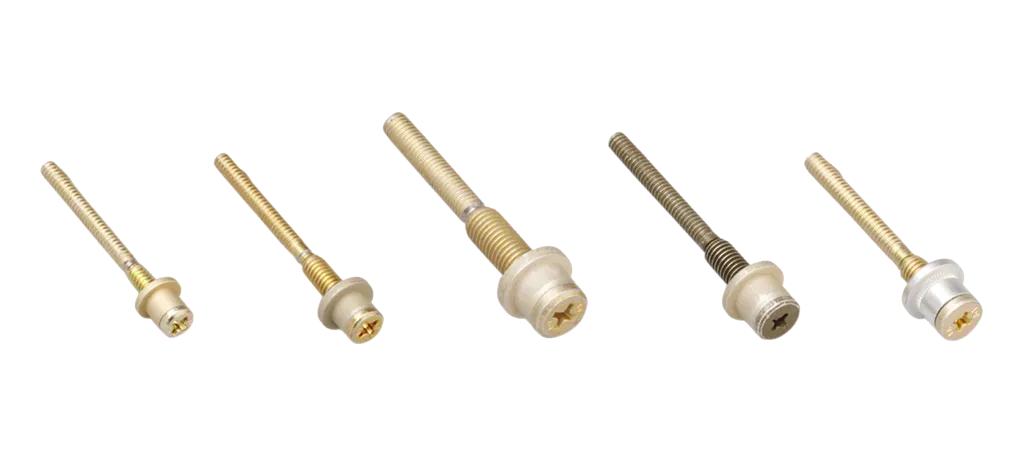

Aircraft studs are specialized fasteners used to join components securely in various parts of an aircraft. Unlike standard bolts or screws, studs are typically threaded on both ends or along their full length, allowing them to be permanently installed into a structure while still providing a point for attachment. This makes them highly effective in applications where components need to be assembled and disassembled without damaging the base material.
These fasteners are widely used in aerospace because they provide strong, reliable connections in areas exposed to vibration, pressure, and temperature changes. Their design helps distribute loads more evenly, reducing stress on the surrounding material. As a result, aircraft studs play an important role in maintaining structural integrity.
How Aircraft Studs Differ from Bolts
While both studs and bolts are used for fastening, their applications differ significantly in aircraft systems. A bolt is inserted through components and secured with a nut, whereas a stud is usually fixed in place, and other parts are mounted onto it. This setup makes studs more stable and less likely to loosen under repeated stress.
Studs are especially useful in situations where frequent maintenance is required. Since the stud remains in place, the threads in the base material are protected from wear and damage. This increases the lifespan of critical components and reduces the need for repairs.
Common Types of Aircraft Studs
Aircraft studs come in various types depending on their specific function and installation requirements. Some are designed for high-strength applications, while others are made for quick assembly or lightweight structures. Materials such as stainless steel, titanium, and alloy steel are commonly used to ensure durability and resistance to corrosion.
Certain studs are also designed with locking features to prevent loosening during operation. These are often used in high-vibration areas, such as engines or structural joints. The choice of stud type depends on factors like load requirements, environmental conditions, and accessibility.
Applications in Aircraft Systems
Aircraft studs are used across multiple systems, including engines, airframes, and internal components. In engines, they are often used to secure parts that must withstand high temperatures and pressure. Their ability to remain fixed while allowing easy removal of attached components makes them ideal for such demanding environments.
In structural applications, studs help connect panels, frames, and support elements. They are also used in areas where precision alignment is required, as their fixed position ensures consistent assembly. This reliability is crucial in maintaining the overall performance of the aircraft.
Advantages of Using Aircraft Studs
One of the main advantages of aircraft studs is their durability. Because they remain installed in the base material, they reduce wear on threads and provide a more secure connection over time. This makes them particularly valuable in high-maintenance areas where components are frequently removed and replaced.
Another key benefit is improved load distribution. Studs help spread forces more evenly across the joint, reducing the risk of material fatigue or failure. This contributes to the long-term reliability of aircraft structures and systems.
Maintenance and Inspection Considerations
Regular inspection of aircraft studs is essential to ensure continued safety and performance. Over time, factors such as vibration, corrosion, and thermal stress can affect their condition. Maintenance teams check for signs of wear, thread damage, or loosening during routine inspections.
Proper installation is also critical. Studs must be tightened to the correct specifications to ensure they function as intended. Using the right tools and following maintenance guidelines helps prevent issues and extends the life of both the stud and the surrounding components.
Final Thoughts
Aircraft studs may seem like small components, but they play a significant role in the overall safety and reliability of an aircraft. Their ability to provide strong, stable connections while protecting base materials makes them an essential part of modern aerospace engineering.
By supporting both structural and mechanical systems, aircraft studs contribute to efficient maintenance, improved durability, and consistent performance. Their importance highlights how even the smallest components can have a major impact in aviation.































Sign in to leave a comment.