

Imagine building a house where everyone just improvises. Chaos follows. That is what happens without clear plans. Submittals step in like quiet referees. These documents confirm materials match blueprints. Think of them as proof checks before walls go up. Mistakes get caught early because of these files. Safety rules are followed when paperwork leads. Designs stay true to original ideas through this process. Clients see what they expected only if details were reviewed. Every piece fits better when someone verifies it first.
Picture these like a quick stop to double-check things before going further, cutting future costs, effort, and stress without slowing progress.
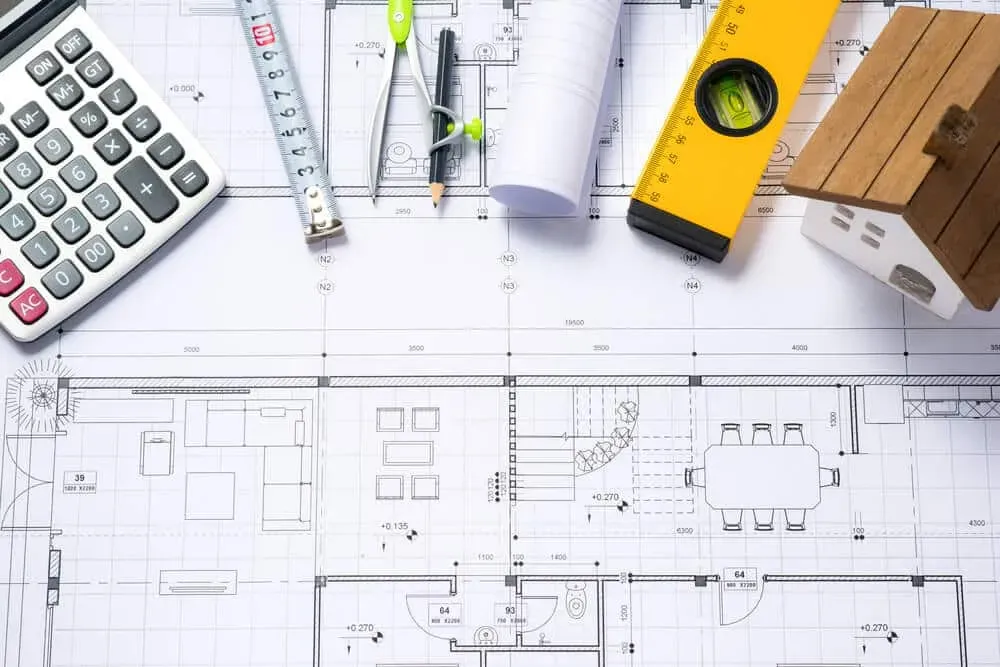
Construction Project Submittals Explained?
A single question often comes up early: what do people mean by construction project submittals? Think of them as items like plans, illustrations, or physical examples. Contractors hand these over to designers or technical planners. Approval must happen first - only then does work start on that piece of the project.
You'd be working without a map if they weren’t involved - putting together parts like a shelf with no guide, where one wrong move leads straight to frustration. Materials fit right, plans stay clear, gear does what it should because of their role.
Shop Drawings
From a builder's hand comes shop drawings - detailed layouts made by makers or trade teams. What you see here isn’t just concept; it reveals exactly how parts take shape. Going past standard blueprints, they step into actual building moves. Each detail lines up not with theory but what happens on site.
Product Data
Product details come straight from makers - specs, leaflets, info on substances or tools sit inside here. Meeting job benchmarks gets easier when these fit checks happen early.
Samples and Mockups
A glimpse can change everything. When people touch a model, their thoughts shift - suddenly shades and surfaces become real. Decisions come easier when eyes and hands agree.
Key Parts of Submittals
Filled forms? That’s only part of it. What really happens is experts check every detail to make sure things work right.
Design Intent Verification
It begins with a picture in someone's mind. Whatever gets handed in keeps the work aligned, not drifting from how it was first imagined.
Material Approval Process
Approval comes first, before any material reaches the site. That way, errors - like installing a weaker steel type or mixing materials that do not work together - are avoided.
Submittals Matter on Construction Jobs
Fair point: building things gets messy fast. One tiny error? Watch it grow into something much worse.
Avoiding Costly Errors
Mistakes get spotted early because of submittals. When issues show up here, changing them later on site won’t drain time or money. A small check now prevents big headaches down the road.
Enhancing Communication
With these folks involved, messages flow clearly among builders, designers, and technical planners. That shared clarity keeps missteps rare.
The Submittal Review Process
So what really happens inside it?
Contractor Submission
Starting off, the contractor gathers what's needed according to project details. Documents or examples come together only after checking each requirement closely. Following that, everything gets sent out once it meets the stated conditions.
Architect/Engineer Review
A fresh look comes from specialists who check if plans match required guidelines. Their eyes spot whether layouts follow rules meant to protect people. What matters shows up when drawings meet expectations for how things should stand. Safety takes shape only after every detail passes their test.
Approval or Revisions
Approval, rejection, or a return with notes - that decides the fate of each submission. Moving on to build phase happens only when approval is granted.
Common challenges in submittals
Things can go wrong now and then.
Pacing stumbles if details come through half-baked or fuzzy. When messages miss the mark, rounds of fixes pile up, dragging the schedule sideways.
Chaos often lurks where files pile up without order. When there's no clear method, finding a single document turns into a hunt through endless clutter.
How technology simplifies submittals
This shifts into a new phase. Now, digital tools reshape the handling of submissions.
Integration with a 3d design firm
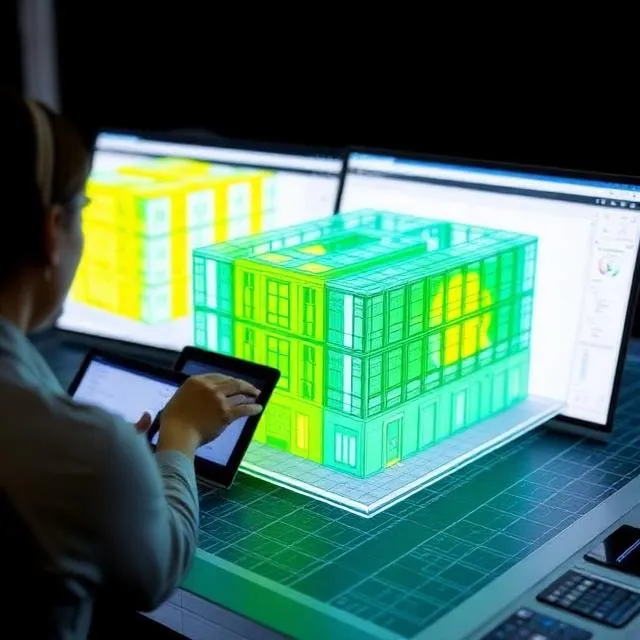
Picture this - teams today team up with a 3d design firm to build clear digital mockups. Because of that, everyone involved grasps the idea faster. Which means submissions land with fewer errors, smoother checks.
Cloud-Based Collaboration
Faster updates happen when files go online instead of piling up in inboxes. Teams check work together without chasing paper trails.
Managing Submittals Effectively
Fine-tuned machines need steady care - try these pointers. A little attention now prevents bigger issues later, so stay ahead of problems before they grow
- Stay organized with a clear tracking system
- Submit complete and accurate documents
- Communicate proactively with all stakeholders
- Review timelines regularly to avoid delays
Picture a gear turning smoothly only if each piece fits just right. Without balance, even small hiccups drag everything down. What runs quietly today might strain tomorrow unless checked. A single weak link can slow the rest without warning. Smooth motion depends on steady care behind the scenes.
What’s Changing in Building Records
Flying into tomorrow, submittals are starting to spark interest.
Faster, more precise handling of routine jobs such as checking documents now happens thanks to smart software and automated systems. Digital construction models are taking center stage, pulling submission details straight into the virtual build.
Faster now, the system thinks better. Efficiency grows as steps improve. Smarter methods appear without warning. Speed increases while effort shrinks.
Conclusion
A single blueprint won’t build a building - paperwork holds weight too. Without these documents, mistakes slip through like sand between fingers. One wrong detail can ripple into delays nobody saw coming. Clarity hides in folders, not on site tours. When plans match reality, fewer headaches follow. Misalignment costs time more than money ever does.
Start off wrong here, then everything leans sideways later. Like stacking bricks on mud - looks okay until it shifts. Fix these steps first, just to watch how steady things become down the line.
FAQs
1. What happens if submittals are not approved?
When a submission gets turned down, fixing it comes next before sending again. What follows is another review round only after updates happen. Meeting standards matters most once changes arrive.
2. Who is responsible for preparing submittals?
A worker usually puts these together before sending off for a look. Sometimes it's someone hired under the main team who handles this step instead.
3. What’s the usual timeline for completing a submission?
Some projects move faster than others, though slow progress shows up when paperwork lacks key details.
4. Every build needs paperwork? Depends on the job.
Fine print often needs checking before anything moves forward. Most plans must go through review just to match up with rules meant to keep things solid and secure.
5. Can digital tools replace traditional submittals?
Faster uploads speed things up, yet paperwork still has to go through. Files move quicker now, though someone must review each one before it's cleared.

























Sign in to leave a comment.