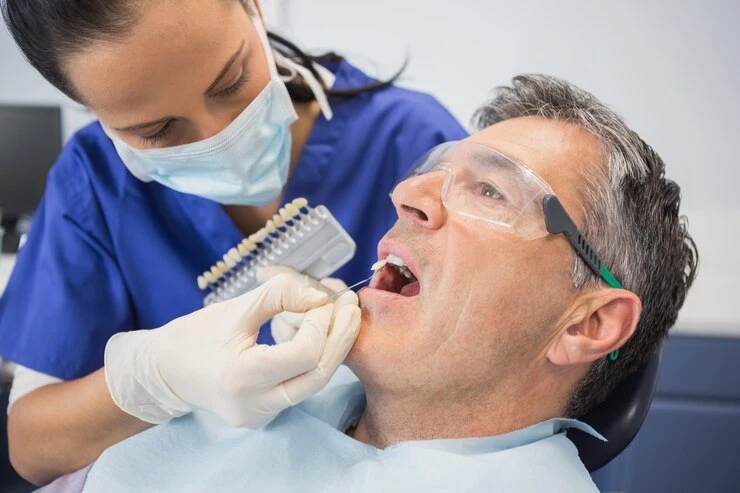

Dental implants have become one of the most effective solutions for replacing missing teeth, providing both functional and aesthetic benefits. With advancements in dental technology, implants have gained popularity among patients seeking a long-term solution to tooth loss. This comprehensive guide will explore what dental implants are, how they work, their benefits, and the process involved in getting them.
Understanding Dental Implants
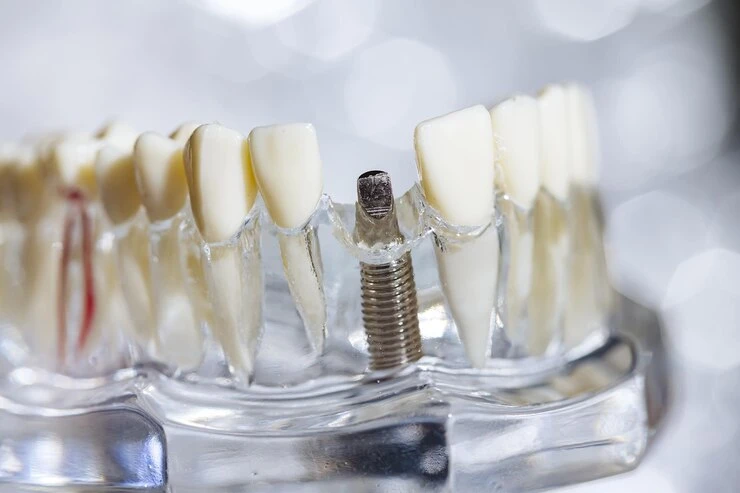
A dental implant is a small titanium post that is surgically inserted into the jawbone to serve as a replacement root for a missing tooth. This post acts as an anchor for a crown, bridge, or denture, providing a stable foundation for replacement teeth. The biocompatibility of titanium allows the implant to fuse with the bone in a process known as osseointegration, creating a strong and durable support system for artificial teeth.
Improvements in implant technology have made them a viable option for many patients, including those who have lost teeth due to injury, decay, or periodontal disease. Unlike dentures or bridges, dental implants do not rely on adjacent teeth for support, making them a more independent and effective solution.
Types of Dental Implants
There are primarily two types of dental implants: endosteal and subperiosteal. Understanding the differences between these options can help patients make informed decisions.
1. Endosteal Implants
Endosteal implants are the most common type. They are placed directly into the jawbone and can be used to support a single crown, a bridge, or a full denture. These implants are typically cylindrical or screw-shaped and provide a stable base for the replacement teeth. Endosteal implants are suitable for most patients with sufficient bone density and volume in the jaw.
2. Subperiosteal Implants
Subperiosteal implants are used less frequently and are typically recommended for patients who do not have enough healthy jawbone to support endosteal implants. This type of implant is placed under the gum but on or above the jawbone. A custom-made framework is designed to fit the shape of the jawbone, and the replacement teeth are attached to this framework. Subperiosteal implants may be a suitable option for patients who wish to avoid bone grafting procedures.
The Benefits of Dental Implants
Dental implants offer numerous advantages compared to other tooth replacement options such as dentures and bridges. Some of the key benefits include:
1. Improved Functionality
Dental implants function like natural teeth, allowing patients to bite and chew with confidence. Unlike dentures, which may slip or shift, implants provide a stable solution that does not impact oral function.
2. Enhanced Aesthetics
Implants closely resemble natural teeth, both in appearance and feel. The custom crowns placed on the implants are designed to match the colour and shape of the surrounding teeth, resulting in a seamless smile.
3. Preservation of Jawbone
When a tooth is lost, the underlying jawbone can begin to deteriorate due to lack of stimulation. Dental implants help preserve jawbone density by providing the necessary stimulation through the implant's integration with the bone. This can prevent the sunken appearance that often accompanies tooth loss.
4. Long-lasting Solution
With proper care and maintenance, dental implants can last for many years, often a lifetime. This durability makes them a cost-effective option in the long run, as they do not require frequent replacements like dentures or bridges.
5. Improved Oral Health
Implants do not require the alteration of adjacent teeth, as is necessary with traditional bridges. This preservation of healthy teeth contributes to better overall oral health. Additionally, dental implants can make oral hygiene routines easier, as they can be cleaned just like natural teeth.
The Dental Implant Process
The process of receiving dental implants typically involves several stages, which may take several months to complete. Understanding these stages can help patients prepare for what to expect.
1. Initial Consultation
The journey begins with an initial consultation with a dental professional. During this appointment, the dentist will assess the patient’s oral health, take X-rays, and discuss the patient’s goals and expectations. This evaluation helps determine the suitability of dental implants and whether any preliminary procedures, such as bone grafting, are necessary.
2. Treatment Planning
Once the patient is deemed a suitable candidate, a detailed treatment plan will be developed. This plan outlines the number of implants needed, the type of restoration, and any additional procedures required to prepare the jawbone for the implants.
3. Implant Placement
The next step involves the surgical placement of the implant(s). This procedure is typically performed under local anaesthesia, ensuring patient comfort. The dentist will create a small incision in the gum to access the jawbone and place the titanium post. After the implant is placed, the gum tissue is stitched closed.
4. Healing and Osseointegration
After implant placement, a healing period of several months is required for osseointegration to occur. During this time, the bone fuses with the implant, creating a strong foundation. Patients may receive a temporary crown during this period to maintain aesthetics and functionality.
5. Abutment Placement
Once osseointegration is complete, a small connector known as an abutment is placed on top of the implant. This abutment serves as a support for the final restoration. The gum tissue is allowed to heal around the abutment for a few weeks.
6. Final Restoration
The final step involves creating the custom crown, bridge, or denture that will be attached to the abutment. Impressions of the mouth are taken to ensure a proper fit, and the restoration is crafted to match the colour and shape of the surrounding teeth. Once completed, the restoration is securely attached to the abutment, providing a natural-looking and functional replacement for the missing teeth.
Aftercare and Maintenance
Caring for dental implants is similar to caring for natural teeth. Good oral hygiene practices, including regular brushing, flossing, and routine dental check-ups, are essential for maintaining the health of the implants and surrounding tissues. Patients should also avoid harmful habits, such as smoking, which can negatively impact the success of the implants.
Regular dental visits are vital for monitoring the condition of the implants and ensuring that any potential issues are addressed promptly. With proper care, dental implants can provide a long-lasting solution for missing teeth, improving both functionality and aesthetics for years to come.
Who is a Candidate for Dental Implants?
While dental implants can benefit many individuals, not everyone is a suitable candidate. Factors such as overall health, the presence of periodontal disease, and sufficient jawbone density are crucial considerations. Patients with chronic health conditions or those undergoing certain medications may need to consult their healthcare providers before proceeding with implants.
In some cases, procedures such as bone grafting may be necessary to enhance jawbone density, making implants a possibility for those who might not initially qualify. A comprehensive evaluation by a dental professional will help determine the best course of action for each individual.
Final Thoughts
Dental implants represent a significant advancement in restorative dentistry, offering a reliable and aesthetically pleasing solution for missing teeth. With their many benefits, including improved functionality, enhanced appearance, and long-term durability, implants have become an increasingly popular choice for those seeking to restore their smiles.
Understanding the types of implants, the process involved, and the importance of ongoing care can empower patients to make informed decisions about their dental health. As with any dental procedure, consulting with a qualified professional is essential to ensure the best outcomes and a successful journey to a healthier, more confident smile.




























Sign in to leave a comment.