
In modern dentistry, precision is no longer a luxury — it is a necessity. As dental procedures become more advanced and patient expectations continue to rise, visual accuracy plays a critical role in diagnosis, treatment quality, and long-term outcomes. This is where magnification binocular loupes have become an essential tool for dental professionals across the world.
Binocular loupes are no longer limited to specialists or surgeons. Today, they are widely used by general dentists, hygienists, orthodontists, prosthodontists, and oral surgeons to improve visibility, enhance ergonomics, and increase clinical precision. Whether used for routine examinations or complex procedures, dental binocular loupes have transformed the way clinicians work.
This article explains what binocular loupes are, how they work, and why they are now considered a standard of care in modern dentistry.
Understanding Magnification Binocular Loupes
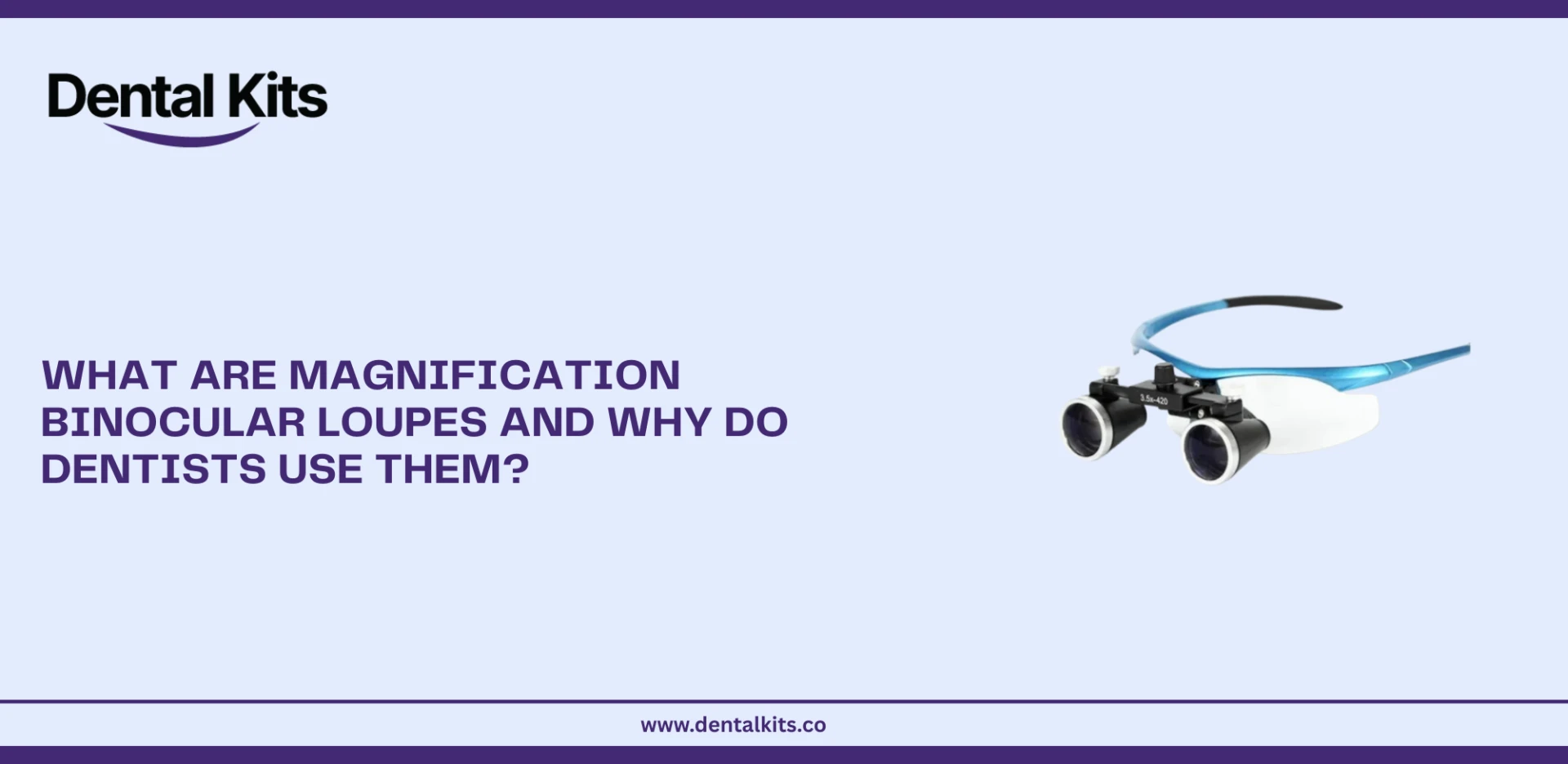
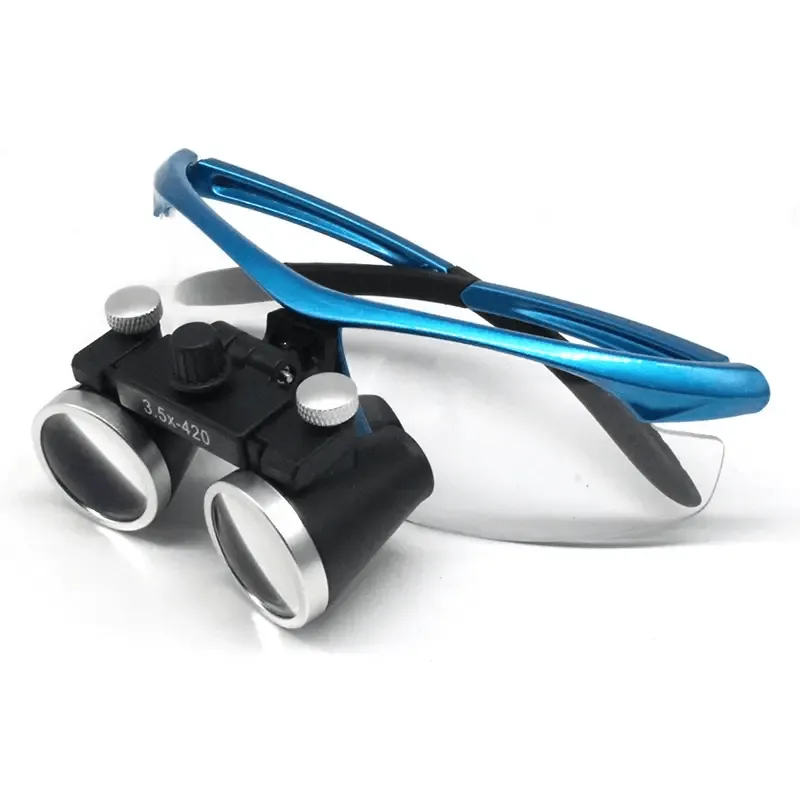
Binocular loupes are a magnification device worn like glasses that allows both eyes to view a magnified field simultaneously. Unlike single-lens magnifiers, binocular loupes provide depth perception, clarity, and accurate spatial judgment, making them ideal for clinical procedures that require precision.
Magnification binocular loupes consist of two aligned optical barrels, one for each eye, which are carefully calibrated to match the user’s interpupillary distance and working distance. This design creates a natural, comfortable viewing experience while maintaining high-resolution magnification of the operating field.
In dentistry, these loupes are designed specifically to enhance visibility inside the oral cavity, where space is limited and structures are small. This makes dental binocular loupes uniquely suited for both diagnostic and procedural work.
Types of Binocular Loupes Used in Dentistry
There are several forms of binocular loupes used in clinical environments. The most common are dental binocular loupes and surgical binocular loupes.
Dental binocular loupes are primarily used for general dentistry procedures such as examinations, scaling, restorative work, cosmetic dentistry, and hygiene care. These loupes focus on comfort, ergonomics, and visual clarity for long working hours.
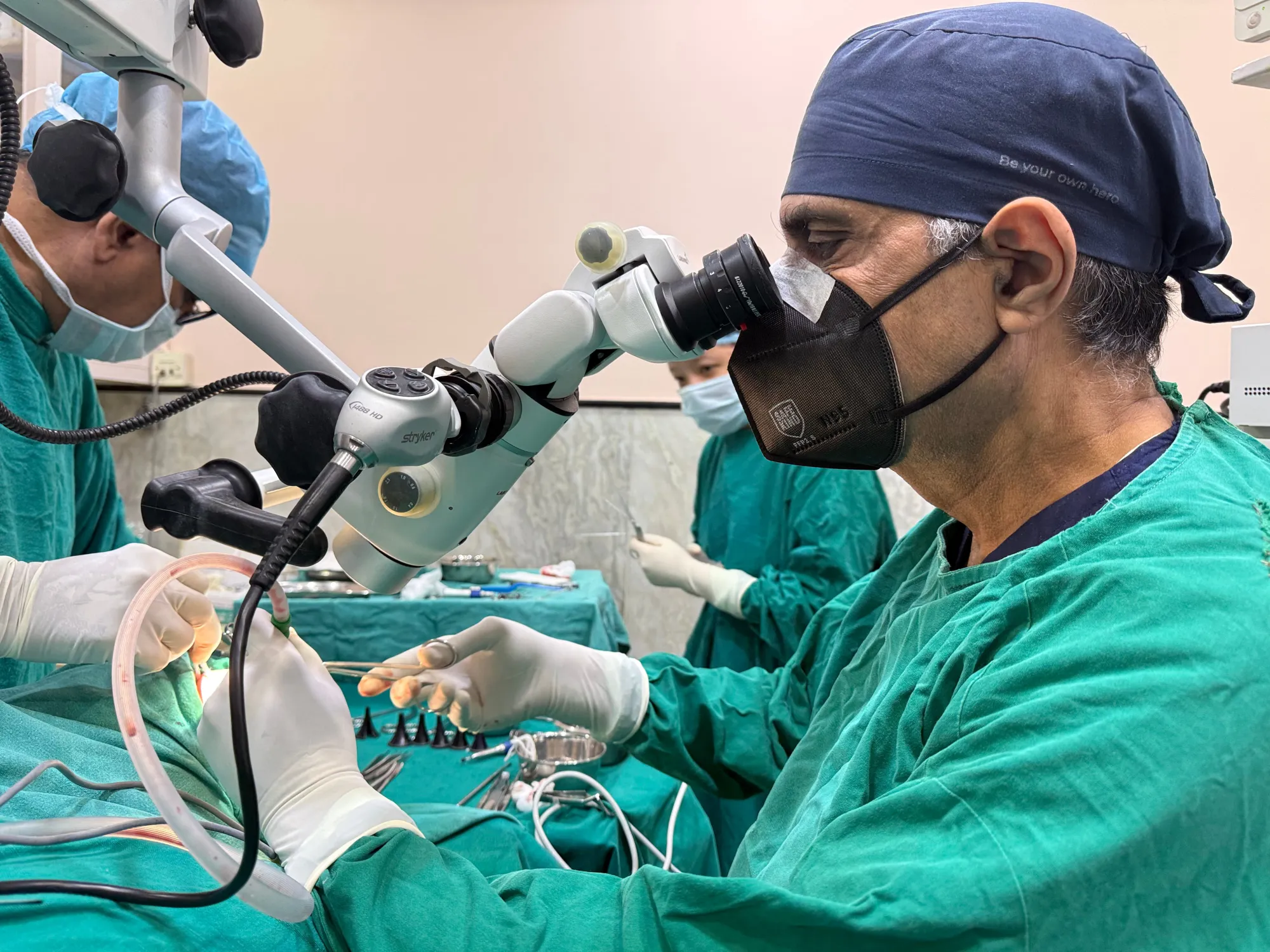
Surgical binocular loupes are designed for more advanced procedures such as implant placement, oral surgery, endodontics, and microsurgical techniques. These provide higher magnification levels and enhanced depth perception, making them suitable for complex clinical work.
Dental surgical binocular loupes combine the benefits of both categories, offering high magnification, ergonomic posture support, and precise visual alignment for advanced dental surgery.
Why Dentists Use Binocular Loupes
Dentists use binocular loupes because they significantly improve how clinical work is performed. The benefits go far beyond magnification alone.
Improved Visual Accuracy
The primary reason dentists use binocular loupes is enhanced visual clarity. Magnification allows clinicians to see fine details that are difficult or impossible to detect with the naked eye. Early caries, microfractures, margin gaps, calculus deposits, and tissue texture differences become more visible with magnification.
This improved visibility leads to more accurate diagnoses and better treatment planning.
Higher Clinical Precision
Precision is critical in dentistry. Procedures such as restorations, crown preparations, endodontic therapy, and periodontal treatment require millimeter-level accuracy. Dental binocular loupes allow dentists to work with greater control and precision, reducing errors and improving outcomes.
Better Ergonomics and Posture
One of the most important benefits of binocular loupes is posture correction. Dentists often suffer from neck pain, back pain, and musculoskeletal disorders due to poor working posture. Loupes allow clinicians to maintain an upright posture while working, reducing the need to lean forward excessively.
Over time, this significantly reduces physical strain, fatigue, and long-term injury risk.
Reduced Eye Strain
Working long hours in small visual fields places immense strain on the eyes. Magnification binocular loupes reduce eye fatigue by providing a clear, focused image with proper working distance and focal alignment.
This results in less visual stress and improved concentration throughout long clinical sessions.
Clinical Applications of Dental Binocular Loupes
Dental binocular loupes are used across nearly every dental specialty.
In general dentistry, they assist in caries detection, restorations, polishing, and cosmetic procedures. In hygiene practice, loupes help hygienists perform more accurate scaling and periodontal assessments. In orthodontics, they improve bracket placement and alignment precision.
In surgical fields, surgical binocular loupes and dental surgical binocular loupes are used for implantology, extractions, suturing, bone grafting, and microsurgical procedures. Magnification allows clinicians to preserve healthy tissue, improve surgical accuracy, and enhance healing outcomes.
Magnification Levels and Their Purpose
Magnification binocular loupes come in different magnification strengths, commonly ranging from low to high levels. Lower magnification offers a wider field of view and is ideal for general procedures, while higher magnification provides more detail but a narrower viewing area.
Dentists choose magnification based on their specialty, procedure type, and experience level. Beginners often start with moderate magnification to maintain comfort and visual stability, while experienced clinicians may prefer higher magnification for advanced procedures.
How Binocular Loupes Improve Patient Care
Patients may not immediately notice loupes, but they benefit directly from their use. Better visualization means fewer errors, more precise procedures, and better long-term treatment outcomes. Restorations fit better, margins are cleaner, tissue trauma is minimized, and procedures become more predictable.
Patients also experience shorter treatment times because procedures are performed more efficiently when the clinician has better visual control.
EEAT Perspective: Expertise, Experience, Authority, Trust
From a professional standpoint, the use of dental binocular loupes reflects a commitment to clinical excellence. Dentists who invest in magnification tools demonstrate a dedication to quality care, precision, and continuous improvement.
Experience plays a major role in loupe usage. Over time, clinicians develop better hand-eye coordination, spatial awareness, and procedural confidence. This translates into safer treatments and more predictable outcomes.
Trust is built through consistency. When patients experience accurate diagnoses, comfortable procedures, and high-quality results, confidence in the clinician naturally increases.
Binocular Loupes as a Long-Term Investment
While binocular loupes are an investment, they provide long-term value through improved productivity, reduced physical strain, and better clinical outcomes. Dentists who use loupes often report increased efficiency, better workflow, and longer career longevity due to reduced physical stress.
For students and early-career professionals, learning dentistry with magnification from the beginning builds better habits, posture, and clinical precision from day one.
Conclusion
Dental binocular loupes have become a foundational tool in modern dentistry. They are no longer optional accessories but essential clinical instruments that enhance visibility, precision, ergonomics, and patient care quality.
From general dentistry to complex surgery, binocular loupes, dental binocular loupes, surgical binocular loupes, and dental surgical binocular loupes support safer procedures, better outcomes, and healthier working conditions for clinicians.
As dentistry continues to evolve toward greater precision and higher standards, binocular loupes represent a critical bridge between technology and clinical excellence. Dentists who adopt magnification are not just improving their vision — they are elevating the quality of care they deliver.























Sign in to leave a comment.