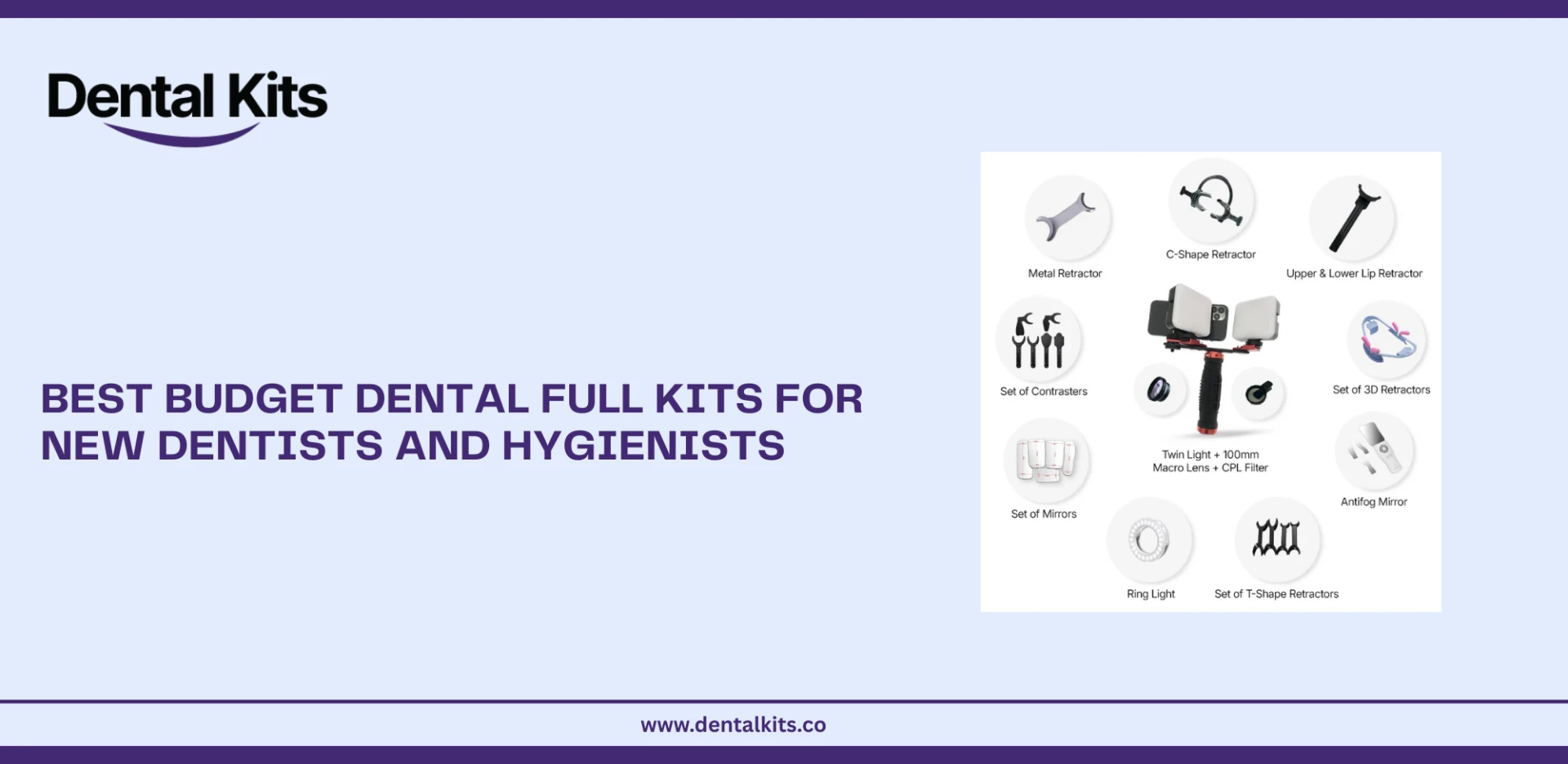
Introduction: Why a Dental Full Kit Matters for New Dentists and Hygienists
Starting out as a new dentist or hygienist can feel overwhelming. One of the first questions many professionals ask is: “What tools do I really need on day one?” Whether you’re launching your first clinic, preparing for mobile practice, or stocking up for hygiene exams and cleanings, a dental kit with the right mix of instruments is essential.
A complete dental full kit provides you with the foundational tools to perform examinations, cleanings, minor procedures, and routine documentation. For early-career clinicians especially, choosing budget-friendly dental kits that deliver quality and reliability enables you to build confidence while keeping costs under control.
This guide breaks down what to look for in a dental kit and offers practical tips to choose the best dental kit for new dentists and hygienists.
1. What a Dental Full Kit Includes
A dental full kit is more than a bag of instruments — it’s a thoughtfully assembled set of essential tools that support your everyday dental tasks.
At a minimum, a budget dental kit should contain:
Diagnostic Instruments
- Mouth mirrors for viewing and retraction
- Explorers and probes to detect caries and restorations
- Tweezers for handling small objects
Basic Hygiene Tools
- Scalers and curettes for plaque and calculus removal
- Periodontal probes to assess gum health
Restorative Tools
- Composite instruments
- Burnishers and carvers
Extraction and Minor Procedure Tools
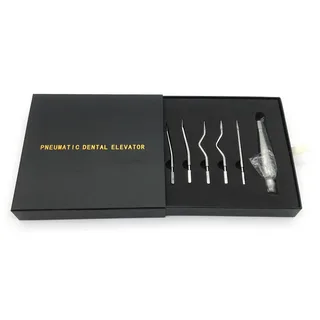
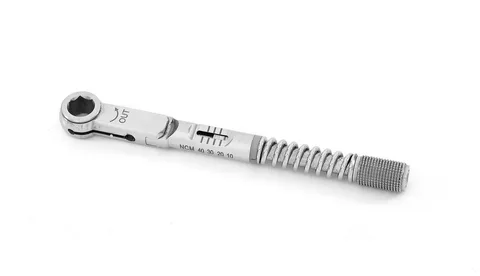
- Elevators and forceps
- Needle holders, scissors, and suture kits for simple soft tissue tasks
Accessories
- Sterilization bag or pouch
- Instrument trays
- Personal protective equipment (gloves, masks, eyewear)
Together, these components form a comprehensive starter dental kit that empowers you to handle most general clinical scenarios.
2. Why New Professionals Should Invest in a Full Dental Kit
Clinical Preparedness
A well-stocked dental kit ensures you’re ready for everything from routine exams to basic restorative procedures. Instead of hunting for instruments during a procedure, you’ll have everything at your fingertips.
Professional Confidence
Organized dental kits reduce stress. When you know your tools are reliable and in good condition, you can focus on your technique and patient care.
Cost Savings Over Time
Assembling your own kit or purchasing a bundled kit often works out cheaper than buying instruments piecemeal. Practice-oriented kits are curated to include what most clinicians use regularly — which helps you avoid spending on items you don’t need yet.
3. Key Features of High-Value Budget Dental Kits
While price is important, there are other qualities that separate low-cost kits that fall short from a best dental kit worth your investment:
Durable Construction
Tools should be made of corrosion-resistant materials, like high-grade stainless steel, and withstand repeated sterilization.
Ergonomic Design
Instruments with comfortable grips reduce hand fatigue — especially important during scaling and longer procedures.
Autoclavable Instruments
All clinical instruments should be able to go through autoclave sterilization without damage.
Balanced Instrument Selection
Kits that provide a balanced mix (diagnostic, hygiene, restorative, extraction) offer more clinical versatility.
Easy Organization
A well-designed organizer or pouch helps you keep instruments clean, accessible, and protected when not in use.
These features help ensure your dental kit supports safe, efficient, and professional practice without breaking the bank.
4. Recommended Budget Dental Kit Components
A complete budget dental full kit tailored for new dentists and hygienists should include:
A. Diagnostic Set
- Mouth mirror (handle + head)
- Explorer/probe
- Dental tweezers
This trio is essential for basic examination, checking margins, and inspecting hard-to-see areas.
B. Hygiene Kit
- Sickle scalers (for anterior teeth)
- Curettes (for subgingival cleaning)
- Periodontal probe
These instruments help you conduct scaling and periodontal assessment efficiently.
C. Restorative Tools
- Composite filling instruments
- Burnishers and carvers
- Plastic instruments
Ideal for shaping and contouring restorative materials during procedures.
D. Surgical/Minor Procedure Set
- Elevators
- Extraction forceps (commonly used sizes)
- Needle holder and scissors
- Suturing kit
Especially useful if you perform simple extractions, suture closure, or soft tissue management.
E. Organizational Accessories
- Sterilization pouch or tray
- PPE (gloves, masks)
- Small storage case
These items keep your kit hygienic and ready for immediate use.
With these categories covered, you’ll be equipped for the majority of general dentistry and hygiene tasks early in your career.
5. How to Evaluate Dental Kits Before You Buy
With many options available, especially online, evaluating dental kits comes down to asking a few smart questions:
Does It Include Core Instruments?
A true full kit should cover diagnostics, hygiene, restorative, and minor surgical tools.
Is the Quality Reliable?
Check for comfortable grips, weight balance, and sturdy construction. Instruments should feel robust, not flimsy.
Can It Be Sterilized Safely?
Ensure all metal tools can survive repeated autoclave cycles without corrosion or deformation.
Is There Good Organization?
A knowledgeably designed kit pouch or tray makes a huge difference in daily workflow.
Is It Backed by Warranty or Return Support?
Budget kits are an investment — having supportive return policies or warranties reduces risk.
Evaluating these factors helps you identify a budget dental kit that delivers real clinical value and durability.
6. Tips for Organizing and Maintaining Your Dental Kit
Investing in a good dental kit means nothing if it’s not maintained properly. Here are some practical tips:
Keep Instruments Clean
Rinse and wipe instruments immediately after use before sterilization.
Use Proper Sterilization
Always follow recommended sterilization protocols to protect patients and extend instrument life.
Organize by Workflow
Group instruments by category — diagnostic, hygiene, restorative — for faster access.
Replace Worn Tools Promptly
Chipped mirrors, dull scalers, and bent explorers reduce precision and comfort.
Label and Inventory Regularly
Keeping a checklist helps you restock missing or used instruments quickly.
Proper maintenance not only keeps your tools functional but also ensures safe clinical practice and patient safety.
7. Conclusion: Choosing the Right Budget Dental Full Kit
For new dentists and hygienists, a well-chosen dental kit forms the backbone of your clinical setup. While budgets matter, the true value lies in finding kits that combine:
✔ Essential instruments for everyday practice
✔ Durable materials and ergonomic design
✔ Autoclavable safety and organized storage
✔ Balanced components across diagnostic, hygiene, restorative, and surgical needs
Approaching your dental kit purchase with strategy and understanding helps you avoid unnecessary expenses while equipping yourself for success from day one.
With the right budget dental kit in hand, you’ll be ready to grow your clinical skills, deliver quality care, and build a reputation as a confident and competent practitioner.

























Sign in to leave a comment.