

Warehouse facilities across New York City face unique security challenges that demand more than basic surveillance systems. From high-value inventory theft to unauthorized access attempts, distribution centers and storage facilities require robust protection strategies. Armed security New York City solutions have become increasingly essential for warehouse operators seeking comprehensive protection against sophisticated threats.
Understanding the specific requirements, licensing standards, and deployment strategies for armed guards in warehouse environments helps business owners make informed decisions about protecting their assets, employees, and operations in one of America's most regulated security markets.
Why Do Warehouses Need Armed Security in NYC?
New York City warehouses store everything from electronics and pharmaceuticals to luxury goods and perishable items worth millions of dollars. The concentration of valuable merchandise makes these facilities prime targets for organized theft rings, cargo hijackings, and intrusion attempts.
Armed security personnel provide a visible deterrent that standard security measures cannot match. Their presence signals serious protection protocols, discouraging potential criminals from targeting the facility. Beyond deterrence, armed guards offer immediate response capabilities during critical incidents, protecting both property and personnel.
Warehouses operating in areas like Red Hook, Hunts Point, or Long Island City benefit particularly from armed security due to higher crime rates in industrial zones. The 24/7 nature of warehouse operations means vulnerabilities exist during night shifts and early morning hours when criminal activity peaks.
New York State Armed Guard Licensing Requirements
New York maintains some of the nation's strictest standards for armed security personnel. Every armed guard must possess a valid New York State Security Guard License as their foundation credential.
The licensing process includes:
- 8-Hour Pre-Assignment Training covering legal powers, emergency procedures, and professional conduct standards
- 16-Hour On-the-Job Training within the first 90 days of employment, focusing on site-specific protocols
- Annual 8-Hour In-Service Training to maintain license validity and stay current with industry developments
Armed guards require additional specialized credentials beyond basic security licensing. They must obtain a valid New York State pistol permit, which involves extensive background investigations, fingerprinting, and character references. The permit application process typically takes 6-12 months in NYC.
Firearms training certification from an approved instructor demonstrates proficiency with weapons handling, marksmanship, and judgment under pressure. Many warehouse security providers require guards to exceed minimum qualification standards.
Armed Guard Responsibilities in Warehouse Settings
Armed security professionals in warehouse environments perform multifaceted duties beyond traditional guard services. Their responsibilities integrate physical security presence with operational awareness.
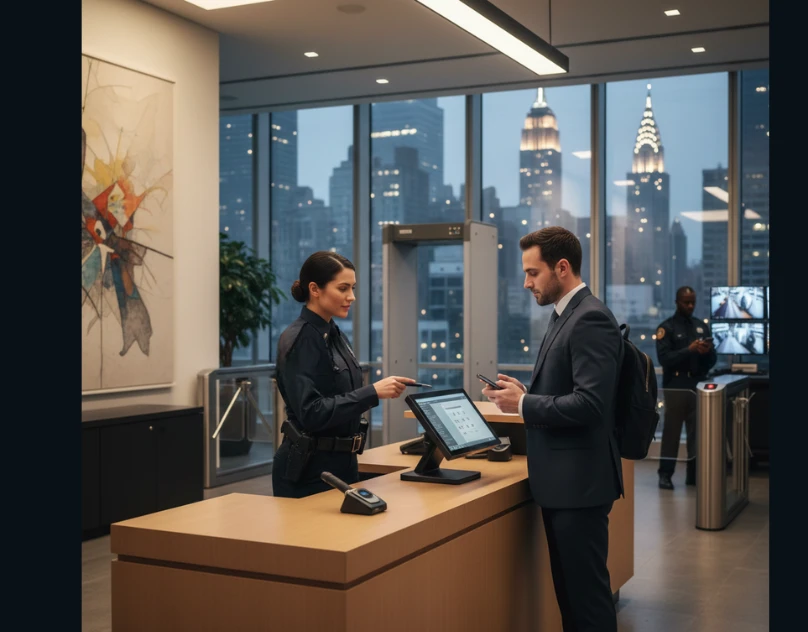
- Perimeter Control and Access Management - Armed guards monitor entry points, verify credentials of employees and visitors, and prevent unauthorized access to restricted areas. They maintain visitor logs and escort non-employees through sensitive zones.
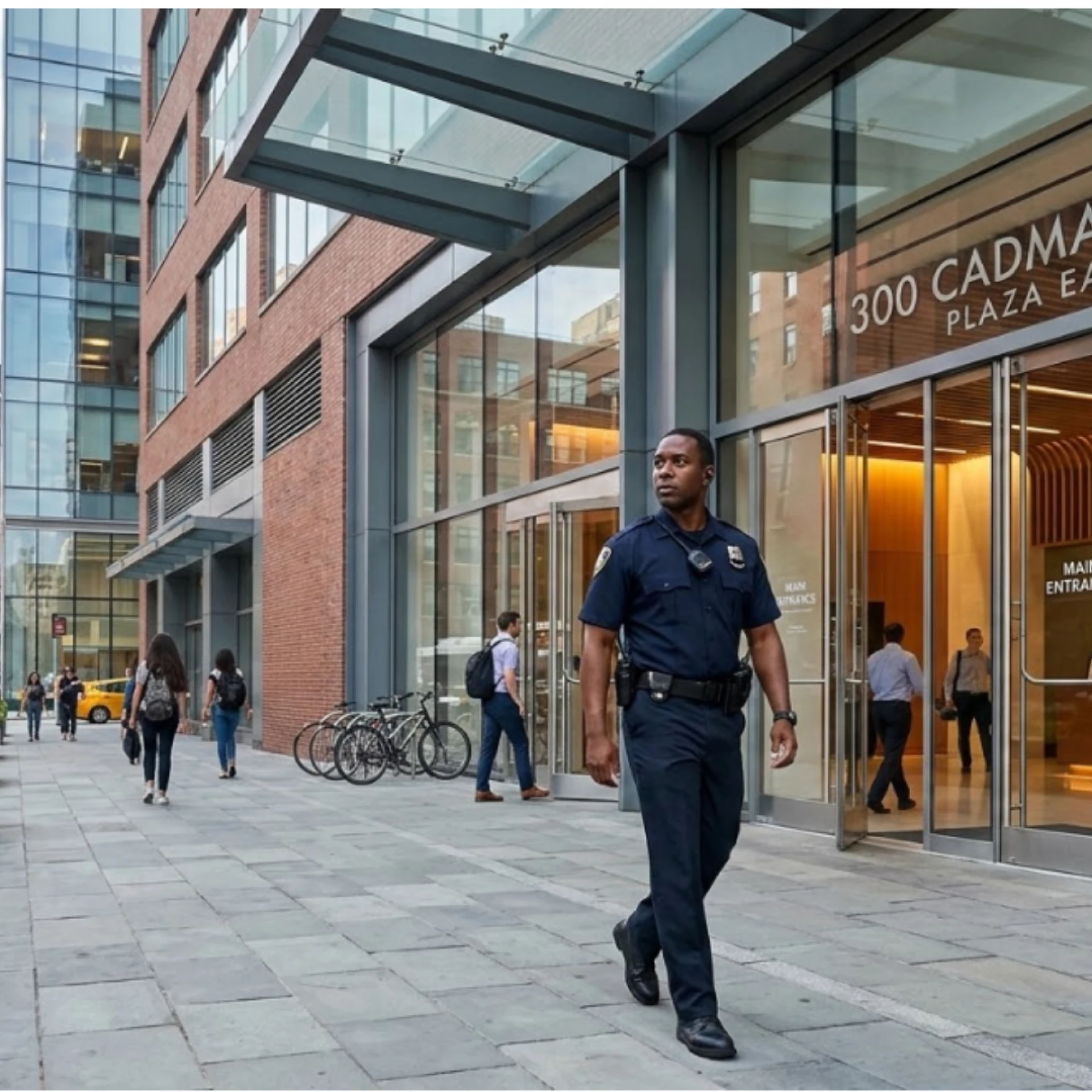
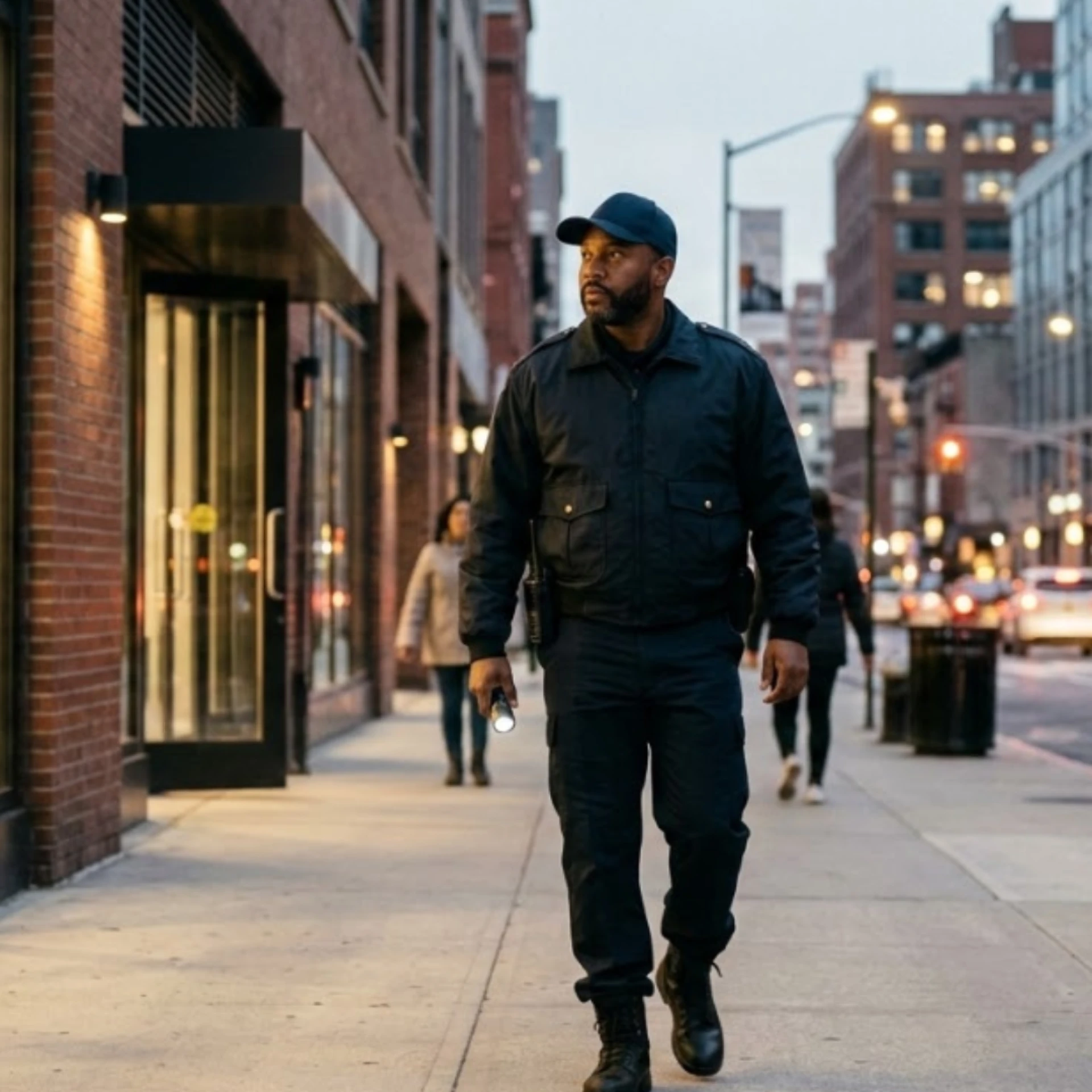
- Patrol Operations - Regular patrols cover interior warehouse spaces, loading docks, parking areas, and perimeter fencing. Guards check for security breaches, safety hazards, and suspicious activities during rounds.
- Incident Response - When alarms activate or emergencies occur, armed personnel provide immediate response. Their training enables appropriate force escalation based on threat assessment while protecting innocent parties.
- Asset Protection - Guards oversee high-value shipments during loading and unloading operations. They verify seal integrity on containers and document chain of custody for sensitive cargo.
- Liaison Functions - Armed security coordinates with local law enforcement, fire departments, and emergency services. They provide detailed incident reports and maintain communication with warehouse management.
Legal Considerations and Use of Force Standards
New York law strictly regulates when and how armed security personnel may use their weapons. Guards operate under the provisions of the New York Penal Law governing the justifiable use of deadly physical force.
Armed guards may only discharge firearms when facing an imminent threat of death or serious physical injury to themselves or others. Property protection alone never justifies deadly force under New York statutes.
Warehouse security companies must maintain comprehensive liability insurance coverage addressing potential firearms incidents. Policies typically include minimum coverage of $1-5 million per occurrence.
Documentation requirements require armed guards to file detailed reports following any weapons display or discharge. These reports are reviewed by company management, insurance carriers, and, in some cases, regulatory authorities.
Selecting the Right Armed Security Provider
Choosing an armed security company for your warehouse requires thorough vetting beyond price comparisons. Reputable providers demonstrate verifiable track records in warehouse protection specifically.
- Licensing and Certification Verification - Confirm the company holds valid New York State security agency licenses. Request proof of insurance certificates and workers' compensation coverage.
- Guard Screening Processes - Quality providers conduct extensive background investigations, psychological evaluations, and skills assessments before hiring armed personnel. Ask about their selection criteria and rejection rates.
- Training Programs - Evaluate ongoing training beyond minimum state requirements. Leading companies invest in scenario-based exercises, de-escalation techniques, and warehouse-specific security protocols.
- Technology Integration - Modern armed security services combine human presence with technological tools. Guards should utilize digital reporting systems, GPS tracking during patrols, and communication platforms for real-time coordination.
- Client References - Request contacts for current warehouse clients with similar security profiles. Speaking directly with references reveals provider reliability, responsiveness, and performance consistency.
Cost Factors and Budget Planning
Armed security services command premium pricing compared to unarmed alternatives due to higher liability exposure, extensive training requirements, and specialized skill sets. Several variables influence total costs.
Location significantly impacts pricing, with Manhattan and prime Brooklyn warehouse districts commanding higher rates than outer borough facilities. The security threat level in surrounding neighborhoods affects risk assessments.
Shift coverage needs determine overall expenses. Twenty-four-hour armed presence costs substantially more than business-hours-only coverage. Weekend and holiday shifts typically include premium rate increases.
Guard experience levels create price differentiation. Senior armed officers with specialized warehouse experience command higher compensation than entry-level personnel meeting minimum qualifications.
Additional services like supervisory oversight, mobile patrol units, or K-9 teams increase total security budgets. Warehouse managers should evaluate which enhancements offer genuine risk reduction rather than unnecessary expense.
Integration with Existing Security Systems
Armed guards function most effectively when integrated within comprehensive security ecosystems rather than operating as standalone solutions. Modern warehouse protection combines human expertise with technological capabilities.
- Surveillance Systems - Armed personnel monitor camera feeds, respond to motion detection alerts, and review recorded footage following incidents. Integration enables efficient threat verification and response coordination.
- Access Control Technology - Electronic badge systems, biometric readers, and vehicle barriers work alongside armed guards to create layered defense. Guards enforce access policies supported by technological controls.
- Alarm Systems - Armed response to alarm activations provides immediate on-site investigation capabilities. Guards verify genuine threats versus false alarms, reducing unnecessary emergency service dispatches.
- Communication Networks - Radio systems, mobile applications, and emergency notification platforms keep armed guards connected with management, law enforcement, and emergency responders throughout their shifts.
Regulatory Compliance and Ongoing Management
Maintaining armed security operations requires continuous attention to evolving regulations, training updates, and performance monitoring. Warehouse managers share compliance responsibilities with security providers.
- License Renewals - Track armed guard license expiration dates and ensure timely renewals. Allowing licenses to lapse creates liability exposure and operational disruptions.
- Training Documentation - Maintain records of all required training completion, firearms qualifications, and specialized certifications. Regulators may request verification during inspections.
- Incident Reviews - Establish procedures for investigating security incidents involving armed personnel. Document findings, corrective actions, and lessons learned for continuous improvement.
- Performance Metrics - Monitor key indicators like response times, patrol completion rates, incident reports, and client satisfaction. Regular assessments identify areas requiring attention or additional training.
Protecting your warehouse operation with armed security in New York city represents a significant investment in asset protection, employee safety, and business continuity. The complex regulatory environment, specialized training requirements, and operational considerations demand careful provider selection and ongoing management attention. By understanding licensing standards, legal parameters, and integration strategies, warehouse operators can implement armed security solutions that deliver measurable risk reduction while maintaining compliance with New York's stringent regulatory framework. Ready to enhance your warehouse security posture? Connect with licensed armed security providers who demonstrate proven expertise in protecting New York City distribution and storage facilities.
























Sign in to leave a comment.