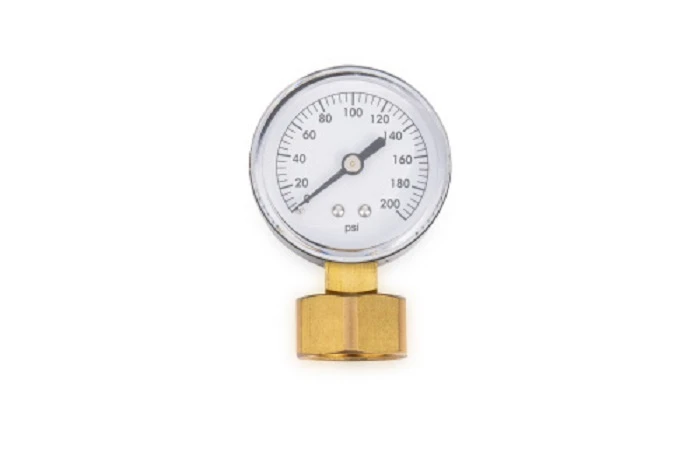

Vacuum measurement plays a critical role in modern industrial processes, scientific research, and advanced manufacturing. From ensuring product quality to maintaining system safety, accurate monitoring of sub-atmospheric pressure is essential. Vacuum Pressure Gauges are specialized instruments designed to measure pressures lower than ambient atmospheric pressure, enabling precise control and analysis in a wide range of environments. Their applications extend across industries such as manufacturing, healthcare, aerospace, energy, and laboratory research, making them indispensable tools in both routine operations and highly specialized systems.
Understanding where and how vacuum pressure gauges are used helps illustrate their importance and the technical sophistication behind their design.
Understanding the Function of Vacuum Pressure Gauges
Vacuum pressure gauges operate by detecting pressure differences between a system and a reference point, usually atmospheric pressure or absolute zero pressure depending on the gauge type.
Measuring Sub-Atmospheric Pressure Accurately
Unlike standard pressure gauges that measure positive pressure, vacuum pressure gauges are optimized to detect negative pressure values or very low absolute pressures. This capability allows operators to monitor system integrity, detect leaks, and ensure processes remain within precise operational limits.
The accuracy of vacuum measurement directly influences process efficiency, product quality, and safety. Even small deviations in vacuum levels can result in contamination, structural failure, or compromised performance in sensitive systems.
Role in Process Control and Safety
Vacuum pressure gauges provide real-time feedback that supports automated control systems. When pressure levels deviate from desired parameters, corrective actions can be triggered to protect equipment and maintain consistency. This function is especially critical in industries where vacuum stability is essential for material handling or chemical reactions.
Industrial Manufacturing Applications
Vacuum technology is deeply integrated into industrial manufacturing, making vacuum pressure gauges a standard component in production environments.
Vacuum Systems in Material Handling
Many manufacturing processes rely on vacuum systems for lifting, holding, or transporting materials. Vacuum pressure gauges ensure that sufficient suction is maintained to prevent product drops or misalignment. In automated assembly lines, stable vacuum levels are necessary to maintain speed and precision.
Pressure monitoring also helps identify wear or blockages in vacuum lines before they lead to system failure, reducing downtime and maintenance costs.
Vacuum Furnaces and Heat Treatment
Vacuum furnaces used in metallurgy and advanced materials processing require precise vacuum control to prevent oxidation and contamination. Vacuum pressure gauges monitor conditions inside the furnace, ensuring the environment remains suitable for high-temperature treatments.
Accurate pressure measurement supports uniform heating and material integrity, which are essential for producing high-quality components in aerospace, automotive, and tool manufacturing.
Critical Industrial Roles of Vacuum Pressure Gauges
Vacuum Pressure Gauges serve as the foundation for process reliability in vacuum-dependent industries. Their ability to provide accurate and continuous pressure readings allows engineers to maintain tight control over complex systems, ensuring efficiency, safety, and repeatability.
This highlighted role underscores why vacuum pressure measurement is not optional but essential in many industrial settings.
Applications in Scientific Research and Laboratories
Research environments demand high levels of precision, making vacuum pressure gauges indispensable.
Vacuum Chambers and Experimental Control
Scientific experiments often require controlled vacuum conditions to study material behavior, particle interactions, or chemical reactions. Vacuum pressure gauges provide the necessary feedback to maintain experimental consistency and validate results.
In physics and materials science laboratories, even slight pressure fluctuations can affect outcomes. Reliable vacuum measurement ensures experimental accuracy and reproducibility.
Analytical Instruments and Sample Preparation
Many analytical instruments, such as mass spectrometers and electron microscopes, rely on vacuum environments to function correctly. Vacuum pressure gauges monitor system conditions to protect sensitive components and ensure optimal performance.
Accurate vacuum levels reduce noise, improve resolution, and prevent contamination, directly impacting the quality of scientific data.
Medical and Healthcare Applications
Vacuum technology also plays a significant role in healthcare settings.
Medical Suction Systems
Hospitals use vacuum systems for surgical suction, wound drainage, and respiratory therapy. Vacuum pressure gauges help medical staff ensure appropriate suction levels, balancing effectiveness with patient safety.
Reliable vacuum monitoring prevents excessive suction that could cause tissue damage while ensuring sufficient pressure for effective fluid removal.
Sterilization and Pharmaceutical Production
Sterilization processes often rely on vacuum cycles to remove air and enhance the effectiveness of steam or gas sterilants. Vacuum pressure gauges monitor these cycles to confirm that proper conditions are achieved.
In pharmaceutical manufacturing, vacuum measurement supports drying, filtration, and packaging processes, ensuring product purity and compliance with regulatory standards.
Energy and Power Generation Applications
Vacuum pressure gauges are widely used in energy-related industries to maintain system efficiency and reliability.
Power Plant Condenser Systems
In thermal power plants, condensers operate under vacuum conditions to improve turbine efficiency. Vacuum pressure gauges monitor condenser vacuum levels, helping operators detect air leaks or cooling inefficiencies.
Maintaining optimal vacuum conditions directly influences power output and fuel efficiency, making accurate measurement essential for operational success.
Oil, Gas, and Petrochemical Processing
Vacuum distillation units are commonly used in petrochemical refining to separate heavy fractions at lower temperatures. Vacuum pressure gauges ensure stable operating conditions, preventing thermal degradation of products.
Accurate pressure monitoring supports safe operation and consistent product quality in complex processing environments.
Aerospace and Advanced Engineering Applications
High-performance industries demand precise vacuum control.
Space Simulation and Testing
Aerospace components are often tested in vacuum chambers that simulate space conditions. Vacuum pressure gauges provide the necessary measurement accuracy to replicate low-pressure environments encountered in orbit.
These tests ensure that materials, electronics, and mechanical systems can withstand extreme conditions without failure.
Advanced Manufacturing and Semiconductor Production
Semiconductor fabrication relies heavily on vacuum processes such as deposition and etching. Vacuum pressure gauges monitor critical steps where even minor pressure deviations can compromise micro-scale structures.
Consistent vacuum measurement is essential for achieving the precision required in modern electronics manufacturing.
Environmental and Industrial Monitoring
Vacuum pressure gauges also support environmental and monitoring applications.
Leak Detection and System Diagnostics
Vacuum systems are often tested for leaks using pressure decay methods. Vacuum pressure gauges track pressure changes over time, helping technicians identify leaks and verify system integrity.
This application is vital in industries handling hazardous or sensitive materials, where leaks could pose safety or environmental risks.
Packaging and Food Processing
Vacuum packaging extends shelf life by removing air and preventing oxidation. Vacuum pressure gauges ensure that packaging systems achieve the required vacuum levels for food safety and preservation.
Accurate pressure measurement helps maintain consistency across production batches and reduces waste.
Choosing the Right Vacuum Pressure Gauge for the Application
Different applications require different levels of sensitivity, range, and durability. Selecting the appropriate vacuum pressure gauge depends on factors such as pressure range, environmental conditions, and required accuracy.
Industrial environments may prioritize ruggedness and reliability, while laboratory settings often demand high precision and responsiveness. Understanding application requirements ensures optimal performance and longevity of the gauge.
Conclusion
Vacuum Pressure Gauges are essential instruments across a broad spectrum of industries, supporting everything from industrial manufacturing and scientific research to healthcare, energy production, and aerospace engineering. Their ability to accurately measure sub-atmospheric pressure enables precise process control, enhances safety, and ensures consistent quality in vacuum-dependent systems.
As technology continues to advance and processes become more demanding, the importance of reliable vacuum measurement only increases. By providing critical insights into system conditions, vacuum pressure gauges remain a cornerstone of modern engineering and industrial operation, enabling innovation while maintaining control and stability.



























Sign in to leave a comment.