Industrial heat pump dryers have rapidly grown in popularity across various sectors due to their energy‑efficient and environmentally responsible design. These advanced systems offer precise moisture removal and gentle, controlled drying ideal for sensitive products used in food processing, textiles, pharmaceuticals, and more. Yet despite their clear benefits, many misconceptions about industrial heat pump dryers persist in the marketplace, confusing decision‑makers and slowing adoption. In this article, we’ll explore the most common misunderstandings and clarify what’s fact versus fiction.
1. Misconception: Industrial Heat Pump Dryers Are Only for Small or Specific Applications
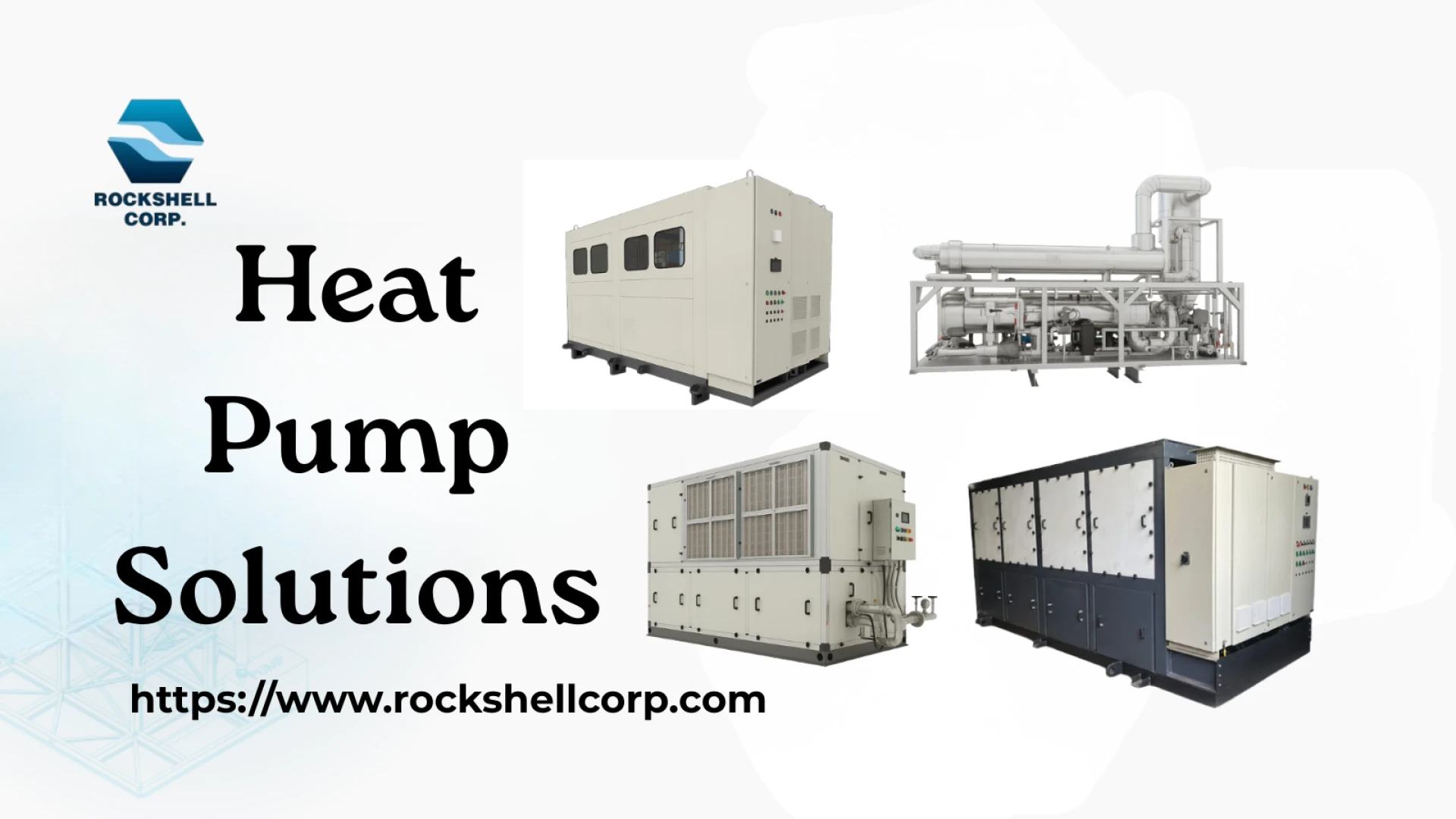
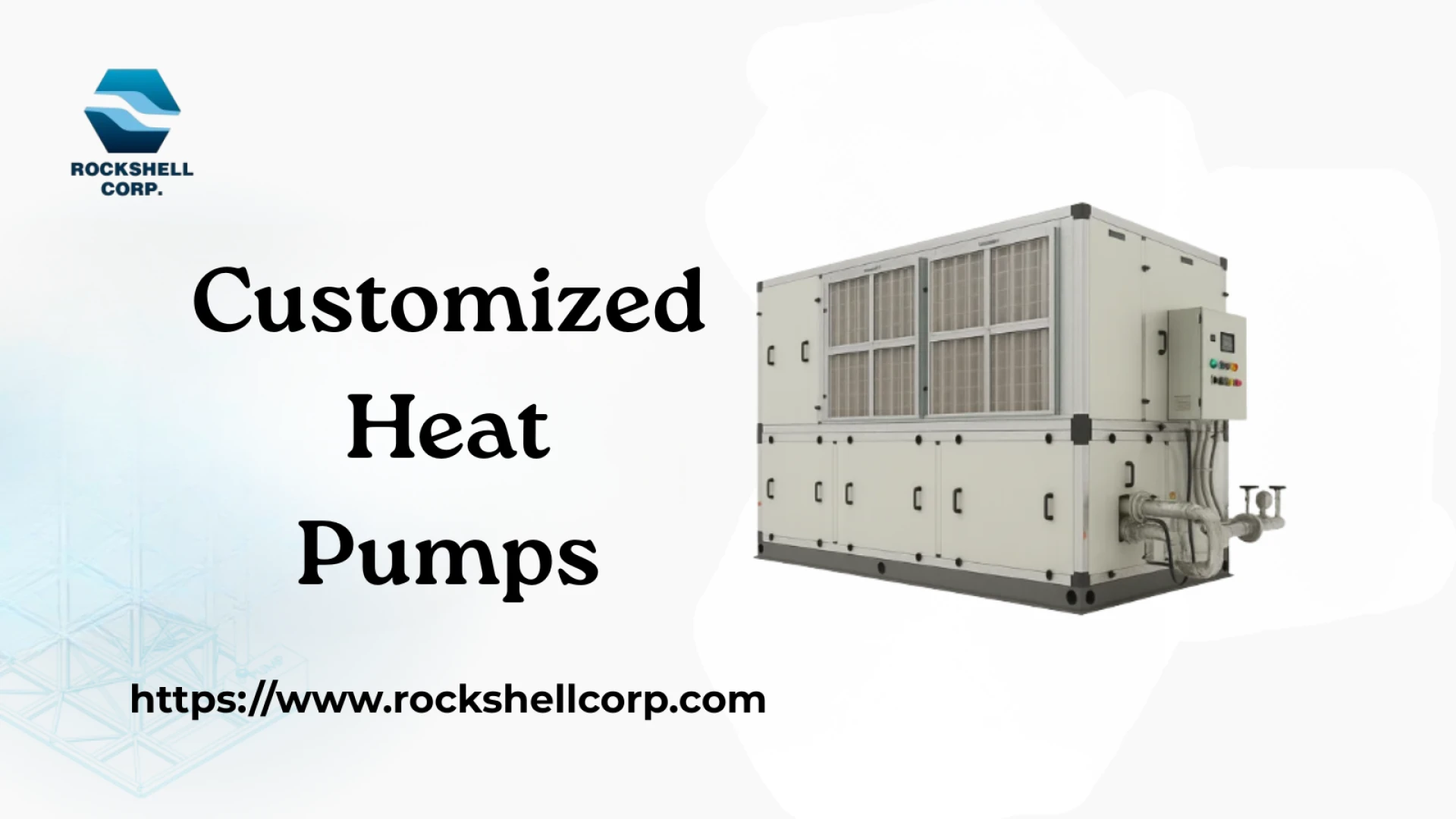
One prevalent myth is that industrial heat pump dryers are only suitable for niche applications or smaller operations. In reality, these systems are highly scalable. Manufacturers like Rockshellcorp Heat Pump Dryers design industrial heat pump dryers to handle a wide range of product types and throughput requirements from food and pharmaceuticals to sludge and spray drying. The technology can be adapted to both small‑scale and high‑capacity industrial environments without compromising performance.
2. Misconception: They Aren’t Efficient in All Climates or Conditions
Another common misunderstanding is that heat pump dryers perform poorly in certain climates or under specific conditions. This belief stems from older heat pump technologies that struggled in extreme environments. However, like modern heat pump systems, industrial variants have advanced controls and components that maintain drying efficiency over varied operational settings. They use closed‑loop heat recovery systems that recycle thermal energy and remain effective even in challenging production conditions. This makes them a dependable choice for continuous industrial drying cycles.
3. Misconception: High Operating Noise Levels
Some people assume heat pump dryers generate excessive noise, especially compared to traditional drying technologies. While older machines might have produced noticeable sound, modern industrial heat pump dryers are engineered with noise reduction in mind. Many contemporary systems operate more quietly thanks to updated compressors, insulated chambers, and vibration‑dampening designs. This means they can integrate smoothly into industrial facilities without creating disruptive levels of noise.
4. Misconception: High Installation and Operating Costs Without Payback
A frequent concern is that industrial heat pump dryers are too costly to install and won’t deliver a good return on investment. While initial equipment costs can be higher than some conventional dryers, this view overlooks the substantial long‑term savings. Because heat pump dryers can reduce energy consumption by up to 50–70% through heat recycling, they often provide attractive operational cost savings over time. With rising energy prices and sustainability targets, many companies find that reduced utility bills and carbon footprint make industrial heat pump dryers a sound financial choice in the long run.
5. Misconception: Heat Pump Dryers Are Complicated to Maintain
Maintenance worries often deter businesses from adopting new industrial technologies. While it’s true that any advanced system requires proper upkeep, industrial heat pump dryers are no more difficult to maintain than comparable equipment. Regular inspection of filters, refrigerant systems, and components helps ensure longevity and reliable performance. Manufacturers typically supply maintenance guidelines and support to help operators manage their equipment effectively.
6. Misconception: They Can’t Handle Heat‑Sensitive Products
Some stakeholders mistakenly believe that industrial heat pump dryers are unsuitable for heat‑sensitive materials, such as specialty food items or pharmaceuticals. This couldn’t be further from the truth. One of the strongest advantages of heat pump drying is the ability to operate at lower, precisely controlled temperatures. This gentle drying process helps preserve texture, color, nutrients, and quality making industrial heat pump dryers especially useful for delicate products that might be damaged by high heat.
7. Misconception: Short Lifespan and Frequent Breakdowns
Another myth claims that industrial heat pump dryers have a shorter lifespan and break down more often than traditional dryers. The reality is that high‑quality heat pump drying systems are built for durability. With proper installation and routine maintenance, many can operate reliably for 15 years or more, delivering consistent drying performance over time.


























Sign in to leave a comment.