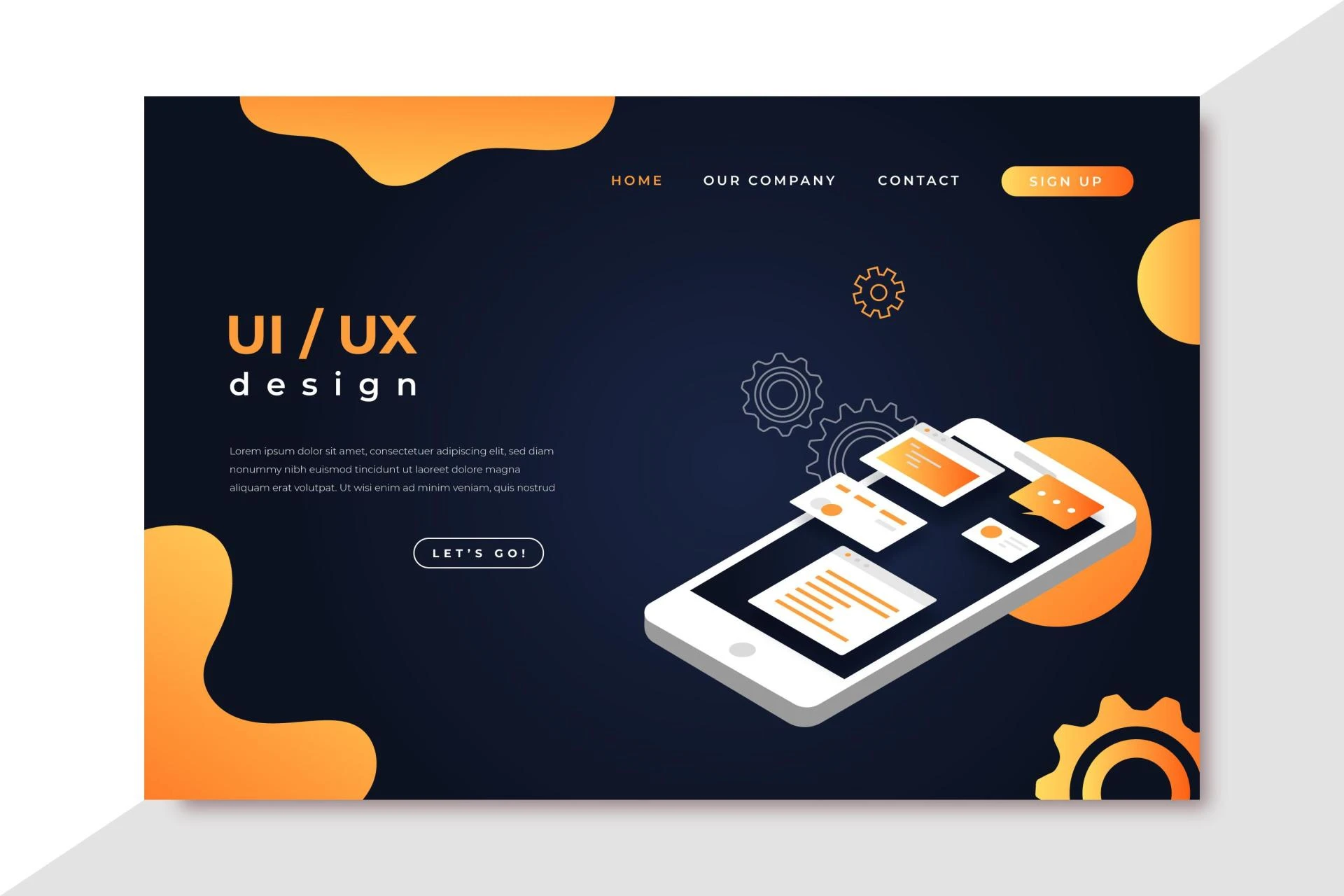

Product design is changing faster than ever. As technology rapidly evolves, user expectations rise, competition increases, and digital products become more intelligent, interactive, and personalized. By 2026, product design will not just be about a beautiful interfact it will be about creating smart, connected, ethical, frictionless experiences that truly solve real user problems.
For founders, staying ahead of these product design trends is no longer optional—it’s a competitive advantage. This blog will break down the key trends shaping product design in 2026 and help you understand what every founder needs to prepare for if they want to build impactful and successful digital products.
1. AI-Powered Product Design Becomes the New Standard
AI is no longer a trend—it is the core engine behind product design in 2026.
What this means:
- Product interfaces will adapt automatically to users.
- AI will improve features based on user interaction.
- Products will personalize onboarding, content, and suggestions.
- Predictive design will anticipate users’ next actions.
For founders:
AI offers a real opportunity to scale without extra human effort.
If your product isn’t leveraging AI for automation, insight, or personalization, it will fall behind.
2. Hyper-Personalized User Experiences
2026 products will deliver experiences tailored to each user’s behavior, goals, and preferences.
Examples:
- Personalized dashboards
- Tailored feature visibility
- Custom recommendations
- Dynamic UI states
Generic experiences will die.
For founders:
Personalization increases:
✔ Conversion rates
✔ Engagement
✔ Customer loyalty
✔ Overall satisfaction
To win in 2026, founders must build products that adapt to each individual user.
3. Multi-Device & Cross-Platform Ecosystems
Users now interact across multiple devices—mobile, web, smartwatch, TV, and even voice assistants.
In 2026, products must deliver a seamless experience across all of them.
What this looks like:
- Continue a task across devices
- Consistent UI design
- Unified workflows
- Real-time sync
For founders:
Products must be designed as ecosystems, not single platforms.
This increases user retention and long-term engagement.
4. Ethical & Trust-Centered Design
Users today care deeply about privacy, transparency, and trust.
In 2026, ethical UX is a must.
Key movements:
- No dark patterns
- Clear consent and data usage
- Inclusive design for everyone
- Accessibility-first interfaces
For founders:
Building trust through design will differentiate your product from competitors.
Founders who prioritize ethical design early will attract more loyal users.
5. Voice, Gesture & Zero-UI Experiences
With the rise of AI assistants, AR/VR, and hands-free interfaces, more apps will integrate:
- Voice commands
- Gesture interactions
- Zero-UI interfaces
- Context-aware actions
- Users want faster ways to complete tasks with minimal effort.
For founders:
You must understand how your product can reduce friction through natural interactions.
This trend will redefine how people use digital products.
6. System Thinking Will Shape Entire Product Lifecycles
Instead of designing screens, designers will design systems.
System thinking includes:
- Design systems
- Scalable UI components
- Reusable patterns
- Cross-team collaboration
- Multi-product ecosystems
For founders:
This makes your product scalable, consistent, and easier to evolve.
A strong system reduces design and development costs by up to 40%.
7. Emotion-Driven Design & Micro-Interactions
By 2026, product success will depend on how the product makes users feel.
Emotional design includes:
- Delightful animations
- Micro-engagement moments
- Friendly tone of voice
- Celebratory UI feedback
- Human-like UX copy
For founders:
Emotion builds brand loyalty—something competitors cannot copy.
It turns users into fans.
8. High-Speed, Performance-First UX
Speed is the biggest factor in user retention.
In 2026, products must be:
- Super fast
- Lightweight
- Lag-free
- Optimized for low-end devices
For founders:
If your product loads slow, crashes, or consumes too much battery, users will uninstall it instantly.
9. Data-Driven & Metrics-Based Design Decisions
Designers no longer rely on guesswork.
By 2026, product design is driven by:
- Heatmaps
- User analytics
- A/B tests
- Behavior flows
- Feature usage insights
For founders:
Data helps you build features users actually want, not what you assume they need.
This saves money, reduces development waste, and increases product success.
10. Collaborative Real-Time Design Workflows
Tools like Figma, FigJam, Miro, and Framer are already enabling real-time collaboration.
In 2026, collaboration will be:
- Faster
- More automated
- AI-assisted
- Cross-functional
For founders:
You must build teams that work like one synchronized unit—design, development, marketing, and product.
What Every Founder Needs to Know (Summary)
✔ 1. Build products that adapt to users, not the other way around
AI + personalization are now baseline expectations.
✔ 2. Design for ecosystems, not single screens
Your product must work across all devices and platforms.
✔ 3. Trust is currency
Ethical UX will make or break your brand.
✔ 4. Create products that feel human
Emotion and delight improve user satisfaction and retention.
✔ 5. Speed is non-negotiable
Performance optimization is essential for 2026 success.
✔ 6. Use data, not intuition
Data-driven design leads to better decisions and lower risk.
✔ 7. Invest in scalable design systems
They save money, time, and reduce future complexity.
✔ 8. Build a collaborative team structure
The future of product creation is real-time teamwork.
Conclusion
The future of product design in 2026 is dynamic, intelligent, and deeply user-centered. Digital products will be smarter, faster, more emotional, more ethical, and more personalized than ever before. For founders, this means embracing new technologies, building solid design foundations, and imagining the long-term impact of their product.
Companies that adapt to these trends early will win.
Those who continue building outdated, slow, or non-personalized products will be replaced quickly.
If you want your digital product to grow, thrive, and succeed in 2026, start improving your product design strategy today—because the future belongs to those who innovate before the world changes.






























Sign in to leave a comment.