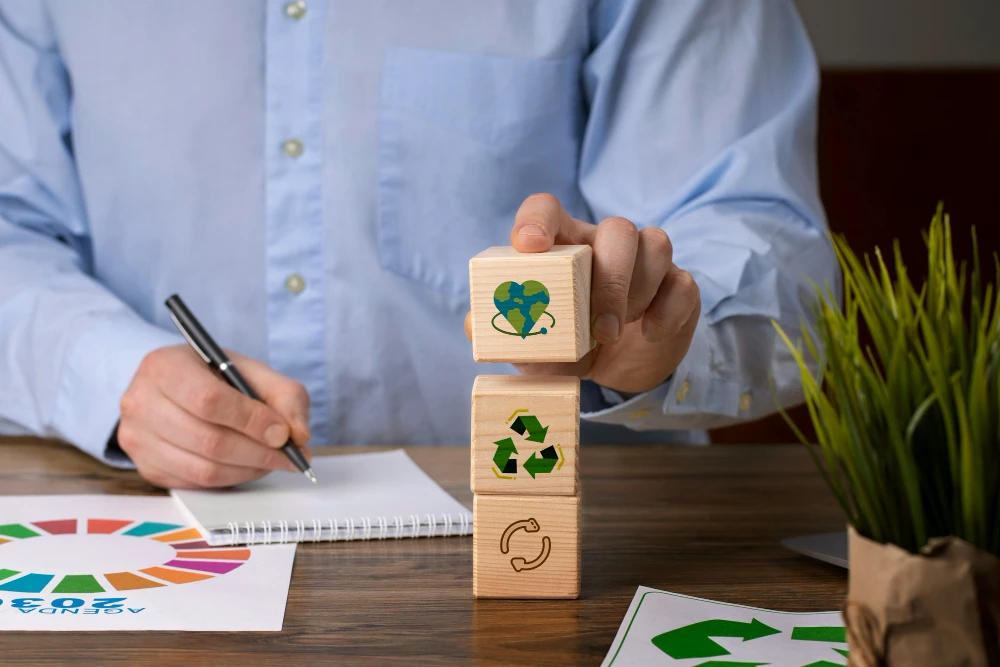

Sustainable waste management has become an imperative aspect of modern society as we grapple with the increasing challenges posed by escalating waste generation. The traditional approach of disposing of waste in landfills has proven to be unsustainable, prompting a shift towards more environmentally friendly practices. In this context, understanding the goals of sustainable waste management is crucial to fostering a cleaner, healthier planet for future generations.
Minimization of Environmental Impact
One of the primary goals of sustainable waste management is to minimize the environmental impact of waste disposal. Traditional methods, such as landfilling, contribute to soil and water pollution, greenhouse gas emissions, and habitat destruction. By adopting sustainable waste management practices, we aim to reduce these adverse effects and protect ecosystems.
Resource Conservation
Sustainable waste management seeks to maximize resource conservation. Rather than treating all waste as disposable, efforts are made to identify materials that can be recycled or reused. By implementing efficient recycling programs, we can conserve valuable resources, reduce the demand for raw materials, and decrease the overall environmental footprint.
Promotion of Circular Economy
The concept of a circular economy is integral to sustainable waste management. Instead of following a linear "take, make, dispose" model, a circular economy emphasizes the continuous use and reuse of resources. This approach involves designing products with recycling in mind and creating closed-loop systems that minimize waste generation.
Energy Recovery
Sustainable waste management also aims to harness the energy potential present in waste materials. Through technologies like waste-to-energy (WTE) conversion, non-recyclable waste can be used to generate electricity or heat. This not only reduces the volume of waste destined for landfills but also contributes to a more sustainable and diversified energy mix.
Product Removal and Destruction
In certain instances, product removal and destruction are essential components of sustainable waste management, particularly when dealing with hazardous materials or expired products that pose risks to human health and the environment. Responsible product destruction ensures the safe disposal of items, mitigating potential harm and contributing to the overall goals of sustainable waste management. By employing safe and eco-friendly methods, we can mitigate the negative impacts associated with product removal.
Community Engagement and Education
A key aspect of achieving waste management goals is fostering community engagement and education. By raising awareness about the importance of waste reduction, recycling, and responsible disposal, individuals can make informed choices that contribute to the overall success of waste management initiatives.
Government Policies and Regulations
Government policies and regulations play a crucial role in shaping the landscape of waste management. By implementing and enforcing laws that encourage responsible waste disposal practices, governments can create a framework for businesses and individuals to adhere to environmentally friendly standards.
Conclusion
The goals of sustainable waste management are multifaceted, aiming not only to address the immediate challenges of waste disposal but also to create a lasting, positive impact on the environment. From minimizing environmental impact and resource conservation to promoting a circular economy and harnessing energy from waste, these goals form a comprehensive strategy for a cleaner, more sustainable future. Additionally, the responsible removal and destruction of products contribute to a holistic approach, ensuring that even potentially harmful items are handled with care and consideration for the planet's well-being. As individuals, communities, and governments continue to prioritize sustainable waste management practices, we move closer to a world where waste is not just a problem but an opportunity for positive change.
























Sign in to leave a comment.