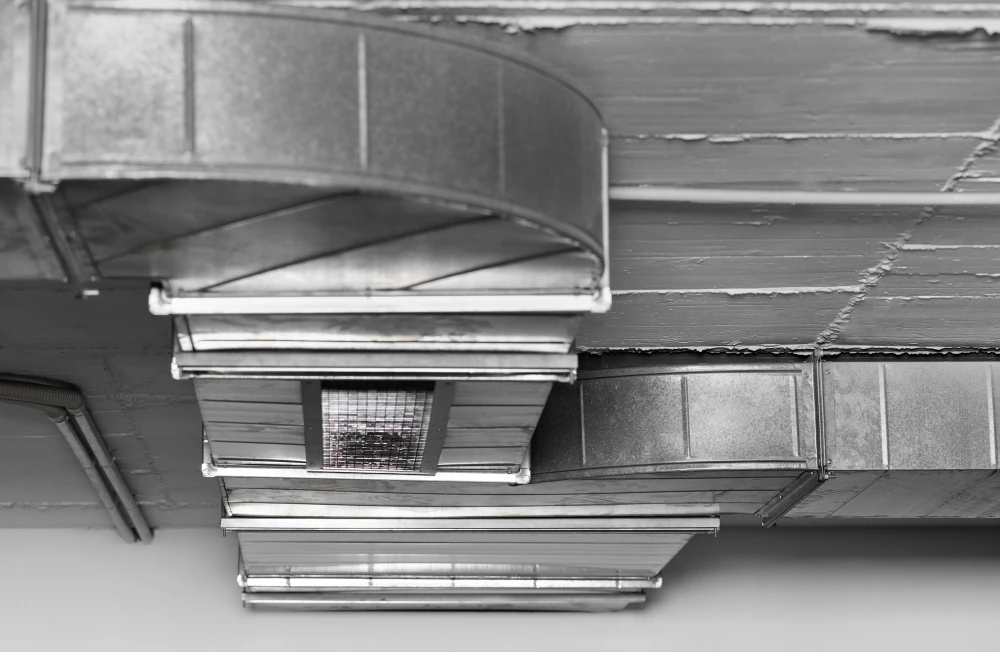

Smart building automation systems (SBAS) integrate advanced technologies to enhance efficiency, security, comfort, and sustainability in modern buildings. These systems use interconnected devices, artificial intelligence (AI), the Internet of Things (IoT), and data analytics to create intelligent ecosystems that optimize resource utilization, streamline operations, and improve occupant experience. Understanding the key components of a smart building automation system is crucial for maximizing its benefits. Below are the essential components that contribute to the success of such a system.
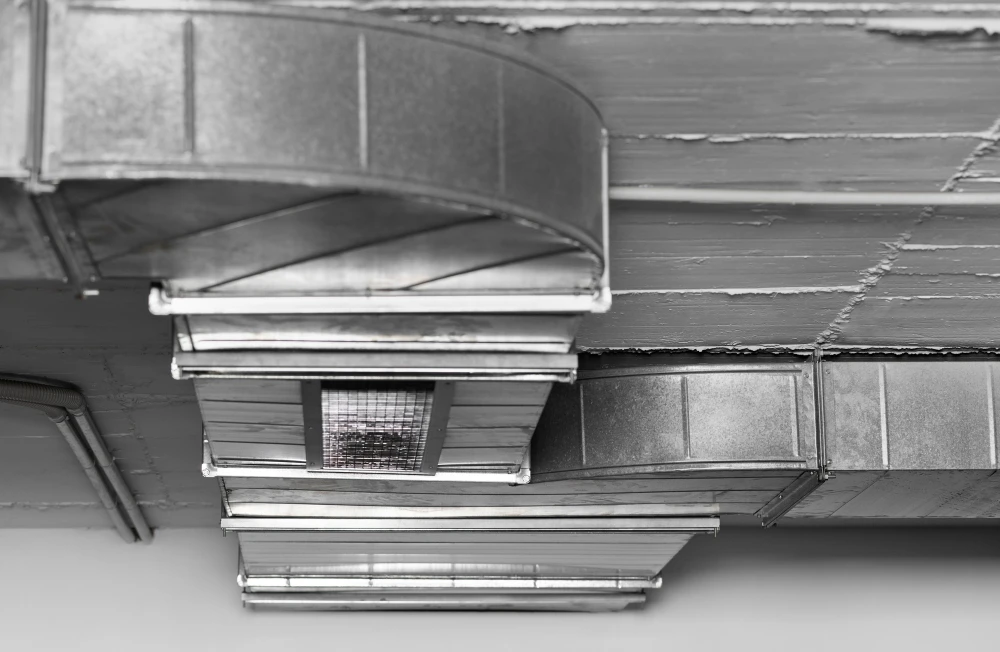
1. Centralized Building Management System (BMS)
A centralized Building Management System (BMS) serves as the core of a smart building automation system. It provides an integrated platform for monitoring and controlling various subsystems, such as lighting, HVAC, security, and energy management. The BMS collects data from sensors and IoT devices, processes the information, and makes intelligent decisions to optimize building operations.
2. Internet of Things (IoT) Devices and Sensors
IoT devices and sensors are fundamental components of smart building automation systems. These devices collect real-time data on environmental conditions, occupancy, energy consumption, and equipment performance. Common IoT sensors used in smart buildings include:
Temperature and humidity sensors
Motion detectors
Air quality monitors
Light sensors
Smart meters
These sensors communicate with the BMS, allowing real-time adjustments and automation of various building functions.
3. Artificial Intelligence (AI) and Machine Learning (ML)
AI and ML algorithms enhance smart building automation by analyzing data patterns and making predictive decisions. AI-driven automation can optimize energy consumption, improve predictive maintenance, and enhance security measures. For example, AI can adjust HVAC settings based on occupancy patterns, reducing energy waste and improving comfort.
4. Energy Management Systems (EMS)
Energy efficiency is a primary goal of smart building automation. An Energy Management System (EMS) monitors and optimizes energy consumption by integrating renewable energy sources, smart meters, and AI-driven analytics. EMS can:
Optimize HVAC operation
Automate lighting controls
Reduce peak energy demand
Provide insights for sustainability initiatives
5. Heating, Ventilation, and Air Conditioning (HVAC) Automation
Smart HVAC systems regulate indoor climate conditions based on occupancy levels and weather conditions. These systems use IoT-enabled sensors and AI algorithms to optimize heating and cooling operations, resulting in energy savings and enhanced comfort. Features of smart HVAC automation include:
Zoned temperature control
Demand-based ventilation
Automated air filtration systems
6. Smart Lighting Systems
Lighting automation is another critical aspect of smart building automation. Smart lighting systems use sensors and AI algorithms to adjust brightness levels based on natural light availability and occupancy. Features of smart lighting systems include:
Motion-activated lighting
Daylight harvesting technology
Energy-efficient LED integration
7. Security and Access Control Systems
Security is a crucial component of smart buildings. AI-powered surveillance cameras, biometric access control, and smart locks enhance security while minimizing human intervention. Key elements of security automation include:
Facial recognition and biometric authentication
AI-powered surveillance and intrusion detection
Smart card and mobile access control
8. Fire and Safety Automation
Fire and safety systems in smart buildings are designed to detect and respond to emergencies swiftly. Automated fire alarms, smoke detectors, and sprinkler systems are integrated with the BMS to provide real-time alerts and emergency protocols. Features include:
AI-driven fire risk prediction
Automated emergency response systems
Integration with building evacuation plans
9. Smart Water Management Systems
Water conservation is essential for sustainable smart buildings. Smart water management systems monitor water usage, detect leaks, and optimize irrigation systems. Features include:
Smart leak detection sensors
Automated irrigation controls
Water usage analytics
10. Remote Monitoring and Control
Cloud-based platforms and mobile applications enable remote monitoring and control of building automation systems. Facility managers can access real-time data, adjust settings, and receive alerts from anywhere. Benefits include:
24/7 remote access to building systems
Predictive maintenance alerts
Enhanced operational efficiency
11. Integration with Renewable Energy Sources
Modern smart buildings incorporate renewable energy sources such as solar panels and wind turbines. AI-powered energy management systems optimize energy consumption and distribution, ensuring maximum efficiency. Features include:
Solar energy storage optimization
Smart grid connectivity
Demand response management
12. Data Analytics and Reporting
Smart building automation systems generate vast amounts of data. Advanced analytics platforms process this data to provide actionable insights for facility managers. Benefits of data analytics include:
Predictive maintenance
Energy usage trends and optimization
Occupancy pattern analysis
Conclusion
Smart building automation systems revolutionize how buildings operate by integrating IoT, AI, and advanced analytics. Key components such as BMS, IoT sensors, AI-driven automation, energy management, HVAC control, and security systems work together to create an efficient, sustainable, and secure environment. As technology continues to advance, smart building automation will play an increasingly vital role in shaping the future of intelligent infrastructure.




























Sign in to leave a comment.