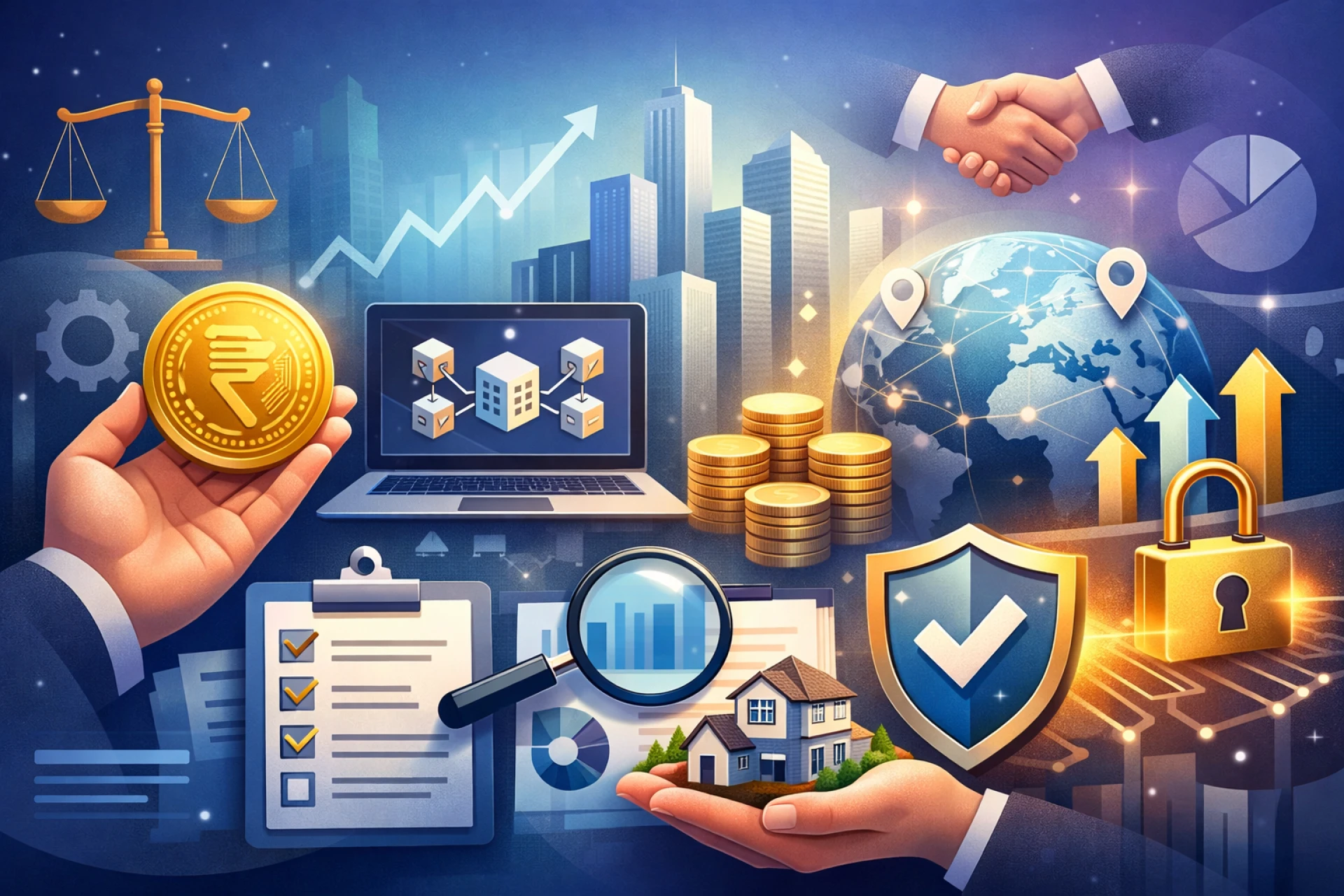

Real-World Asset (RWA) tokenization represents one of the most exciting innovations within the blockchain ecosystem, offering businesses a way to bridge traditional asset classes with the dynamic world of digital finance. Whether you're looking to tokenize real estate, commodities, intellectual property, or any other type of tangible asset, finding the right RWA tokenization company is crucial to ensuring the success of your project.
Tokenizing assets isn't just about creating digital tokens that represent ownership of physical goods; it requires a blend of technology, regulatory compliance, security, and industry-specific knowledge. The tokenization process involves significant financial, technical, and legal complexities. As such, choosing the right company for the task can have long-term implications for your asset's value, market reach, and liquidity.
The key factors to consider when selecting an RWA tokenization company for your assets. By the end of this post, you’ll be equipped with the knowledge needed to make an informed decision and partner with a company that aligns with your business goals and expectations.
1. Expertise and Industry Experience
The first and most crucial factor to evaluate when choosing a tokenization company is its expertise and industry experience. Tokenization is a highly specialized field that requires in-depth knowledge of both blockchain technology and the specific market you’re operating in. A company with significant expertise will be able to navigate the complexities of tokenization with ease, offering you a secure and efficient solution tailored to your specific needs.
Here’s what to look for in terms of expertise:
Track Record of Success: Look for a company with a proven track record in tokenizing a variety of asset types. Whether you're looking to tokenize real estate, commodities, or artwork, it's essential that the company has successfully completed similar projects in the past.
Domain-Specific Knowledge: Different asset classes come with unique regulatory, financial, and technical challenges. For instance, tokenizing real estate may require compliance with specific local regulations, while commodities might need unique tokenomics structures. Choose a company that has experience in your asset's specific domain to ensure a smoother tokenization process.
Team of Experts: A reliable tokenization company should have a team that includes blockchain developers, legal advisors, and financial experts. Blockchain developers are crucial for creating the underlying smart contracts and blockchain infrastructure, while legal advisors are needed to ensure regulatory compliance.
In the fast-evolving world of RWA tokenization, experience is invaluable. A company that understands the intricacies of asset tokenization will be better positioned to guide you through the process and avoid costly errors.
2. Technological Capabilities and Infrastructure
The technology behind RWA tokenization is crucial. Since blockchain is at the core of the tokenization process, the company you choose should have robust technological infrastructure to securely digitize and trade your assets. Tokenization platforms need to support features like smart contracts, decentralized ledgers, and digital wallets, all while maintaining scalability and low transaction costs.
Key technological factors to consider:
Blockchain Platform: The choice of blockchain can significantly affect the cost, scalability, and speed of your tokenization project. Popular blockchain platforms for tokenization include Ethereum, Solana, and Polkadot, each offering different trade-offs in terms of scalability, security, and costs. It's important to assess whether the tokenization company uses a public or private blockchain, or if they offer a customizable blockchain solution that fits your needs.
Smart Contract Capabilities: Smart contracts are crucial in automating transactions and enforcing the rules of token ownership and transfer. A well-coded smart contract ensures that your tokenization process runs smoothly without requiring intermediaries. Ensure that the company uses reliable, secure, and audited smart contract code.
Security Protocols: Security is paramount in tokenization. Blockchain technology offers intrinsic security features, but the company should also implement additional layers of protection such as multi-signature wallets, end-to-end encryption, and regular security audits.
Platform Scalability: Make sure the platform can handle the volume and complexity of your tokenization project. If you're tokenizing high-value assets like commercial real estate or intellectual property, you need a platform that can scale as your asset pool grows.
Tokenization involves handling sensitive financial transactions, so it's essential that the technology used by the tokenization company is robust and secure.
3. Regulatory Compliance and Legal Expertise
Navigating the legal and regulatory landscape is one of the most critical aspects of RWA tokenization. Depending on the type of asset being tokenized, the jurisdiction in which you operate, and the nature of the transaction, tokenization could be subject to various financial, tax, and securities regulations. A reputable tokenization company must have a deep understanding of these regulations and help ensure your asset remains compliant with applicable laws.
Factors to consider when evaluating regulatory compliance:
Legal Advisors with Blockchain Expertise: Blockchain technology intersects with many areas of law, including securities regulation, tax law, and intellectual property rights. A tokenization company should have experienced legal advisors who specialize in blockchain and digital assets. These advisors will ensure that the tokenized asset complies with both local and international laws.
Jurisdictional Compliance: Regulatory requirements vary greatly by country, and some jurisdictions have more favorable or flexible regulations around tokenization than others. For example, the regulatory framework in the U.S. is complex, especially for tokenized securities, while other countries like Switzerland or Singapore are more advanced in integrating blockchain regulation. Choose a tokenization company familiar with the regulations in your target market, whether domestic or international.
AML/KYC Procedures: Anti-money laundering (AML) and know your customer (KYC) regulations are essential in the blockchain space, particularly in the financial sector. A tokenization company should have robust processes for verifying the identity of token holders, ensuring that only compliant participants are involved in the tokenization process.
Transparency and Reporting: The company should provide clear documentation and transparency regarding the tokenization process. Regular audits, clear terms of service, and detailed reporting mechanisms are vital to ensure that everything is above board.
Ensuring compliance with relevant laws not only protects your business from potential legal liabilities but also increases investor confidence in your tokenized asset.
4. Customization and Flexibility of Solutions
Every asset is unique, and so should be the tokenization solution. A rigid, one-size-fits-all approach may not be suitable for your needs. Look for a company that can customize the tokenization process based on your specific asset, business goals, and target market.
Consider the following:
Tokenization Models: Whether you're tokenizing real estate, equity, or commodities, your tokenization model should reflect the characteristics of the underlying asset. Does the tokenization company offer flexible models that can be customized for your asset’s size, value, and use case?
Governance and Control: Tokenization often involves creating a governance model that gives token holders certain rights, such as voting or decision-making power. Ensure that the tokenization company provides flexible governance structures that fit your needs—whether it's a centralized or decentralized model.
Smart Contract Flexibility: Smart contracts should be adaptable to your requirements, whether you're implementing profit-sharing models, revenue splits, or voting mechanisms. Make sure the company is capable of tailoring smart contracts to your specific business logic.
Customization is key for tokenization projects, as assets come in various forms and sizes, each requiring a tailored approach to maximize their value.
5. Liquidity and Market Access
One of the primary benefits of tokenization is the liquidity it provides to traditionally illiquid assets, such as real estate or private equity. However, tokenization doesn’t automatically guarantee liquidity—this depends on the accessibility of your tokenized assets on secondary markets.
Key liquidity factors to consider:
Partnerships with Exchanges: A reputable tokenization company should have relationships with digital exchanges, both decentralized (DEX) and centralized (CEX). Access to these exchanges allows tokenized assets to be traded more easily, increasing liquidity.
Liquidity Pools: Some tokenization platforms offer liquidity pools that make it easier to trade tokenized assets. This feature ensures that there is always demand for your asset and reduces the risk of illiquidity.
Global Market Reach: The tokenization company should offer access to a broad network of institutional and retail investors, enabling your tokenized assets to attract a global audience.
Having strong liquidity options is essential for ensuring that your tokenized asset maintains its value and can be easily traded on the market.
6. Fees and Cost Structure
Understanding the cost of tokenization is essential, as fees can vary significantly depending on the complexity of the project. Some companies charge flat fees, while others take a percentage of the value of the tokenized asset or transaction fees.
What to consider when evaluating fees:
Upfront Fees: Ask about the upfront costs involved in tokenization, such as token creation, platform usage, legal services, and smart contract development.
Ongoing Fees: Some tokenization companies may charge maintenance fees for keeping the token active, updating smart contracts, or ensuring continued compliance. Make sure you understand all ongoing costs.
Cost Transparency: Ensure that the company provides transparent pricing with no hidden fees. The cost of tokenization should be clearly outlined, with all additional services and their costs specified in advance.
While cost is a crucial factor, it's important to remember that a higher price might be justified by superior technology, regulatory compliance, or market access.
7. Reputation and Client Testimonials
Finally, the reputation of the RWA tokenization company is a strong indicator of its reliability and trustworthiness. Choose a company that has positive client testimonials, case studies, or industry recognition to prove its credibility.
Things to look for:
References and Case Studies: Request references or case studies from clients who have undertaken similar tokenization projects. This helps you gauge the company's ability to deliver results in your specific asset class.
Industry Recognition: Check for certifications, awards, or recognition from reputable organizations in the blockchain, finance, or technology sectors.
Customer Support: Ensure the tokenization company offers robust customer support, whether it's during the tokenization process or for ongoing assistance. Good communication and support are essential for handling any challenges that arise.
Conclusion
Choosing the right RWA tokenization company is one of the most important decisions you'll make when bringing traditional assets into the digital world. The process is complex and requires careful consideration of factors like expertise, technology, compliance, customization, liquidity access, and cost structure.
By conducting thorough research and considering these key factors, you can find a tokenization partner who will not only meet your technical and legal requirements but also help maximize the value, liquidity, and market reach of your tokenized assets.
In the ever-evolving landscape of blockchain technology, the right partner can help you navigate the tokenization process smoothly, ensuring that your asset is digitalized securely and profitably in the new digital economy.
Sign in to leave a comment.