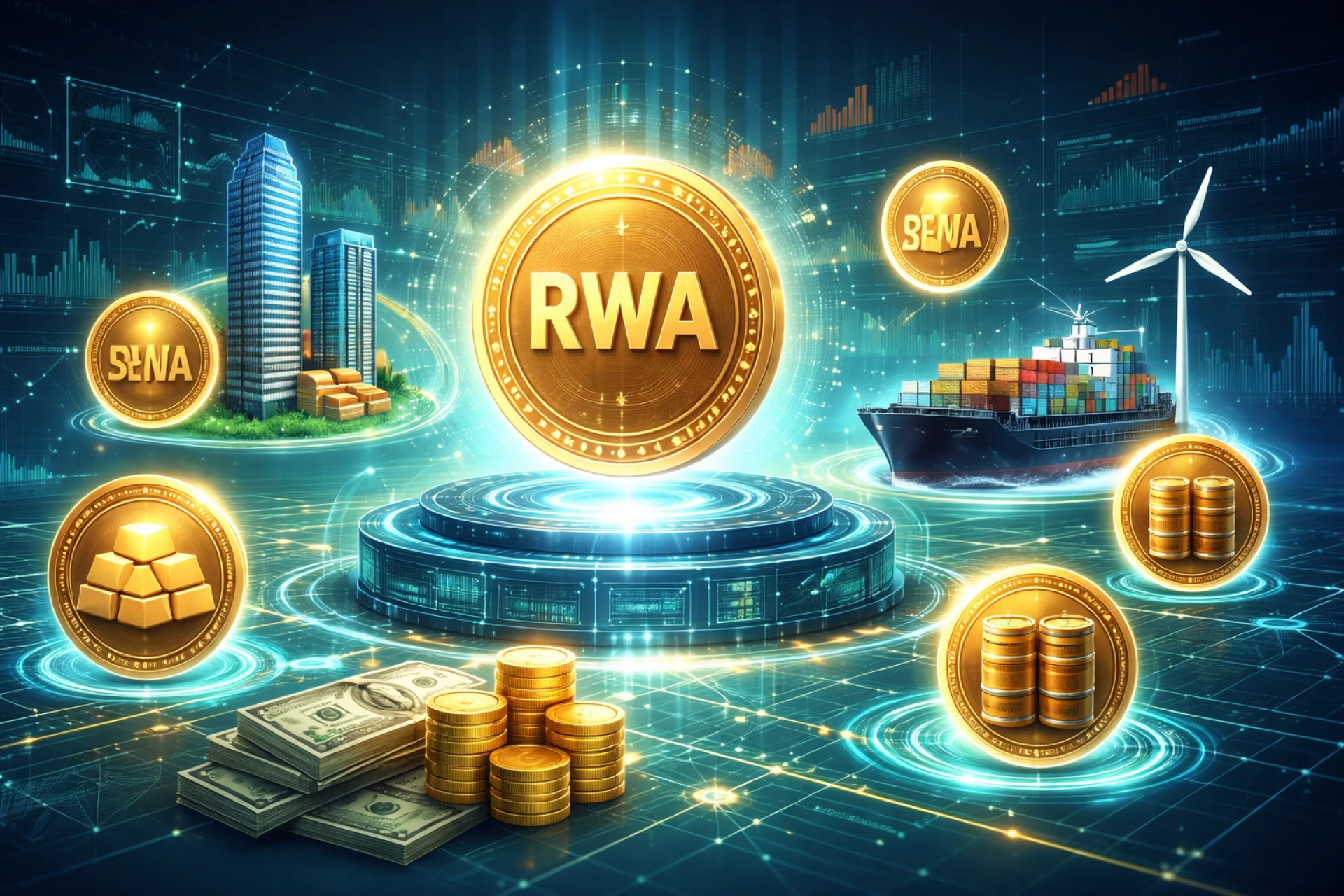

The digital asset economy has evolved rapidly, yet volatility remains one of its most persistent challenges. Many crypto-native tokens derive value primarily from speculation, market sentiment, or network effects, which often leads to sharp price fluctuations. Real-world asset (RWA) token development addresses this issue by anchoring digital tokens to tangible or legally enforceable assets such as real estate, private credit, commodities, infrastructure, or revenue-generating financial instruments. By linking on-chain tokens to off-chain value, RWA token development introduces stability, predictability, and intrinsic worth into the digital asset ecosystem.
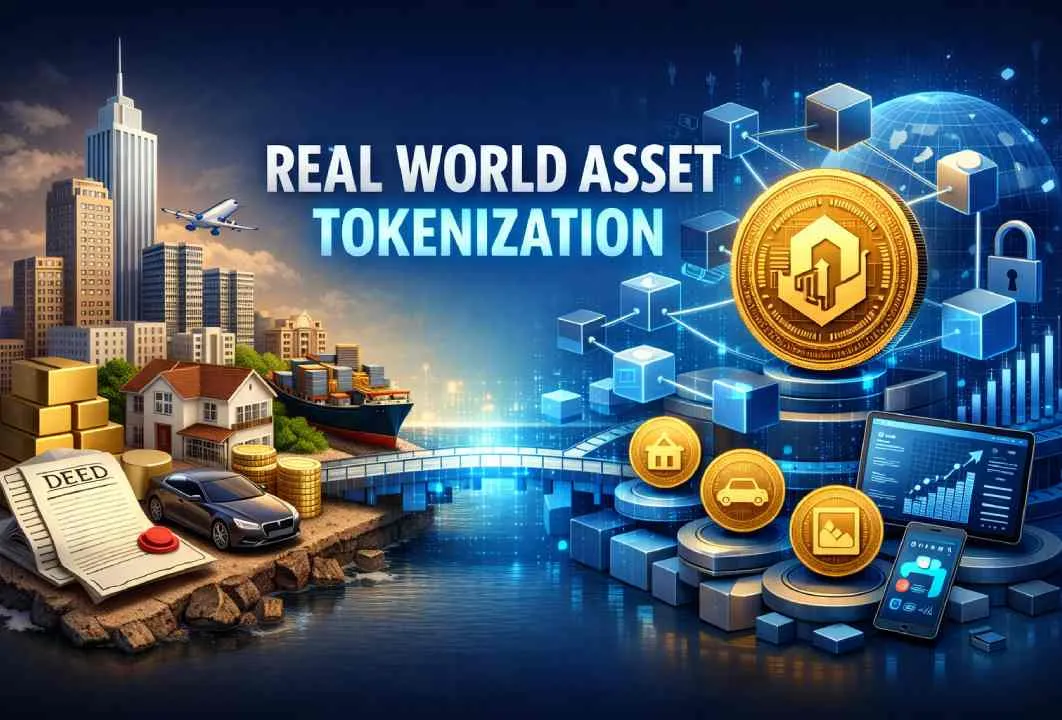
At its core, RWA token development is about translating real economic value into blockchain-based representations that can be owned, transferred, and utilized within decentralized systems. This process creates a new class of asset-backed digital value that combines the reliability of traditional assets with the efficiency and transparency of blockchain infrastructure.
Understanding Asset-Backed Digital Value in the RWA Context
Asset-backed digital value refers to tokens whose worth is directly supported by underlying real-world assets. Unlike purely algorithmic or utility-based tokens, RWA tokens derive their value from ownership rights, cash flow entitlements, or claims on physical or financial assets. These assets exist independently of the blockchain and maintain value through established economic mechanisms such as rental income, interest payments, commodity demand, or contractual revenue streams.
RWA token development ensures that each token represents a verifiable claim on the underlying asset. This linkage reduces reliance on speculation and aligns token valuation with measurable, real-world performance. As a result, asset-backed tokens tend to demonstrate lower volatility and higher resilience during market downturns.
The Role of Token Development in Creating Stability
Stability in RWA tokens does not occur automatically; it is the result of careful token development, legal structuring, and economic design. Token development defines how value is created, maintained, and distributed over time. Several foundational elements contribute to this stability.
First, the underlying asset itself must have predictable value characteristics. Income-generating assets such as rental properties, private loans, infrastructure projects, or commodity reserves offer relatively stable cash flows or demand-driven valuation. Tokenizing these assets transfers their stability characteristics into the digital domain.
Second, token development establishes clear ownership or entitlement logic. Tokens may represent equity ownership, debt exposure, revenue participation, or asset-backed claims. Clear definition of token rights ensures that market participants understand what supports the token’s value, reducing uncertainty and speculative behavior.
Third, token supply mechanics are carefully designed to reflect asset value. Unlike inflationary crypto tokens, RWA tokens are typically issued in direct proportion to the value of the underlying asset. This supply discipline prevents dilution and helps maintain price stability over time.
Asset Verification and On-Chain Representation
A critical component of RWA token development is asset verification. Before token issuance, the underlying asset must be independently valued, legally documented, and audited. This process establishes trust and ensures that digital tokens correspond to real economic value.
Once verified, the asset is represented on-chain through smart contracts. These contracts encode the relationship between the asset and the tokens, including ownership records, transfer rules, and income distribution logic. Blockchain immutability ensures that this information cannot be altered without consensus, reinforcing trust in the asset-backed nature of the token.
On-chain transparency allows investors and participants to verify asset backing in real time. Token holders can track supply, ownership changes, and performance data, reducing information asymmetry and enhancing price stability.
Fractionalization and Value Accessibility
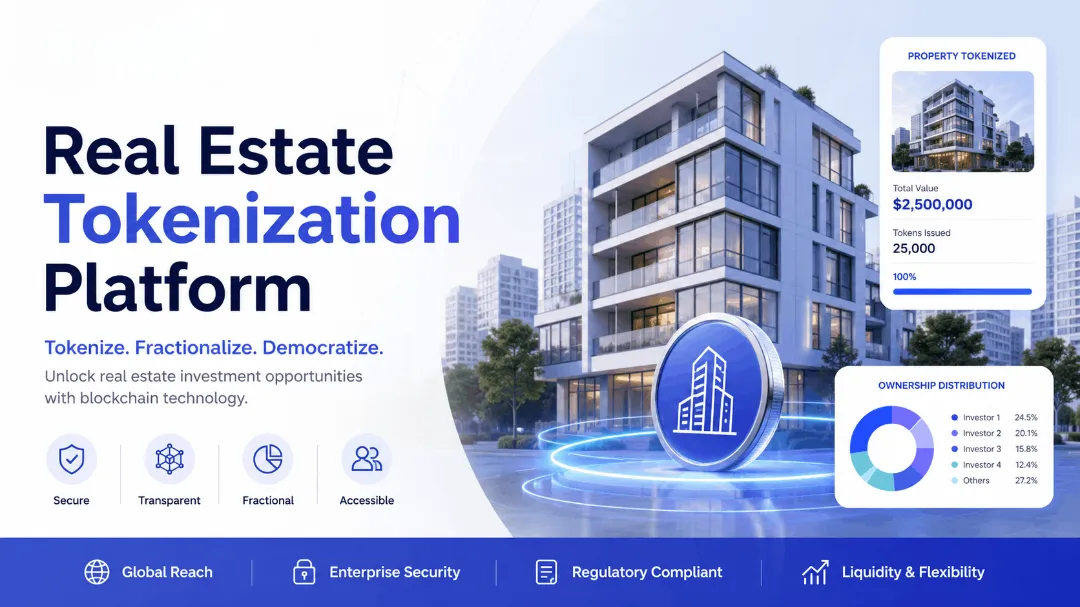
RWA token development enables fractionalization, which plays a key role in stabilizing digital value. High-value assets such as commercial real estate or infrastructure projects are traditionally accessible only to large investors. Tokenization divides these assets into smaller units, allowing broader participation.
This diversification of ownership distributes risk across a larger investor base. Instead of a single buyer determining asset liquidity and price, fractional tokens create a more balanced market. Increased participation improves liquidity while maintaining asset-backed stability, reducing sharp price swings caused by concentrated ownership.
Fractionalization also aligns token pricing more closely with asset fundamentals. Smaller investment units allow price discovery to reflect incremental changes in asset performance rather than speculative momentum.
Smart Contracts and Automated Value Enforcement
Smart contracts are central to maintaining stable asset-backed digital value. They automate key functions that traditionally rely on intermediaries, ensuring consistent enforcement of economic rules.
In RWA token development, smart contracts can manage:
- Revenue or income distribution to token holders
- Interest payments for tokenized debt
- Redemption or buyback mechanisms
- Governance rules tied to asset performance
Automation reduces operational risk and human error. It also ensures that token holders receive economic benefits in a predictable and transparent manner. This predictability strengthens confidence in the token’s value and reduces speculative uncertainty.
Additionally, smart contracts can enforce collateralization thresholds or asset coverage ratios. If asset values change, token mechanics can adjust automatically to preserve backing integrity, further stabilizing the digital asset.
Legal Structuring and Enforceable Claims
Stable asset-backed digital value depends heavily on legal enforceability. RWA token development integrates legal frameworks that connect on-chain tokens with off-chain rights. Without legal clarity, tokenized assets risk becoming symbolic rather than substantive.
To address this, token development often involves structured legal entities such as special purpose vehicles, trusts, or custodial arrangements. These entities hold the underlying asset and issue tokens representing claims or ownership interests. Token holders’ rights are defined within legal agreements that are enforceable under existing regulations.
This legal foundation ensures that tokens are not merely digital abstractions but legally recognized instruments tied to real assets. Enforceability enhances investor confidence and supports long-term value stability.
Cash Flow as a Stabilizing Force
One of the strongest stabilizers of asset-backed digital value is cash flow. Many RWAs generate recurring income through rent, interest, fees, or contractual payments. Token development channels these cash flows directly to token holders.
Regular income distribution anchors token value to real economic output. Even during broader market volatility, cash-flow-backed tokens retain intrinsic worth because they continue to generate returns. This income component reduces reliance on price appreciation alone, making the token’s value more durable.
Over time, consistent cash flows establish valuation benchmarks based on yield rather than speculation. This aligns digital asset pricing with traditional financial models, contributing to long-term stability.
Secondary Markets and Controlled Liquidity
Liquidity is often perceived as a source of volatility, but in the context of RWA token development, controlled liquidity can enhance stability. Tokenized assets can be traded on regulated secondary markets, allowing participants to enter or exit positions without disrupting the underlying asset.
Because tokens represent fractional interests rather than entire assets, secondary trading does not force asset liquidation. This separation between asset ownership and liquidity preserves value while still offering flexibility.
Token development frameworks may also include transfer restrictions or compliance controls to prevent excessive speculation. These mechanisms balance liquidity with stability, ensuring that token prices remain aligned with asset fundamentals.
Risk Mitigation Through Transparency and Governance
Transparency is a defining feature of blockchain-based RWA token development. Real-time access to asset data, transaction history, and performance metrics reduces uncertainty and information gaps. Transparent reporting discourages speculative behavior driven by misinformation or hype.
Governance mechanisms further enhance stability. Token holders may participate in decision-making related to asset management, reinvestment strategies, or risk controls. This shared governance aligns incentives between asset managers and token holders, supporting sustainable value creation.
By embedding governance into token design, RWA token development creates self-regulating ecosystems where digital value reflects collective oversight and real-world performance.
Institutional Adoption and Market Confidence
Institutional participation plays a significant role in stabilizing asset-backed digital value. RWA token development aligns closely with institutional requirements such as compliance, reporting standards, and risk management. As a result, tokenized assets are increasingly integrated into institutional portfolios.
Institutional capital tends to be long-term and yield-focused rather than speculative. Its presence stabilizes markets, increases liquidity depth, and supports consistent valuation models. This institutional involvement reinforces the credibility of RWA tokens and reduces volatility.
As adoption grows, standardized frameworks for RWA token development will further enhance market confidence and price stability.
Long-Term Value Preservation in Digital Finance
RWA token development represents a shift from speculative digital assets to value-preserving financial instruments. By grounding tokens in real-world assets, developers create digital value that reflects economic reality rather than abstract demand.
This approach supports long-term wealth preservation, predictable returns, and financial system integration. Asset-backed digital tokens can function as stores of value, income-generating instruments, or collateral within decentralized finance ecosystems.
Over time, these tokens may form the foundation of a more stable and resilient digital financial system that complements traditional markets rather than competing with them.
Conclusion
RWA token development creates stable, asset-backed digital value by linking blockchain tokens to tangible or legally enforceable real-world assets. Through careful asset selection, legal structuring, smart contract automation, and transparent governance, token development translates real economic value into the digital domain. Fractionalization, predictable cash flows, and regulated liquidity further reinforce stability, reducing reliance on speculation.
As blockchain infrastructure matures and regulatory clarity improves, asset-backed digital tokens are positioned to play a central role in the future of finance. By combining the trust of traditional assets with the efficiency of decentralized technology, RWA token development offers a sustainable pathway toward stable digital value in an increasingly tokenized global economy.





















Sign in to leave a comment.